


Three leading professionals share their paths to becoming Fellows of the ESC – and explore why just 21% of Fellows are women.
Dr. Birgit Vogel’s only regret about seeking to become a Fellow of the ESC (FESC) is waiting so long to apply. ‘I could have done it earlier,’ she recalls. ‘But when there are many other things to prioritise, furthering one’s own career is often at the bottom of the list.’
The challenge of finding time to pursue a personal goal while managing external demands often weighs more heavily on women, exacerbating gender disparities in the upper echelons of the cardiology profession. Along with deep-rooted societal factors, this contributes to the gap between the numbers of women and men in professional leadership positions.
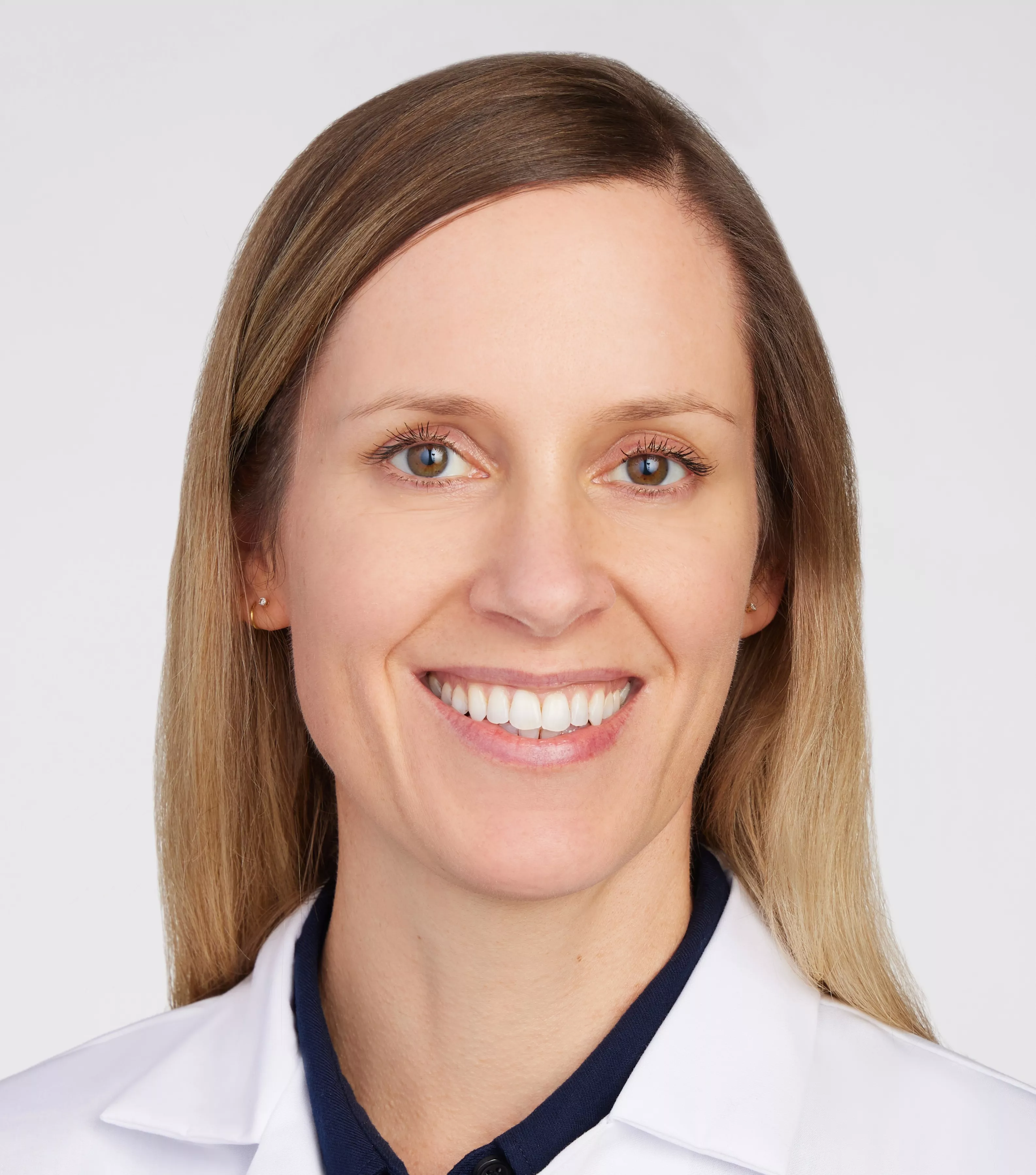
The ESC is actively working to address this imbalance. Alongside her clinical and research work, Dr. Vogel is a member of the Gender Task Force which aims to achieve a minimum of 40% of women in appointed and elected ESC roles. A key element of this policy is to publish data on gender representation through the ESC Gender Equity Report.
While at least 50% of medical graduates in the EU are women, only 5-25% of senior academic and clinical cardiology positions are held by women. Within the ESC, women currently have just one in three leadership roles – a figure the ESC finds unacceptable and is determined to address.
Among the most striking data in the report is the percentage of female Fellows of the ESC. Fellowships are a recognition of excellence in the field. However, the ESC’s Gender Equity Report shows that only 21% of FESCs are women. By supporting more women to apply to become FESCs, the Gender Task Force hopes to change that.
Visibility matters
Boosting the number of female role models in the upper ranks of the ESC would help emerging cardiologists see a pathway to the top of the profession. ‘The profession is diverse, but this is not represented at leadership levels,’ Dr. Vogel says. ‘Achieving greater representation among ESC Fellows is an important step for the profession, as well as for women in cardiology who should have recognition of their achievements.’
The ESC is actively driving gender diversity on task forces and within professional communities.
‘However, even on task forces where there are many accomplished women, I often speak with female colleagues who have yet to apply for their Fellowship,’ she adds. ‘Like me, they don’t prioritise their own development. And some may overestimate the complexity of the application process – which I found to be quite straightforward.’
Ensuring greater gender equity in the profession is also better for patients. The public increasingly expects their healthcare experts to reflect the communities they serve, while the EU Safe Hearts Plan highlights ‘persistent gender disparities in cardiovascular care’. Dr. Vogel, who is also a member of The Lancet Women and Cardiovascular Disease Commission and first author of the Commission’s report, highlights gaps in research, prevention, treatment, and access to care for women. ‘Many cardiologists are working in this area, but the drive to address knowledge gaps in women’s health is stronger when research leaders are female,’ she says.
A successful application offers globally recognised validation, along with the prestigious FESC title and participation in an international network of innovators and leaders. ‘I would really encourage everyone to apply,’ says Dr. Vogel who is based in the United States. ‘Start now by requesting recommendation letters or putting together your publication list. It’s easier than you may think.’
Three pathways to Fellowship
The FESC is open to all professionals who make significant contributions to cardiovascular medicine, including researchers, physicians, nurses, and allied health professionals. Candidates may apply through one of three pathways: Scientific Excellence, Clinical Excellence, or Nursing and Allied Profession Excellence – all of which confer the same Fellowship designation. While each pathway has distinct eligibility criteria and documentation requirements, applicants are generally expected to submit evidence of academic qualifications, a curriculum vitae, and letters of recommendation.
Despite the inclusive nature of the programme, some nurses and allied health professionals continue to perceive FESC as primarily intended for cardiologists. This perception contributes to the underrepresentation of these groups within the Fellowship community.

Prof. Izabella Uchmanowicz, ESC Board Member and Immediate Past President of the Association of Cardiovascular Nursing & Allied Professions (ACNAP), acknowledges that this perception remains widespread. ‘Many nurses still see Fellowship as something designed for physicians rather than for the wider cardiovascular community,’ she says. ‘As a result, highly qualified professionals may not even consider applying, despite having strong academic and clinical credentials.’
Reflecting on her own journey, Prof. Uchmanowicz recalls that she was initially reluctant to apply through the Nursing and Allied Profession Excellence pathway, despite a long-standing record of achievement in cardiovascular research, scientific publishing, and leadership within the ESC.
‘The challenge is rarely a lack of qualifications,’ she explains. ‘More often, it is a question of confidence. Many women and nurses feel they must exceed every requirement before putting themselves forward, even when they are already well prepared. We think we should be 110% ready before applying.’
Encouragement from colleagues within the cardiology community, including members of the Polish Cardiac Society, ultimately convinced her to pursue Fellowship. Looking back, she considers the experience professionally transformative.
‘Becoming a Fellow was an important moment in my career,’ she says. ‘It provided recognition not only of my individual achievements but also of the contribution that nurses and allied health professionals make to cardiovascular care, research, and education.’
According to Prof. Uchmanowicz, the greatest obstacle for many potential candidates is not the application process itself but overcoming the belief that Fellowship is beyond their reach.
‘That is why mentorship is so important,’ she says. ‘Sometimes talented professionals simply need someone to encourage them to recognise their own achievements and take the next step.’
Today, Prof. Uchmanowicz mentors women in Poland as well as nurses and cardiologists in Ukraine, Serbia, and Saudi Arabia. Through research collaboration, publication support, and career guidance, she actively encourages eligible candidates to pursue Fellowship.
‘There is a clear and accessible pathway for nurses and allied health professionals,’ she notes. ‘Our responsibility is to ensure that more people are aware of these opportunities and feel confident enough to apply.’
‘If you can’t see it, you can’t be it’
Strong mentors and role models are essential for addressing the gender representation gap, according to Prof. Mamotabo Rossy Matshela. As a South African cardiologist, she is actively supporting the upcoming generation of women working in the profession in Africa.
‘As a woman working in a low resource setting, there are additional pressures in trying to balance your clinical work with academic and leadership roles, along with personal commitments,’ Prof. Matshela says. ‘Strong support, particularly mentorship, is essential.’

‘As a woman, even if you’re qualified to be in global leadership positions, you don’t have the same sense of belonging in those spaces,’ she says. ‘It can be very intimidating. Even now, despite being a Fellow since 2017, I can feel less confident in certain contexts.’
Like Dr. Vogel and Prof. Uchmanowicz, Prof. Matshela says she hesitated to apply to become an FESC. ‘We need strong support and structures to help young women navigate the system. For example, it took time for me to identify the right person to write a reference for me. It’s not easy to ask an older male for their support.’
That’s why she is playing her part by offering advice to others. ‘My message to women is that we need you,’ she says. ‘So find your voice, find a mentor, and go after your dreams. Don’t underestimate your potential or your credentials – apply to become a FESC.’
FESC applications are open from 1 April to 30 September each year. Apply here.