


Every 2 minutes and 12 seconds, someone in Europe dies suddenly. Over the past decade, sudden death has accounted for nearly 5% of all deaths, with mortality rising by around 31%, particularly among women and in parts of Southern and Eastern Europe. These are not inevitable losses; many could be prevented with the right approach.
Sudden cardiac death (SCD) and sudden cardiac arrest (SCA) are two sides of the same problem and must be tackled together. Yet across Europe, outcomes still depend too heavily on where people live. Access to prevention, specialist care, and emergency response varies widely, leading to avoidable inequalities in survival.
Crucially, recognising risk is not enough. Every red flag must trigger a clear pathway to diagnosis, care and long-term management. And when inherited conditions are identified, families must be included - because prevention extends beyond the individual.
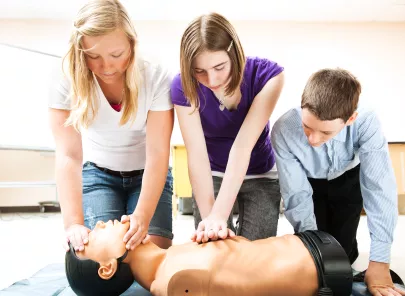
Preparedness is equally essential. Survival from cardiac arrest depends on rapid action, meaning that trained citizens, accessible defibrillators and coordinated emergency systems can make the difference between life and death. Prevention and response are not separate challenges, but part of the same life-saving continuum.
Europe has a key role to play in bringing this together. While healthcare remains a national competence, EU action can help scale best practices, align indicators, and support coordination across countries. The upcoming Council Recommendation on personalised care and treatment as part of the EU Safe Hearts Plan provides a timely opportunity to turn this into concrete action.
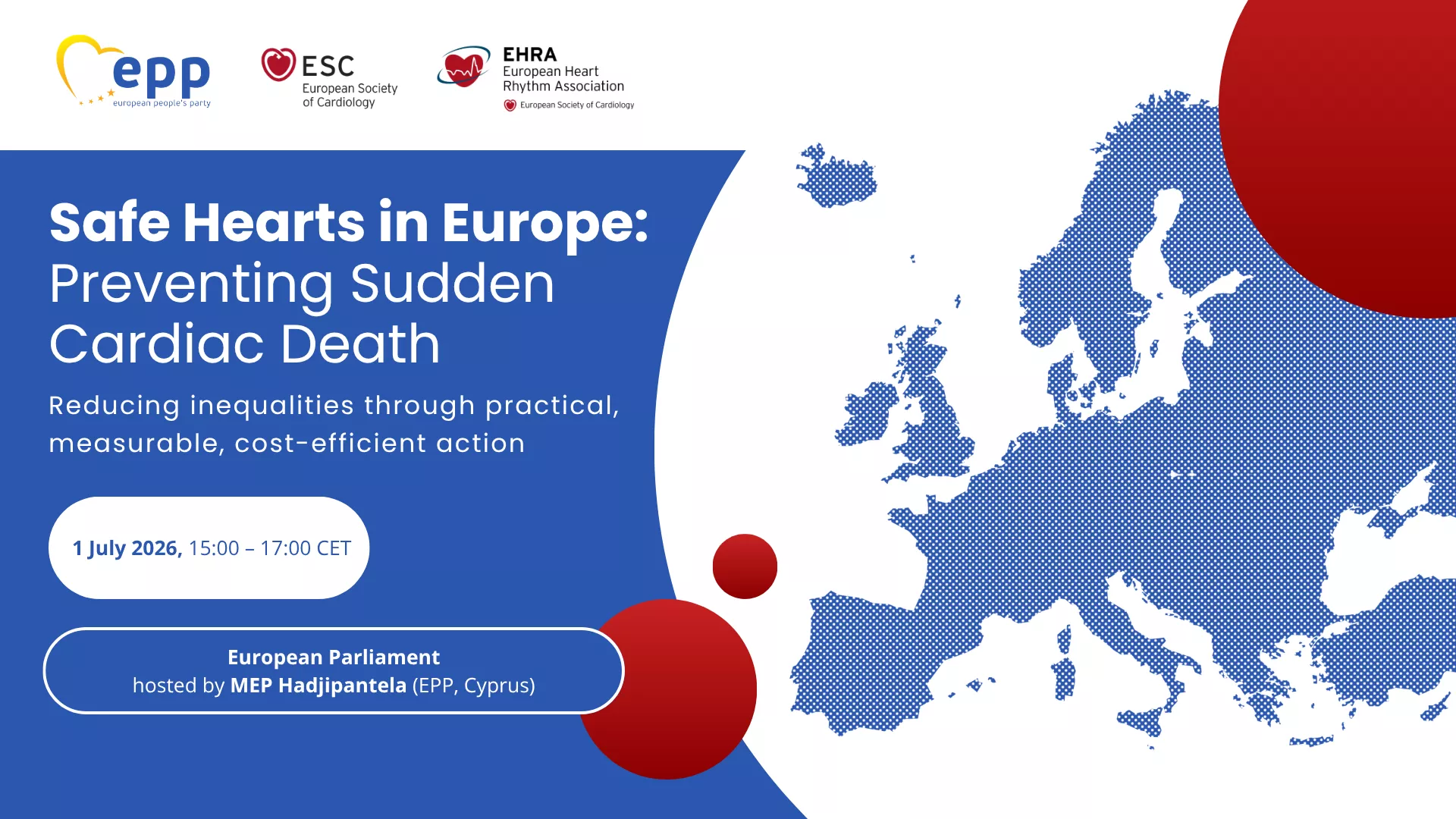
ESC, together with the European Heart Rhythm Association (EHRA), is organising this discussion under the leadership of MEP Michalis Hadjipantela (EPP Cyprus), bringing together key stakeholders to explore how these solutions can be scaled across Europe.
Regist your interest to attend the event by filling in this form. Stay tuned for further updates and the event agenda.