


Latvia provides a compelling example of how the ambitions of the EU Safe Hearts Plan can be translated into concrete national action. Cardiologists in the country have played a central role in shaping a new Cardiovascular Health Plan, which will run until 2027 and aims to strengthen prevention, improve care pathways, and address persistent health inequalities.
While an earlier iteration of a cardiovascular plan was drafted a decade ago but not fully implemented, the current initiative reflects a renewed commitment and a more coordinated approach. The Latvian Society of Cardiology is working closely with policymakers, healthcare professionals and other stakeholders to roll out key components of the Plan, while already preparing for its next phase.
A comprehensive and collaborative approach
The Plan is structured around three main priorities:
- Strengthening disease prevention and health promotion, including public awareness campaigns
- Expanding clinical prevention programmes, notably through SCORE2 risk assessment in primary care and enhanced specialist cardiology services with one-year follow-up after acute events
- Improving healthcare professionals’ knowledge and skills in cardiovascular health
Close collaboration with the Ministry of Health has been a defining feature of the initiative.

This broad coalition has helped ensure both scientific credibility and practical feasibility, with engagement extending beyond the clinical community to include public health actors and funding bodies.
Measuring progress and addressing inequalities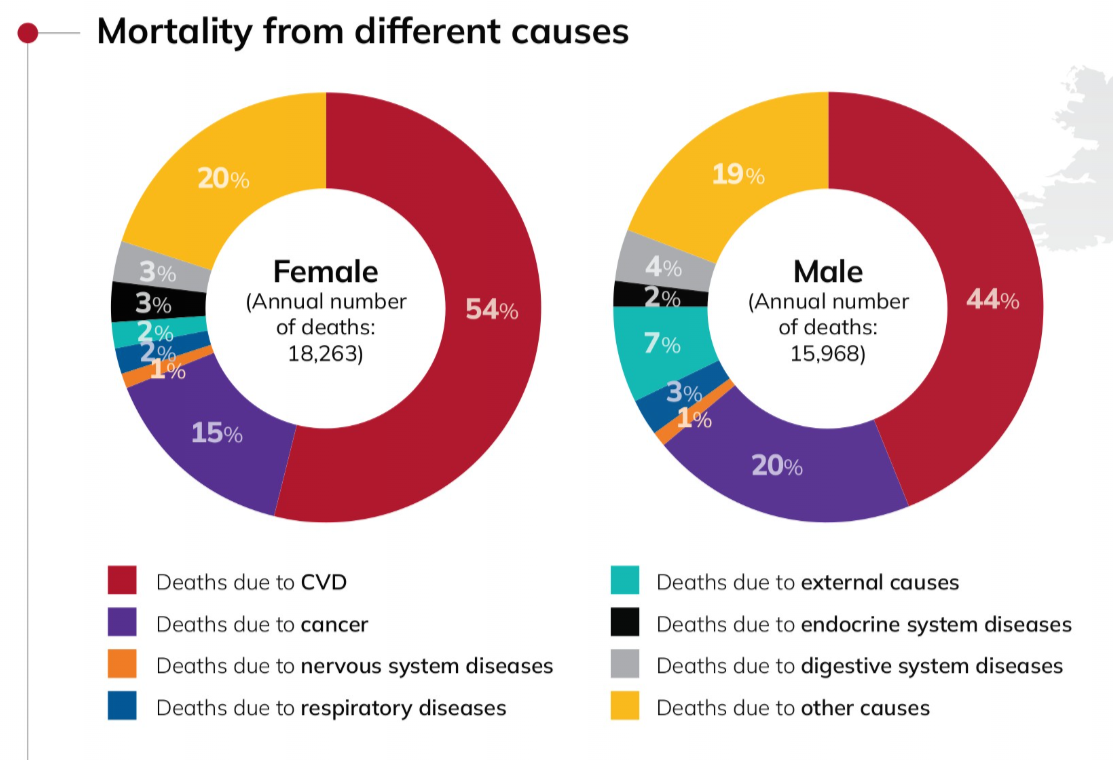
At the same time, improving data quality has been identified as a key priority. “We need clean data,” Prof. Erglis notes. “It’s important to understand what we are counting so that we can track progress.” Strengthening cardiovascular registries is therefore seen as essential to monitoring outcomes and informing future policy decisions.
Targeting at-risk populations
A particular focus of the Plan is reducing excess mortality among working-age men, who face a higher prevalence of risk factors and experience a marked decline in survival after the age of 50. Latvia’s Minister for Health, Hosam Abu Meri, has emphasised the importance of timely diagnosis and targeted preventive measures for this group.
To support this, a free heart health examination will be offered to individuals aged 40-65, creating opportunities for early detection and intervention. For patients who have already experienced an acute cardiovascular event, the Plan offers one year of structured follow-up, including regular assessments, specialist consultations and personalised care plans aimed at improving continuity of care and reducing the risk of recurrence.
An opportunity for system transformation
Beyond specific measures, the Plan reflects a broader ambition to transform cardiovascular care delivery in Latvia. “We want to transform our services and improve prevention, in line with the EU Cardiovascular Health Plan,” says Prof. Erglis. “This requires a team approach, involving not only cardiologists, but also other medical specialties and experts in social sciences and data.”
By aligning national priorities with the EU Safe Hearts framework - built around prevention, early detection and equitable access to care - Latvia is positioning itself at the forefront of efforts to reduce the burden of cardiovascular disease. Its experience highlights how coordinated, multidisciplinary action can translate policy ambition into measurable progress on the ground.