


On 1 July 2026, the European Society of Cardiology (ESC), with the support of the European Heart Rhythm Association (EHRA), brought together policymakers, clinicians and patient advocates at the European Parliament to discuss how Europe can better prevent sudden cardiac death and improve survival from cardiac arrest.
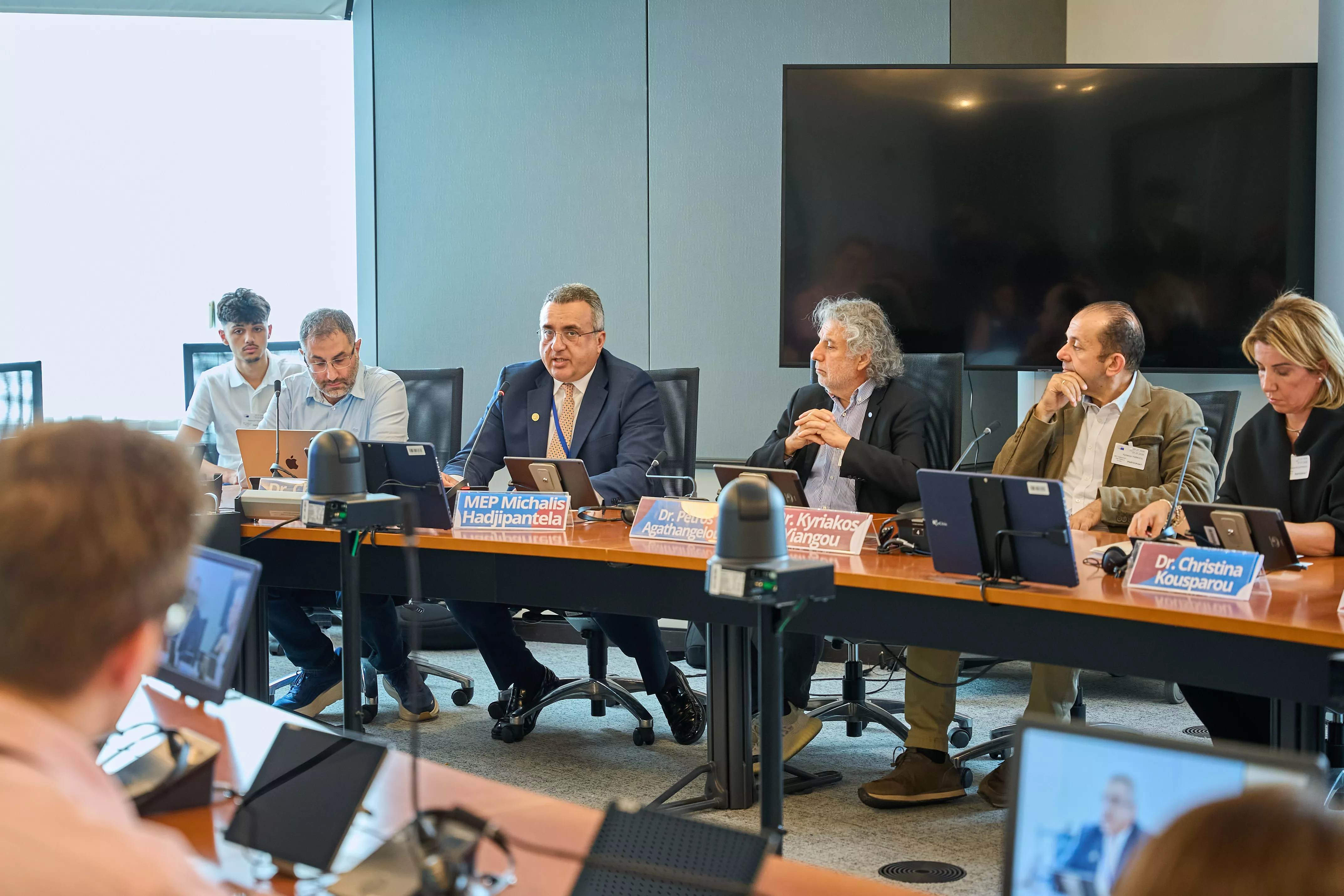
Speakers stressed that these disparities are not inevitable and that effective solutions already exist. Discussions centred on the need for a coordinated European approach built around two complementary priorities: preventing sudden cardiac death before it occurs and ensuring communities are prepared to respond effectively when cardiac arrest happens.
To prevent sudden cardiac death, participants emphasised the importance of identifying people and families at risk through early recognition of warning signs, timely referral to specialist care and access to family screening programmes. To improve survival from cardiac arrest, speakers highlighted the need for widespread CPR training, greater availability of automated external defibrillators (AEDs) and stronger systems for measuring outcomes and monitoring progress.
Prof. Elena Arbelo, Chair of EHRA’s Advocacy, Quality Improvement and Health Economics Committee, called for a collaborative European response to address inequalities in cardiovascular health, highlighting family screening as an important opportunity for prevention.
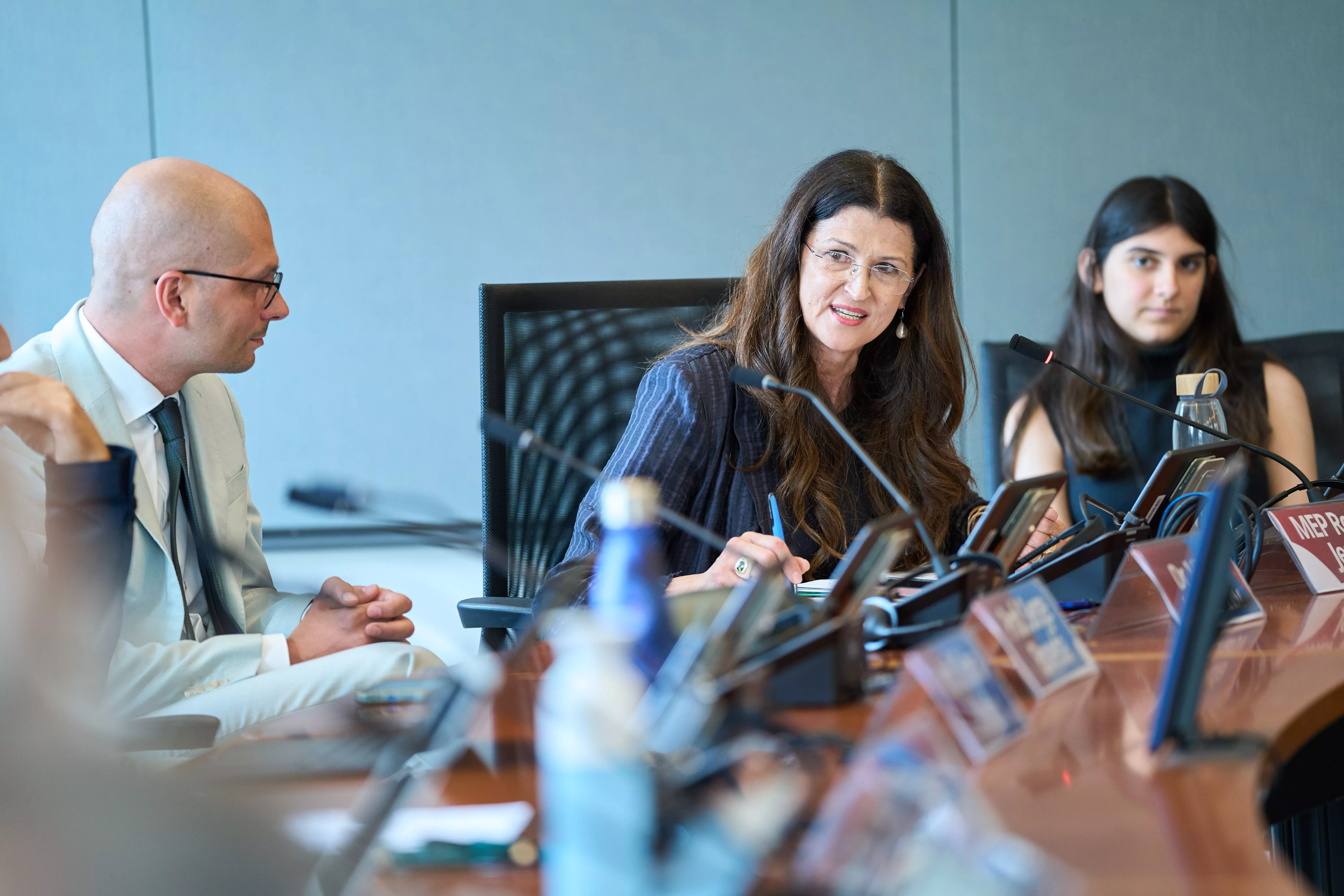
Examples from Cyprus demonstrated how coordinated action at national level can contribute to better outcomes. Dr Kyriakos Yiangou, President of the Cyprus Society of Cardiology, and Dr Christos Eftychiou, Director of the Cardiology Department at Nicosia General Hospital, presented progress made through efforts combining screening programmes, community readiness for cardiac arrest and clinical coordination. Dr Christina Kousparou, Associate Professor of Immunology at European University Cyprus, outlined how Cyprus could serve as a pilot country for registries and integrated data collection initiatives.
The patient perspective was brought to the forefront by Françoise Steinbach from the ESC Patient Forum, who shared her experience as a survivor of sudden cardiac arrest. Her intervention highlighted the importance of raising awareness and strengthening prevention efforts in schools, workplaces and communities.
Dr Petros Agathangelou, President of the Cyprus Medical Association, raised the question of how sudden cardiac death prevention can be translated into action at national level, calling for broader societal engagement to improve awareness, health literacy and prevention.
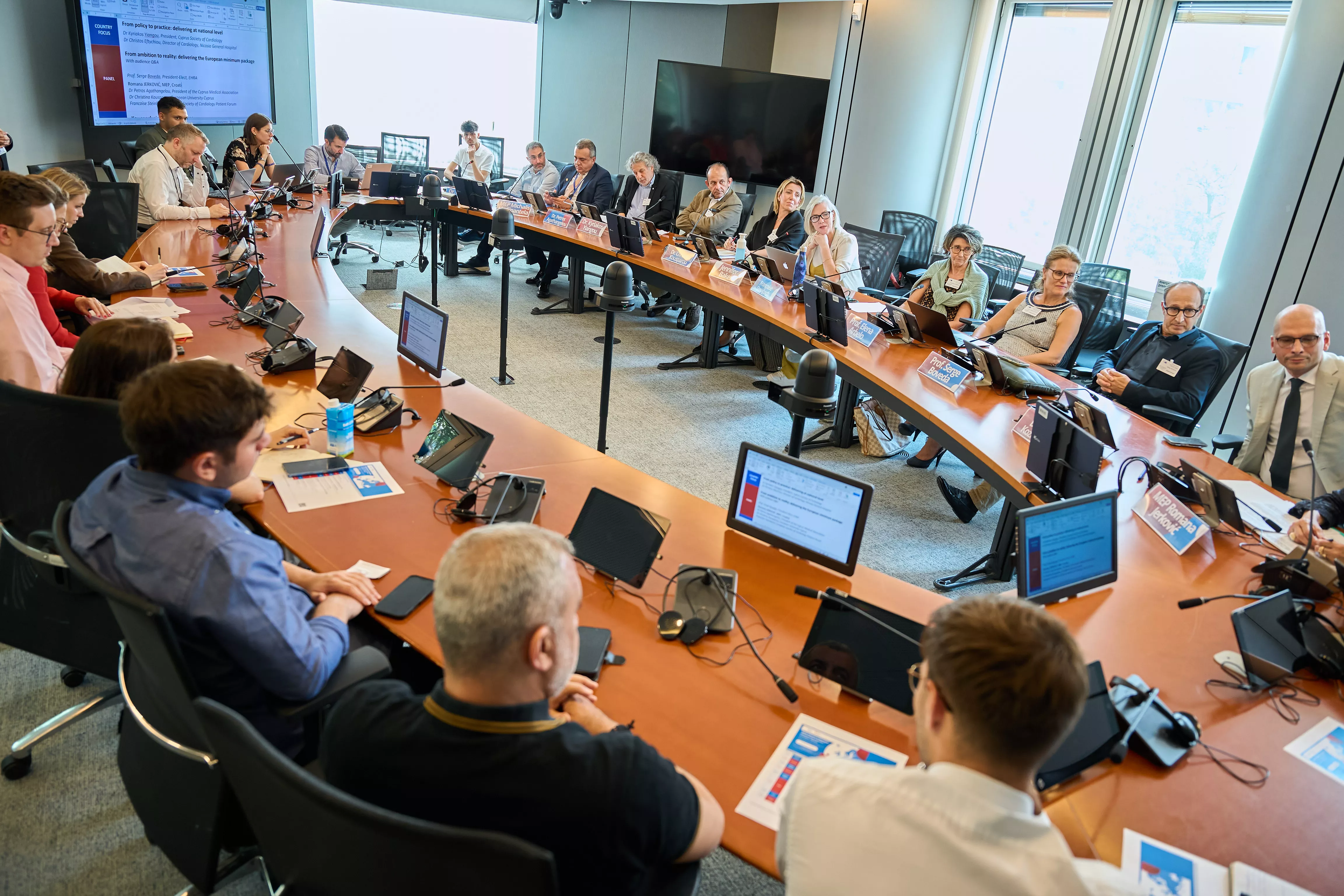
The discussions highlighted a shared message: reducing preventable deaths from sudden cardiac death is achievable. With growing political attention to cardiovascular health and the policy recommendations set out in the Safe Hearts Plan for Europe, participants agreed that the focus must now shift from identifying solutions to implementing them consistently across Europe so that no one's chance of survival depends on their postcode.