


Cardio-Oncology: The Next Chapter in Patient Care
From guidelines and research to real-world practice and interdisciplinary collaboration
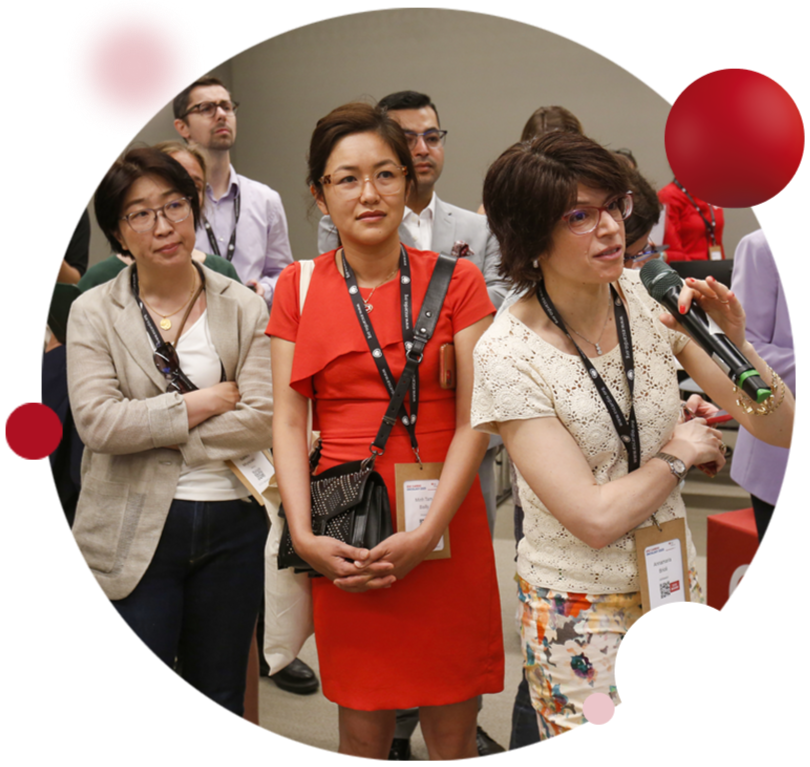
Managing patients with both cardiovascular disease and cancer requires specific individual skills and highlights the importance of teamwork and interdisciplinary collaboration.
The Scientific Programme will address these challenges bringing us the latest advances across all core specialties, combining the latest evidence-based guidelines, innovative research, and practical case discussions.
Alongside education and training, the programme fosters networking and collaboration across specialties. Join us in writing the next chapter of cardio-oncology—together.
Regularly updated.
Tailored learning across the cardio‑oncology spectrum
The Scientific Programme provides a clear, structured view of the cardio‑oncology landscape – spanning foundational knowledge, advanced clinical challenges, and translational innovation.
Sessions combine scientific rigour with real‑world relevance, offering insights you can apply directly in your daily practice.
To support learning pathways and make it easier to navigate the content, the programme is organised into three dedicated tracks, tailored to different levels of experience and areas of focus.
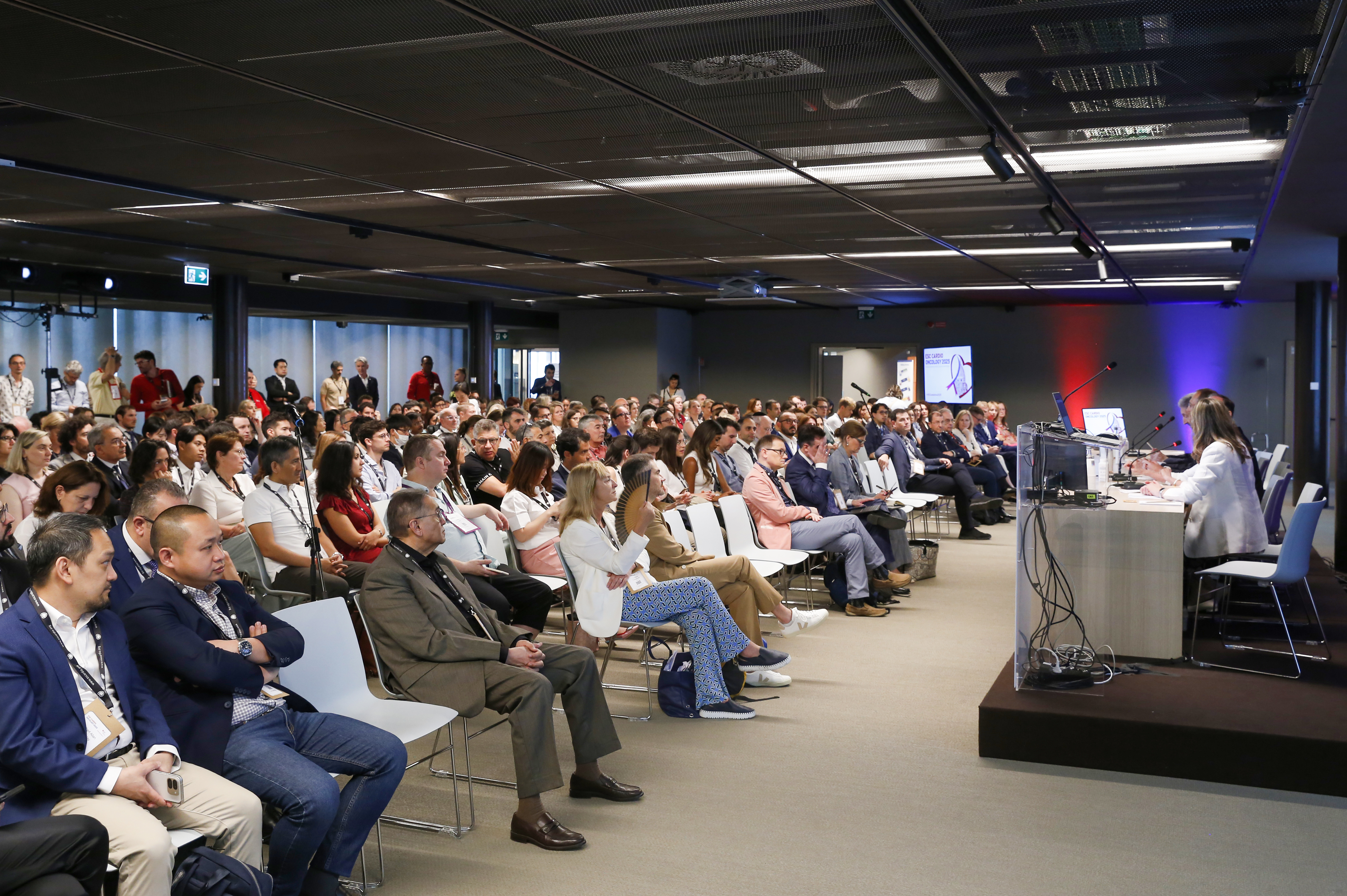
Each track offers targeted, practical learning opportunities, helping you grow your expertise, deepen your understanding, and contribute to shaping the future of cardio‑oncology.
Cardio-Oncology for Everyday Practice
This track covers the cardio-oncology essentials that every clinician needs in general practice. It is built to make day-to-day decisions clearer and more consistent, focusing on practical risk stratification, evidence-based cardiotoxicity surveillance, and smart use of cardiac imaging –so patients get the right test at the right time.
It also reinforces multidisciplinary work and addresses common real-world scenarios, including amyloidosis and survivorship follow-up. Browse the programme
Advanced Cardio-Oncology
This track targets high-complexity scenarios where standard pathways are not enough. It tackles difficult clinical problems, explores the cardio-onco-haematology intersection, and addresses cardiometabolic issues that amplify risk in patients with cancer. It also prepares clinicians for what’s coming – CAR-T and next-generation therapies – while prioritising key evidence gaps the field must address worldwide.
An ESC Councils session will set shared priorities and highlight the key new evidence needed to move cardio-oncology forward. Browse the programme
From Bench to Bedside
This track bridges cardio-oncology mechanisms, research models and definitions with the decisions clinicians must make at the bedside. It examines how cancer therapy–related cardiovascular toxicity is studied and defined, shaping trial endpoints and treatment choices. It then translates immune checkpoint inhibitor–related adverse events into practical recognition and management.
It also expands the pharmacology lens through multidisciplinary collaboration, and debates emerging preventive/therapeutic strategies such as SGLT2 inhibitors, radiotherapy-related heart effects and exercise interventions. Browse the programme
RESILIENCE Project in Cardio‑Oncology: sustainable care across ages, teams and systems
These four sessions integrate mental health across the cardio-oncology journey, and address how cardiovascular toxicity is captured and managed within onco-haematology trials.
It also clarifies the role of imaging in trials – aligning investigator, industry and patient priorities – and explores AI-enabled pathways and translational frontiers that can improve continuity, equity, and outcomes. Browse the programme
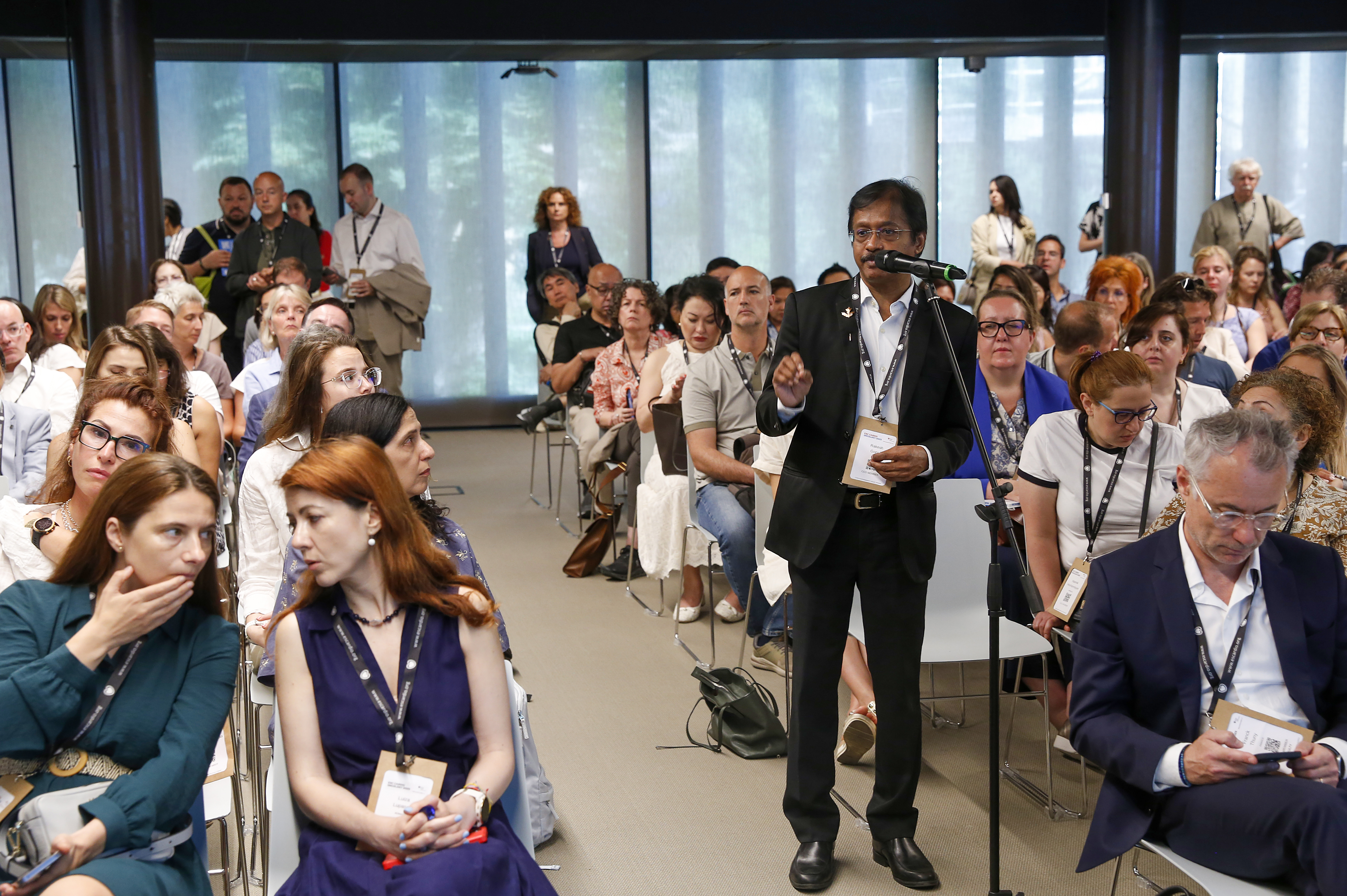
Interdisciplinary connections
The ESC Cardio-Oncology conference brings together specialists in cardiology, oncology, haematology, and radiotherapy to foster collaboration and drive progress. General cardiologists will gain tools to detect cardiotoxicity early and integrate cardio-oncology into practice.
Haematology and oncology experts will connect with cardiovascular teams to improve treatment safety and outcomes.
Joint sessions will spark knowledge exchange and professional growth. Browse the programme
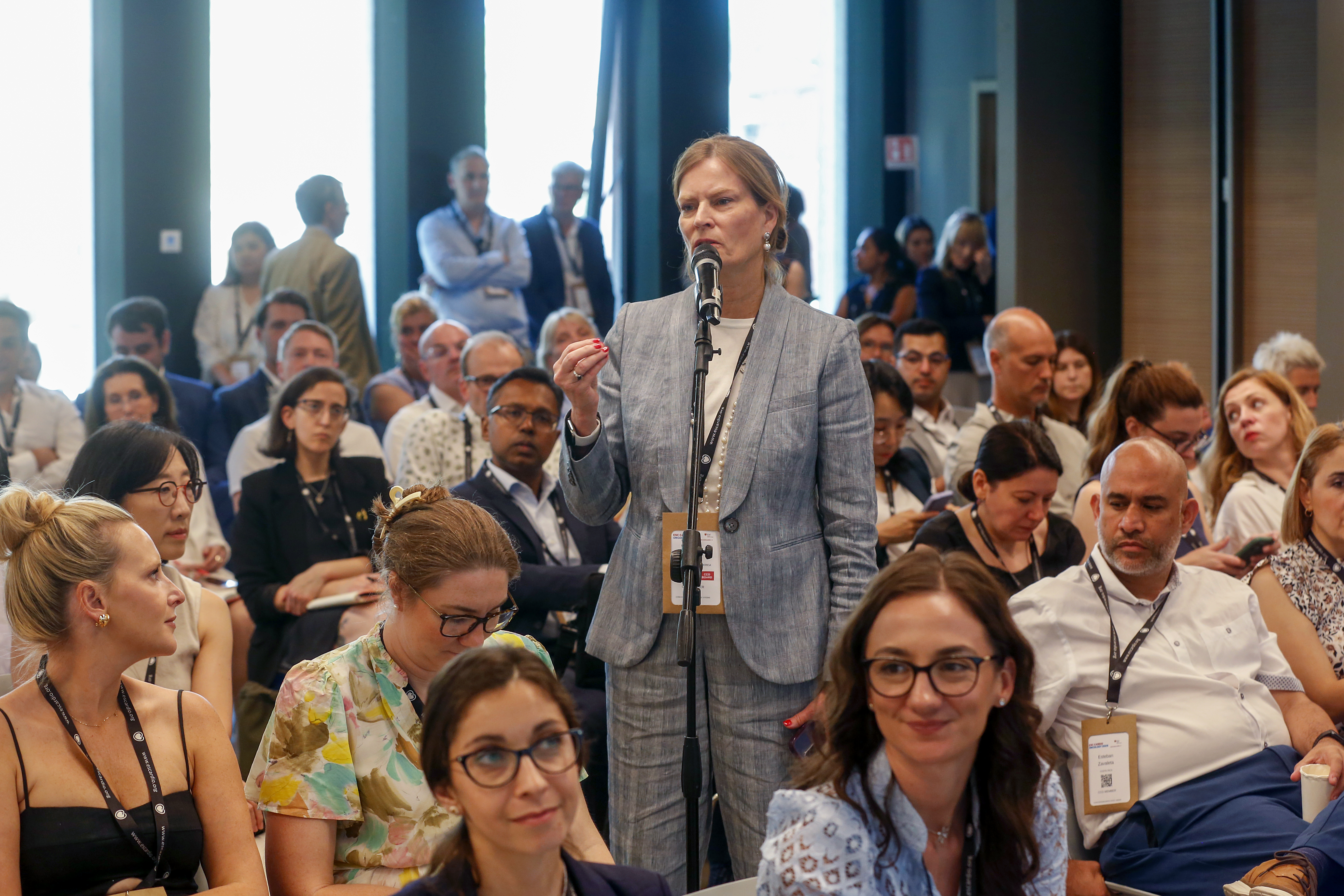
From breakthroughs to better outcomes
Spanning AI-driven imaging, next-generation biomarkers, novel cancer therapies and beyond, the dynamic Scientific Programme will guide you in refining risk assessment, delivering treatments safely, and most importantly, translating these advances directly into everyday clinical care.
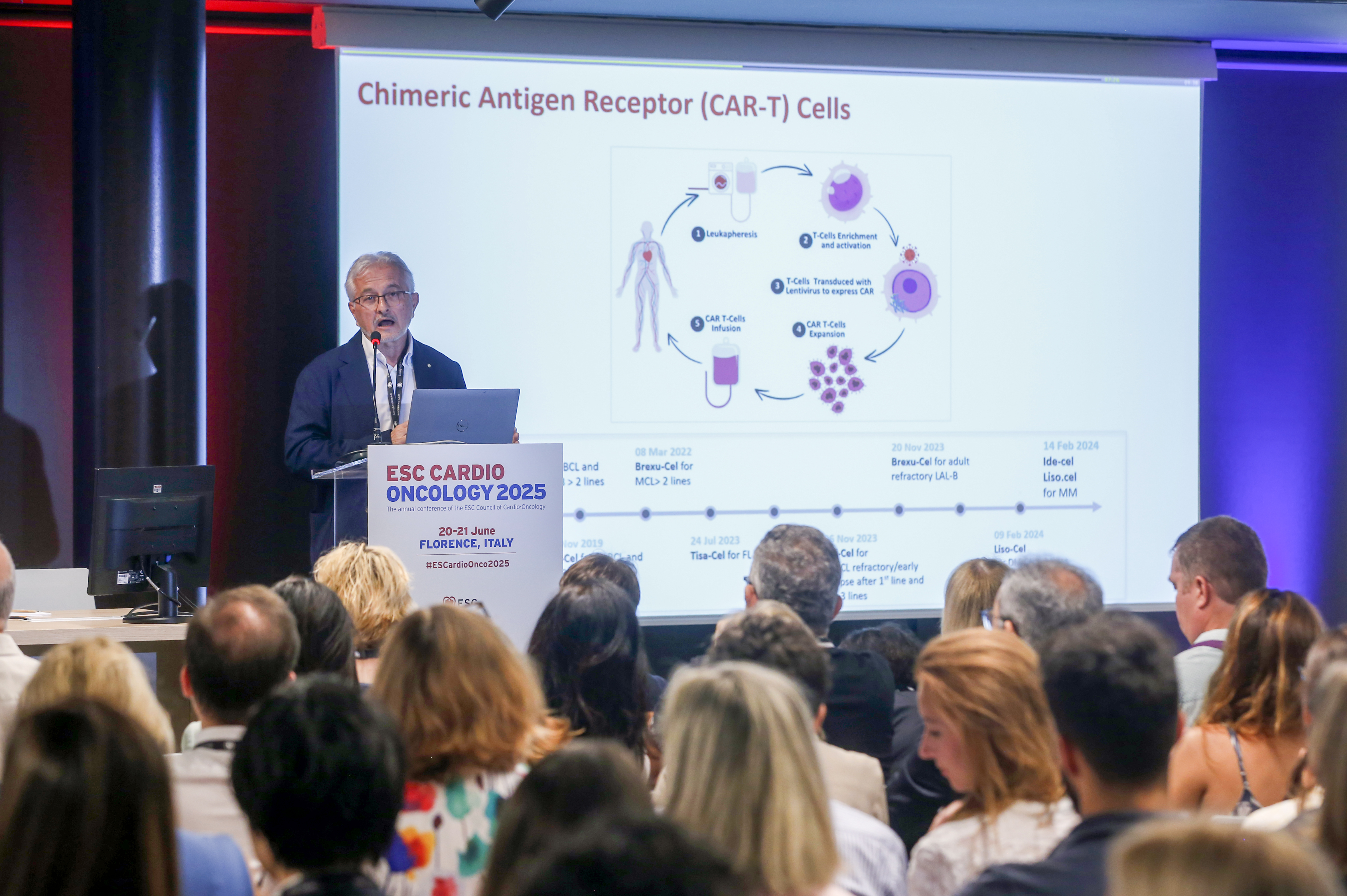
Abstract & Clinical Case Presentations
Innovative research and clinical case presentations will be highlighted during the event.
Presenters will discuss their findings with peers and international experts in dedicated fields of expertise. They will engage with fellow researchers, key opinion leaders, potential co-investigators, and mentors, and will give their work long-term visibility.
The best abstracts from the young community will compete in the Young Investigator Awards session. Join the Jury members to hear their presentations and congratulate them all!
More to explore
Call for Science
It's time to submit your innovative research and most educational clinical cases.
Register early and save!
Make the most of the early fees and join your peers from cardiology, oncology, haematology, radiotherapy, and related fields.
Helpful information
From practical tips to travel and hotels, plan ahead for a successful conference.
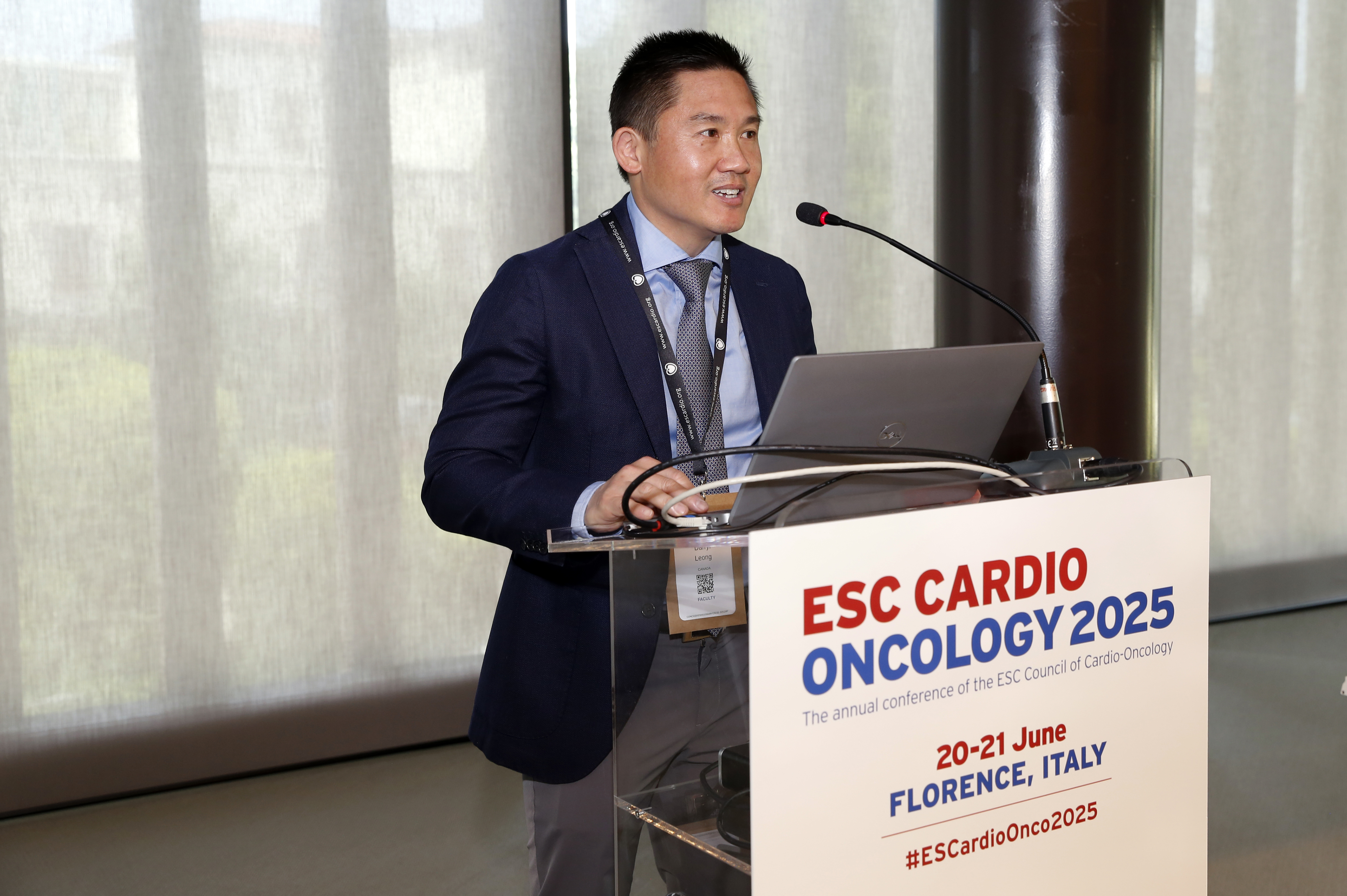
Faculty and Presenters
Information and guidance for congress speakers, discussants, presenters, chairpersons and other faculty.