2024 ESC Guidelines for the management of atrial fibrillation
Addressing [C] comorbidities and risk factors is placed as the initial and central component of patient management. This should be considered first as it applies to all patients with AF, regardless of their thromboembolic risk factors or any symptoms that might warrant intervention. This is followed by considering how best to [A] avoid stroke and thromboembolism, and then the options available to reduce symptoms, and in some cases improve prognosis, through [R] rate and rhythm control. [E] Evaluation and reassessment should be individualised for every patient, with a dynamic approach that accounts for how AF and its associated conditions change over time.
The task force developing the 2024 AF guidelines have made implementation a key goal by focusing on the underpinning evidence and using a consistent writing style for each recommendation (the intervention proposed, the population it should be applied to, and the potential value to the patient, followed by any exceptions). These initiatives have been designed to make the 2024 ESC Guidelines for the management of atrial fibrillation easier to read, follow, and implement, with the aim of improving the lives of patients with AF.
Copyright permission
Guidelines and related materials are for use by individuals for personal or educational purposes. No commercial use is allowed. Re-use permission must be correctly obtained from the publisher ESC Guidelines are protected by copyright. As per opt out option under Article 4 §3 of EU Directive 2019/790, the ESC reserves all rights to license uses of ESC Guidelines to train or develop generative artificial intelligence (AI) models, large language models or other deep learning or machine learning models. Any use of ESC Guidelines in software tools, generative AI models, computational models, or algorithms in which ESC Guideline content is included, cited, or transformed in any way requires a formal license agreement.
ESC Chat - Your Guidelines Companion

ESC Chat provides instant and personalised answers to clinical queries, based exclusively on current ESC Clinical Practice Guidelines.
Educational material
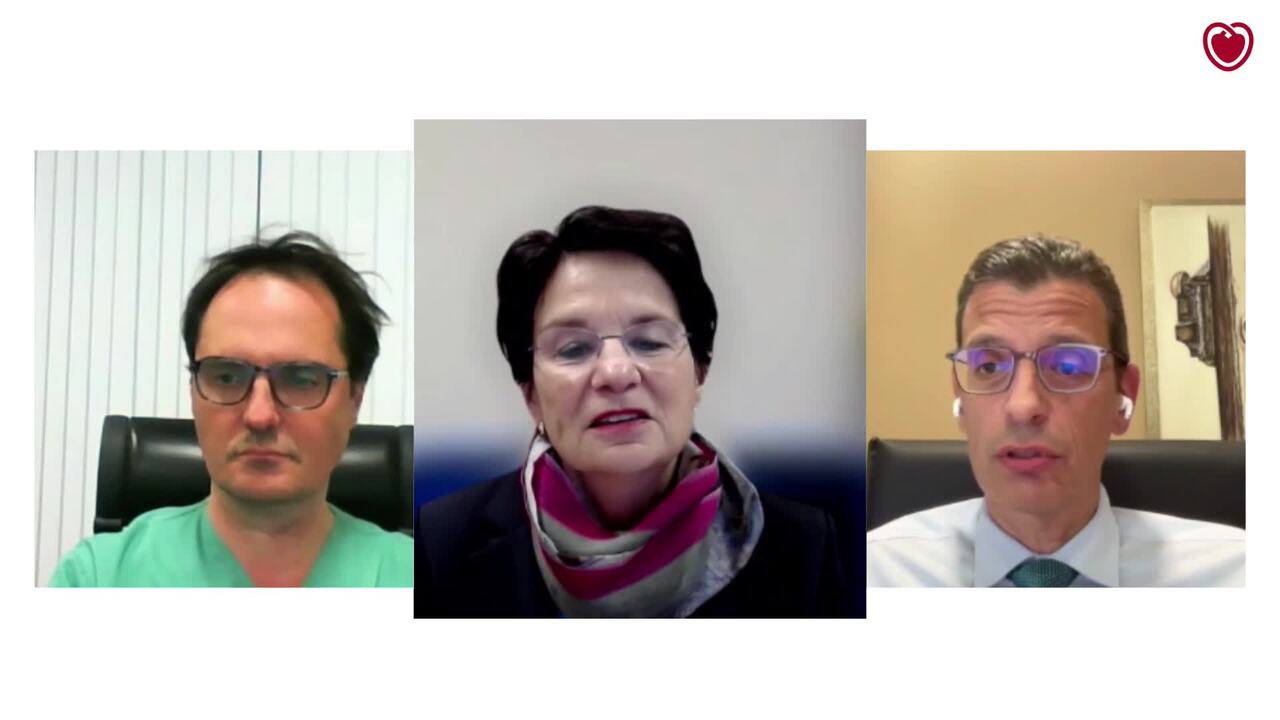
Making better decisions on rhythm control for AF to improve patient symptoms and morbidity
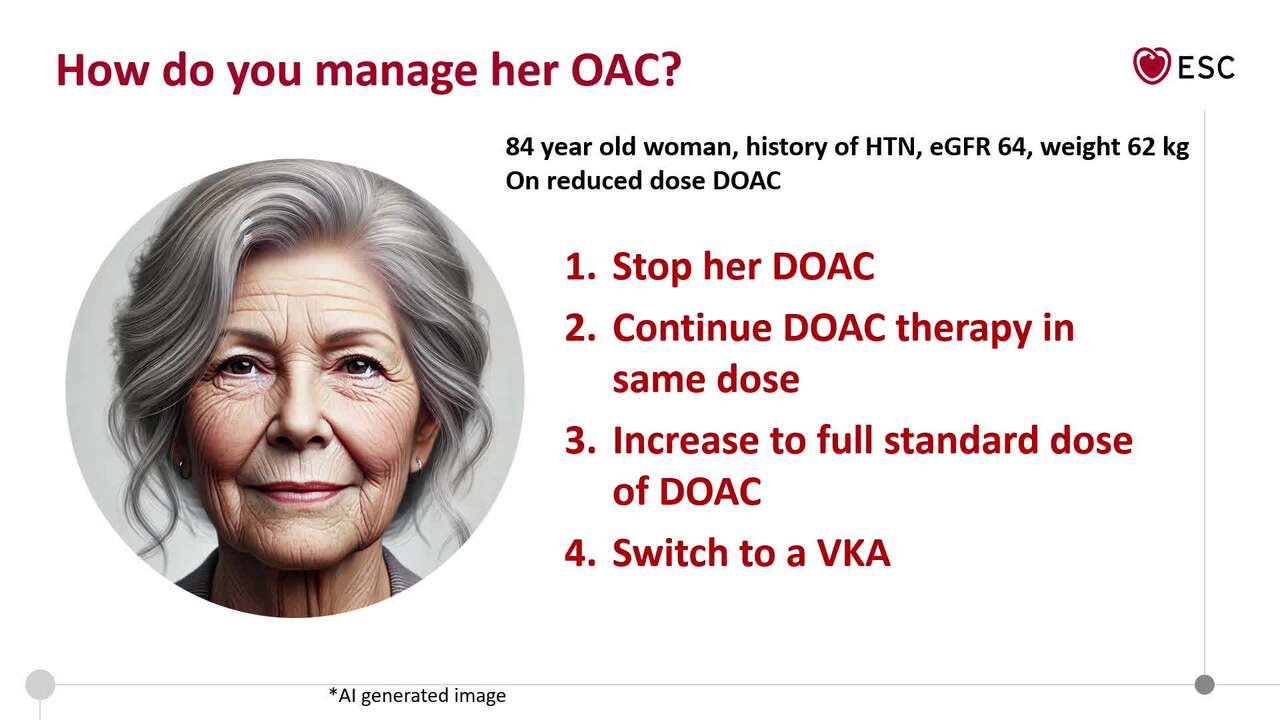
Prevention of stroke and thromboembolism in patients with AF: hurdles and optimal decision making
The 2024 ESC Guidelines for Management of Atrial Fibrillation
Tools
Slide Set
Educational material.
ESC Pocket Guidelines Mobile App
Convenient resources available directly on your mobile device.
Patient versions of ESC Guidelines
ESC Patient Guidelines translate expert clinical recommendations into clear, everyday language.
Task force members
Inge Mølgaard


Associate Professor Luigina Guasti
Chair of the ESC Council for Cardiology Practice (CCP) 2024-2026
See the Board