Gender inequalities
Championing equal cardiovascular care and career opportunities for women worldwide

Equality starts at the heart of cardiology
Tracking progress. Identifying gaps. Driving change.
Women represent at least half of medical graduates in the EU, yet their presence in senior academic, clinical and leadership roles remains limited. Within the European Society of Cardiology, women currently hold only one third of leadership positions. Addressing this gap is part of our social responsibility and a core priority of our strategic plan. Guided by our Gender Policy, we are working to ensure fair governance and equal access to education, training, and research across all ESC activities. Our new Gender Equity Report provides a transparent view of our progress since 2022 and highlights where further action is needed. We invite you to explore the findings and join us in advancing gender equity across cardiology and cardiovascular health.

Closing the gender gap in heart health
What does the data tell us?

Cardiovascular disease (CVD) is the leading cause of death for women worldwide, yet women’s heart health remains under-recognised and under-researched. Despite clear evidence of the threat CVD poses, a major gender gap persists in how women are diagnosed, treated and supported.
- In the European Union (EU), cardiovascular diseases accounts for 40% of all female deaths, more than all cancers combined.
- Women are 20% more likely than men to die following a heart attack due to misrecognition of symptoms.
- Women wait more than five times longer than men to receive a heart failure diagnosis and are twice as likely to be misdiagnosed.
- Women with chest pain are more likely than men to wait over 12 hours before seeking medical help.
These inequalities cost lives, but together we can change that and we are deeply committed to advancing clinical practice, research and policy to close the gender gap in cardiovascular care. We strive to ensure fair funding, equitable representation in research and stronger support for women’s cardiovascular health.
How we are driving change
Advocating gender-inclusive cardiovascular policy
In response to the public consultation on the EU’s Gender Equality Strategy 2026-2030, we have made several recommendations aimed at closing the gender gap:
- Embed a gender perspective in the EU 'Safe Hearts Plan' by incorporating sex-specific clinical guidelines and promoting gender equity in research funding.
- Urge the European Commission to ensure that the forthcoming Gender Equality Strategy places greater emphasis on gender balance in public health and tackles existing inequalities – particularly in disease, which affects women disproportionately compared to men.
- Require gender-disaggregated data collection and increase investment in clinical trials that focus on female-specific cardiovascular risk factors, including those related to pregnancy, menopause and hormonal health.
- Roll out EU-wide awareness campaigns to inform both healthcare providers and the public about cardiovascular disease in women, dispelling the myth that it is primarily a male condition.
- Support training and capacity-building initiatives for healthcare professionals to enhance understanding of sex-specific symptoms and treatment approaches in cardiovascular care.
- Guarantee that the next EU research framework programme (FP10) includes dedicated funding for women’s cardiovascular research, including in maternal health, to advance early diagnosis, prevention and improved long-term outcomes.

Supporting women in cardiology
Creating opportunities for underrepresented talent in cardiology

The ESC’s Gender Policy highlights a clear disparity. While women make up half or more of medical graduates in the EU, they hold only between 5% and 25% of senior academic posts and cardiology positions in decision-making roles. This is something we believe must change to better serve both the cardiology community and patients.
To address these gaps, we are implementing inclusive policies and fair practices across our organisation, guided by our Gender Policy and the work of the ESC Gender Task Force. This task force tackles systemic challenges ranging from the under-research of cardiovascular disease in women to the lack of female representation in leadership and clinical trials.
By raising awareness, promoting women’s leadership and collaborating with initiatives such as Women as One, we aim to increase visibility and create meaningful opportunities for underrepresented talent in cardiology.
Community awareness
Discover recent sessions and related resources on gender and inclusivity from our events
During our congresses, roundtables and discussions create opportunities to raise awareness, exchange ideas and explore practical ways to effect change. Discover recent sessions and related resources on gender and inclusivity from our events.

Women in cardiovascular trials - what are we doing wrong?
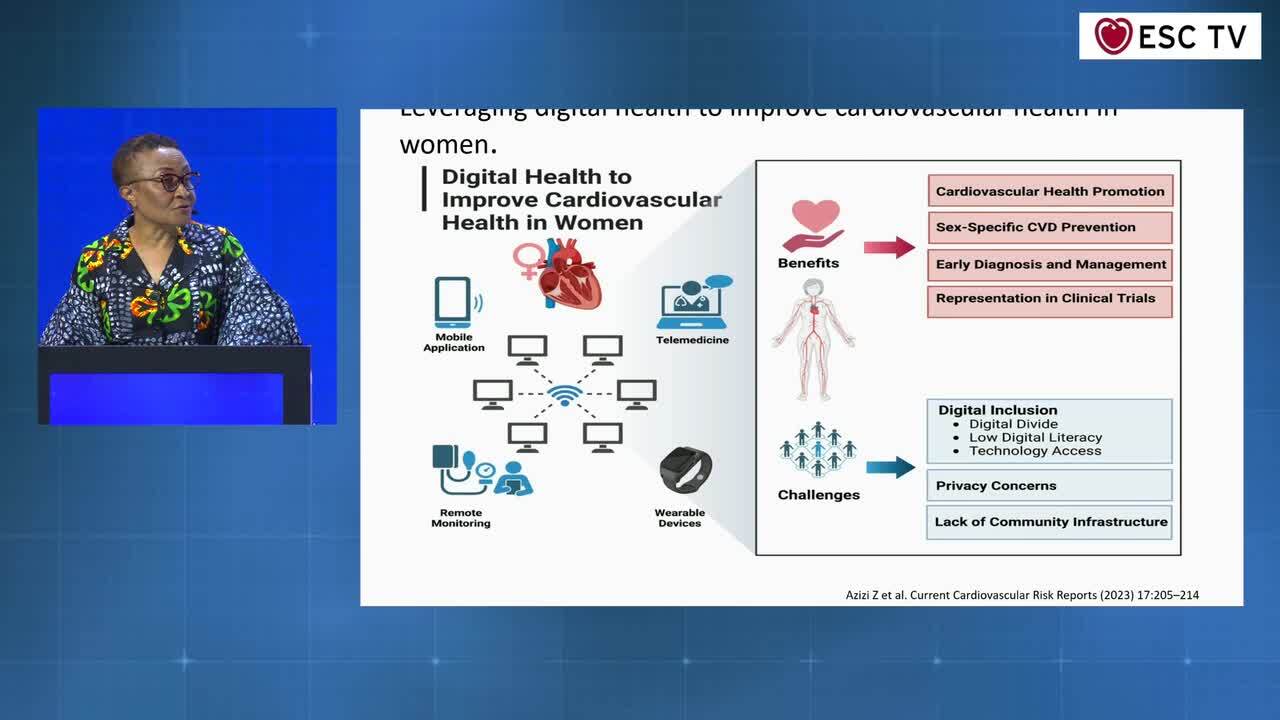
Global improvement projects to improve cardiovascular care in women