Prevention & Inequalities
Leading the fight against cardiovascular disease
Our collective duty to tackle the number one cause of death globally

Cardiovascular disease (CVD) is the world’s leading cause of death, claiming more than 19 million lives each year.
In the European Union (EU), it is responsible for approximately 31% of all deaths among men and 37% among women. Beyond the immense human impact, CVD places a significant financial strain on the EU and its member states, with an estimated annual burden of €282 billion.
As the leading authority in the fight against cardiovascular disease, we have a duty to address these gaps and challenges at a societal level.
Gender inequalities
Advancing clinical practice, research and policies for women's cardiovascular health
There is clear body of evidence showing that CVD is the leading cause of death among women worldwide.
Nevertheless, there is a major gender gap in the diagnosis and treatment of CVD in women.
We are working to change this by advancing clinical practice, research and policies that ensure women receive equitable cardiovascular care.
The imbalance extends beyond patient care and into the profession itself. We believe this must change to create a more inclusive profession that better reflects and serves the diverse communities and patients we care for.

Geographic inequalities
Equity is at the heart of everything we do
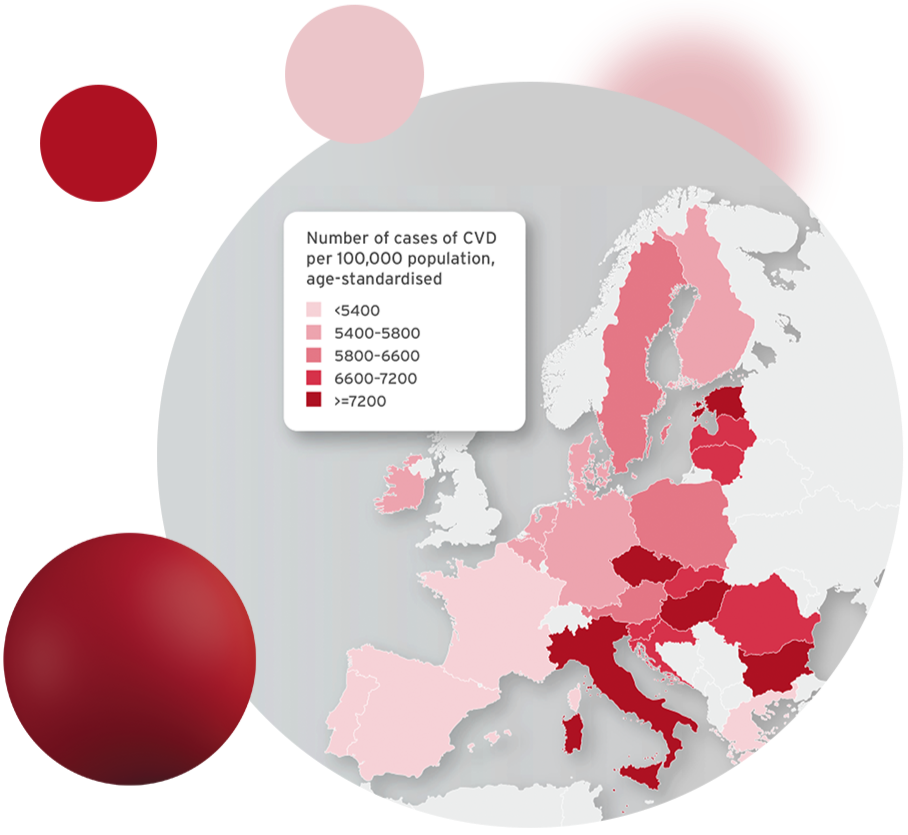
Equity is at the heart of everything we do, and we are on a mission to ensure fair cardiovascular health for everyone, everywhere.
The impact of CVD is felt unevenly across Europe and around the world, with longstanding inequalities that continue to shape people’s chances of survival.
Across the EU, death rates from CVD range from 20% to as high as 65%, and even within a single country, the burden of disease can vary dramatically from one region to another.
Prevention
We are fully committed to promoting healthier populations
It is estimated that up to 50% of CVD could be prevented through early detection.
Cardiovascular health checks, along with the effective management of key risk factors including obesity, high cholesterol, high blood pressure, diabetes and smoking are important for early detection. Awareness, education and secondary prevention strategies that support rehabilitation also play a vital role in empowering people take control of their heart health.
We are fully committed to promoting healthier populations through both primary and secondary prevention, ensuring not just survival, but the opportunity for renewed health and a full, active life.