National Cardiovascular Health Plans
Supporting the EU 'Safe Hearts Plan'
Working Together
Cardiovascular Health Across Europe

Improving heart health for all
The European Society of Cardiology (ESC) is actively engaged in supporting the development of an EU Cardiovascular Health Plan — a vital step toward improving heart health for all.
In parallel, national strategies play a crucial role in addressing the specific needs, priorities, and healthcare settings of individual countries. Many countries are already making great progress and EU 'Safe Hearts Plan' aim to have all EU countries delivering a national cardiovascular health plan by 2027.
Through the Cardiopolicy Group, the ESC proudly supports its member National Cardiac Societies in shaping and advancing these national efforts.
Latvia - March 2026
Latvia has approved its Cardiovascular Health Improvement Action Plan 2026–2027, a key step towards reducing cardiovascular mortality and improving healthy life years across the population. The plan focuses on tackling persistent health inequalities through stronger prevention, earlier diagnosis and more equitable access to care.
Two flagship measures drive the reform: updating the SCORE2 risk assessment methodology in family doctor practices to enable earlier and more accurate detection of cardiovascular risk; and launching a pilot for cardiology care offices, providing a structured one‑year follow‑up for patients after acute cardiovascular events. This aims to improve continuity of care and reduce relapse and disability.
With cardiovascular disease still a leading cause of death in Latvia - particularly among men aged 35–45 - the plan reflects the country’s commitment to targeted action. It aligns with the EU Safe Hearts Plan and European best practices, strengthening patient‑centred, integrated cardiovascular care.

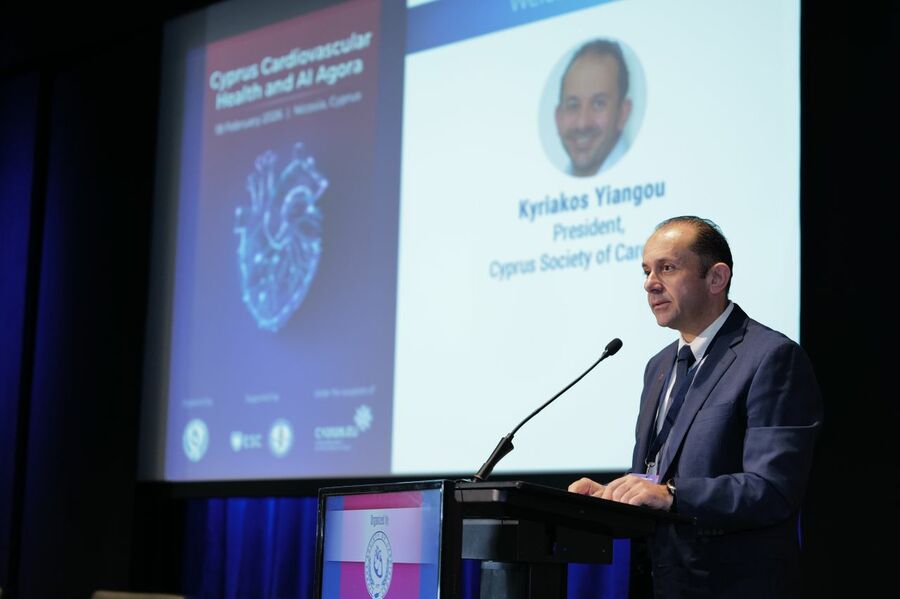
Cyprus - January 2026
Romania – October 2025
Romania has taken a decisive step in the fight against cardiovascular and cerebrovascular diseases with the launch of its National Strategy for Combating Cardiovascular and Cerebrovascular Diseases (SNBCC) 2025–2030. Endorsed by the Ministry of Health and developed in collaboration with leading national scientific societies including the Romanian Society of Cardiology, the SNBCC is a comprehensive, evidence-based plan addressing the country’s highest health burden. The strategy sets out a systemic reform, focusing on prevention, early diagnosis, equitable access to care, and rehabilitation, while also strengthening research and digital health infrastructure. With ambitious targets, the plan emphasises multisectoral collaboration, patient empowerment, and sustainable investment, aligning Romania with European benchmarks and the ESC’s vision for #CVHealthForAll

Czechia - December 2024
The Czechia launched its National Cardiovascular Plan (NCVP) 2025–2035, a comprehensive, government-endorsed strategy to address the country’s leading cause of mortality. Developed by the Ministry of Health in collaboration with professional societies such as the Czech Society of Cardiology, patient organisations, and public health experts, setting out a bold vision: ensuring that everyone can prevent cardiovascular disease and, when it occurs, receive the highest quality care, regardless of geography or disease stage. The plan prioritises prevention, early diagnosis, and equitable access to modern therapies, while strengthening multidisciplinary collaboration and digital health infrastructure. The NCVP aims to close care gaps, reduce premature deaths, and align Czech cardiovascular health outcomes with European best practices.
Lithuania - August 2024
Lithuania has reinforced its commitment to cardiovascular health with the latest update of its Programme for the Prevention and Early Diagnosis of Cardiovascular Diseases. The plan sets ambitious targets for population coverage, smoking cessation, healthy lifestyle training, and reduction of risk factors such as obesity and high cholesterol. The Lithuanian Society of Cardiology has played a key advocacy role in shaping national priorities, promoting evidence-based prevention, and its support is still vital in the implementation of the plan across the country. By fostering collaboration among healthcare professionals, public health offices, and patient organisations, Lithuania aims to reduce premature cardiovascular mortality and align national outcomes with European best practices.

Luxembourg - September 2023
Luxembourg launched its first comprehensive National Cardio-Neuro-Vascular Disease Plan (2023–2027), marking a major achievement in the country’s commitment to tackling cardiovascular and neurovascular diseases. Developed by the Ministry of Health in collaboration with a broad coalition of experts and stakeholders including the Luxembourg Society of Cardiology, the plan aims to reduce morbidity and mortality through a coordinated, evidence-based approach. The strategy is structured around five key areas: governance, data collection and analysis, prevention, screening, and care pathways. With 19 measures and 58 actions, Luxembourg’s plan prioritises prevention, supports patient empowerment, and fosters continuous evaluation to ensure measurable progress in cardiovascular health.

Poland - December 2022
Poland launched the National Cardiovascular Disease Programme 2022–2032 (NPChUK). It’s a comprehensive, government-funded strategy to address the country’s persistently high burden of cardiovascular disease. Developed by the Ministry of Health and the National Institute of Cardiology, the plan aims to reduce morbidity and mortality, and close regional health gaps. The NPChUK is structured around five pillars: investment in human resources, education and prevention, patient-centered care, science and innovation, and the modernisation of the cardiac care system. Thanks also to the advocacy effort of the Polish Cardiac Society, the plan emphasises equal access, innovation, and measurable improvements in population health, with a strong focus on reducing risk factors and improving early detection.

Spain – April 2022
Spain approved their National Cardiovascular Health Strategy (ESCAV) in April 2022 by the Ministry of Health and regional authorities. The plan marks a major step forward in the country’s commitment to protecting and improving heart health. The ESCAV reflects a remarkable collaborative effort bringing together the Ministry of Health and leading scientific organisations — notably the Spanish Society of Cardiology and the Spanish Heart Foundation. During ESC Congress 2025 in Madrid, His Majesty King Felipe VI and the Spanish Minister for Health underlined the importance of the CV Health Plan in their country and the role of the ESC community for a European plan to support #CVHealthForAll.

Estonia - December 2019
Estonia’s national approach to cardiovascular health is guided by the Development Plan for Cardiology, created with leadership from the Estonian Society of Cardiology. The plan sets out priorities for modernising both outpatient and inpatient cardiac care, expanding rehabilitation and prevention, and ensuring equitable access to advanced diagnostics and treatments. The Estonian Society of Cardiology plays a central role in developing national treatment guidelines, coordinating acute coronary syndrome care, and setting standards for hospital accreditation and specialist training. The plan also highlights the importance of state-supported continuing education, the integration of e-health solutions, and public awareness campaigns to reduce preventable heart disease.

Sweden – In Development
Sweden has initiated the development of its first comprehensive National Action Plan for Cardiovascular Diseases, with the process led by the National Board of Health and Welfare. The Plan will focus on equitable care, risk factor management, and increased patient participation, ensuring that all Swedes, regardless of region, receive timely and high-quality support. The Swedish Society of Cardiology is a key partner in shaping the plan’s clinical content and ensuring that the latest scientific evidence informs national guidelines and practice.
By taking this collective approach, Sweden aims to reduce mortality, improve quality of life, and provide more equal care, while empowering patients to take an active role in their own health and care.