


Why gender matters in cardiovascular health
There is still insufficient awareness, in society, health systems and medical education, of sex‑specific risk factors and how cardiovascular symptoms present differently in women. This lack of awareness contributes to delays in help‑seeking and diagnosis. For example, women with heart failure wait up to six times longer than men before seeking medical attention. Women who smoke face a 25% higher risk of CVD, and the risk of mortality after a heart attack is 20% higher among women than men. Pregnancy‑related factors, including pregnancy loss, can increase the risk of coronary heart disease by 45%.
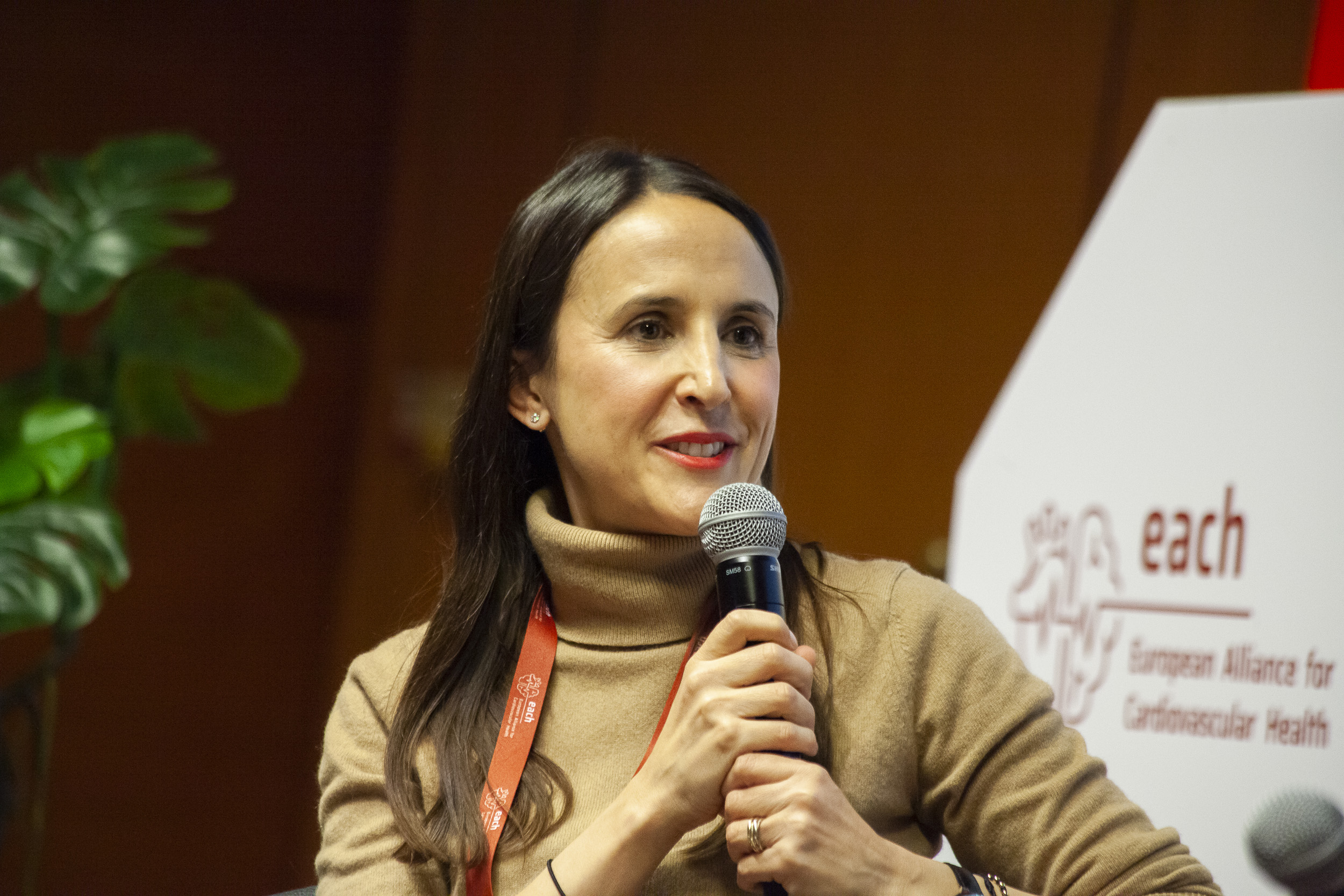
“These realities must be recognised and addressed,” says Prof. Rubini Gimenez. “We need greater awareness across society, among healthcare professionals, and especially among policymakers.”
Driving evidence-based change
One major barrier to equality is the persistent under‑representation of women in clinical trials and leadership roles. While women make up at least half of medical graduates in the EU, they hold only 5% to 25% of senior academic or cardiology leadership positions. As Prof. Rubini Gimenez notes, “When women lead clinical trials, female participation improves – and so does the quality and applicability of the evidence.”

-
Promotes the collection and use of sex-disaggregated data in clinical research;
-
Advocates for EU‑level policy change, including requirements for gender-sensitive trial design;
-
Highlights gender-specific cardiovascular issues at ESC congresses, educational webinars and institutional events
-
Supports women in cardiology through leadership courses, mentorship programmes and visibility initiatives.
From evidence to guidelines
Because clinical guidelines rely on research data, which to date has largely been male‑centric, the Task Force is advocating for a shift towards gender-specific evidence bases. “Data generated in male cohorts define what are considered ‘normal’ values in several examinations,” explains Prof. Rubini Gimenez. “That is why we need dedicated studies and sex-specific analyses.”
A growing momentum
The Task Force’s work is gaining traction. Policymakers across Europe are increasingly recognising gender disparities in CVD outcomes, helped by sustained ESC advocacy efforts and high-profile events such as the European Parliament conference ‘A wake-up call: key trends and policy asks for cardiovascular health in women’ (5 March 2025), where Prof. Rubini Gimenez contributed as a speaker.
“There is still a long way to go,” she concludes, “but we are making progress.”
Find more information on the ESC Gender Task Force and its work here.