


The story of Prof Piotr Szymański’s journey to the top table in EU regulatory discussions began a decade ago at an ESC Congress in London in 2015. At that time, Prof Szymański was active as an expert in the Polish Health Technology Assessment (HTA) body but had limited experience at European level.
At the Congress, he met Professor Alan Fraser who, by that time, was an established expert in regulatory science in his capacity as Chair of the ESC Regulatory Affairs Committee (RAC). Prof Fraser became something of a mentor to Prof Szymański. ‘Alan invited me to join the Committee at the start of a new term and, when he stepped down as Chair, I took on the role,’ recalls Prof Szymański. ‘It was a great experience: I learned a lot and felt I’d made a difference in terms of our approach to regulation.’
The workload is significant and involves reviewing documents, attending meetings, liaising with colleagues across Europe, and connecting with the ESC secretariat in Brussels. The scope of the work has expanded from focusing primarily on medical devices to including medicines, artificial intelligence and health data.
It can, however, be very rewarding to engage with officials at the European Commission, European Parliament or European Medicines Agency on issues that affect cardiologists and their patients. The RAC reports directly to the Board of the ESC and has become a key partner for a wide range of policy bodies. ‘The ESC is highly respected in Brussels,’ he says. ‘Regulators listen to us, due to our role in shaping clinical practice across Europe.’
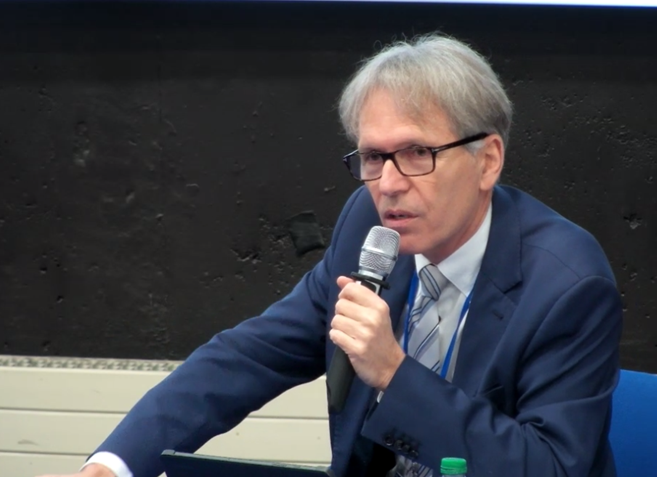
At the same time, it’s a role that requires great patience. At times, deadlines for responding to consultations can be tight; while implementation is often slow. Persistence is key, and the ESC team is a steady source of support. ‘It offers a different pathway – sometimes it may be a remedy for a certain type of physician burnout – and a new opportunity to make an impact by combining clinical work with policy work,’ he says.
One reason why decision-makers are keen to hear from the ESC is its capacity to connect with cardiologists across Europe who can answer specialist scientific questions: ‘You have access to the top experts in the world. When you call on behalf of the ESC, colleagues are eager to respond.’
Prof Szymański feels his work is making a difference, whether in informing decisions by the European Medicines Agency or seeing MEPs vote on proposals drafted using ESC advice. ‘There is great satisfaction in it,’ he says. ‘Working at this scale ultimately affects hundreds of millions of people in Europe.’