


Heart specialists are shaping policy and regulations across Europe – demand for their input is growing fast
If you stop someone on the street and ask them how cardiologists save lives, they will answer without hesitation. From diagnosing, preventing and treating heart conditions to researching new therapies, few will doubt the power of cardiologists to have an impact.
However, some heart experts have found a new way to make a difference: political advocacy. Medical experts are driving policy change and informing legislation in a crucial way that is sometimes overlooked but often highly rewarding.
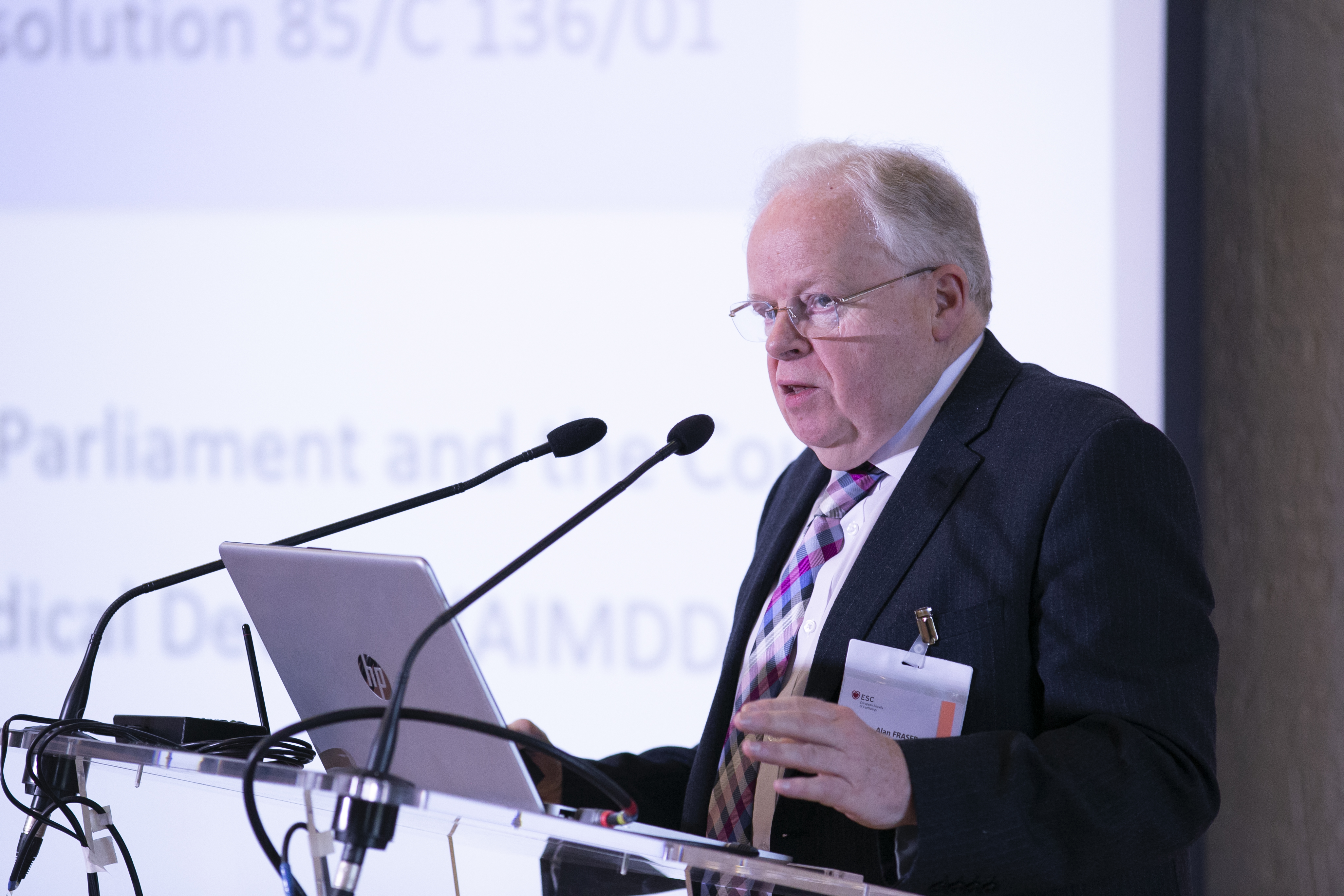
He stepped up his advocacy work after first-hand experience with a heart valve. Although it had been approved for use, the valve was associated with devastating adverse outcomes for patients. Rather than being evaluated on its own merits, the valve had been approved, inappropriately, on the basis of equivalence – meaning data from other, similar products were used to estimate its safety.
‘Patients died and the product was withdrawn, but it was always on my mind,’ he recalls. ‘I needed to understand how the regulatory system had allowed this product on the market.’
Like most cardiologists and patients, Prof. Fraser had assumed that approved cardiac implants were strictly regulated to ensure they were safe and effective. ‘That was my primary motivation for getting involved in regulatory science,’ he recalls. ‘The system must make decisions based on evidence, and this requires input from medical experts.’
‘The system needs cardiologists’
Prof. Fraser has been a leading light in the European Society for Cardiology (ESC) for decades. He served on the Advocacy Committee and the Society’s Regulatory Affairs Committee.
Over this time, he has seen the need for expert input grow, but warns that too few clinicians are working with the system at EU level. Alongside revised legislation on medical technology and pharmaceuticals, the future of cardiology can be impacted by European rules on data protection, AI and cybersecurity.
‘The health agenda has exploded over the years,’ he says. ‘We need more doctors at the table.’
A career renaissance
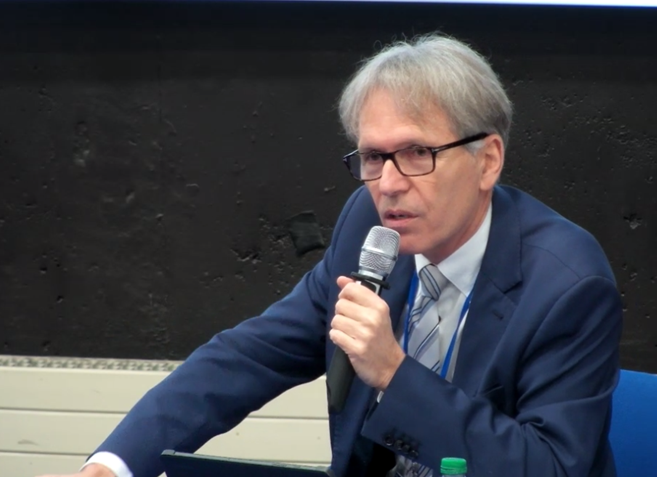
The workload can be significant, and involves reviewing documents, attending meetings, liaising with colleagues across Europe, and connecting with the ESC secretariat in Brussels. It is, however, very rewarding to engage with officials at the European Commission, European Parliament or European Medicines Agency on issues that affect cardiologists and their patients.
The ESC is perhaps best known for its clinical research, practice guidelines and the annual ESC Congress with its 30,000 attendees. In policymaking circles, it is increasingly well known for its advocacy work. Whether it’s shaping national cardiovascular action plans, advising on EU regulations or pushing for better patient services, the Society has become a go-to source of expertise in cardiovascular health policy.
‘The ESC is highly respected in Brussels,’ Prof. Szymański says. ‘Regulators listen to us, due to our role in shaping clinical practice across Europe. And colleagues are always eager to respond when you call on behalf of the ESC. It offers a different pathway – which may be a remedy for a certain type of physician burnout – and a new opportunity to make an impact by combining clinical work with policy work,’ he says.
Prof. Szymański encourages his peers to get involved in this kind of work, particularly those at a point in their career where they have developed significant expertise and are ready for a change in direction.
Tailoring the message
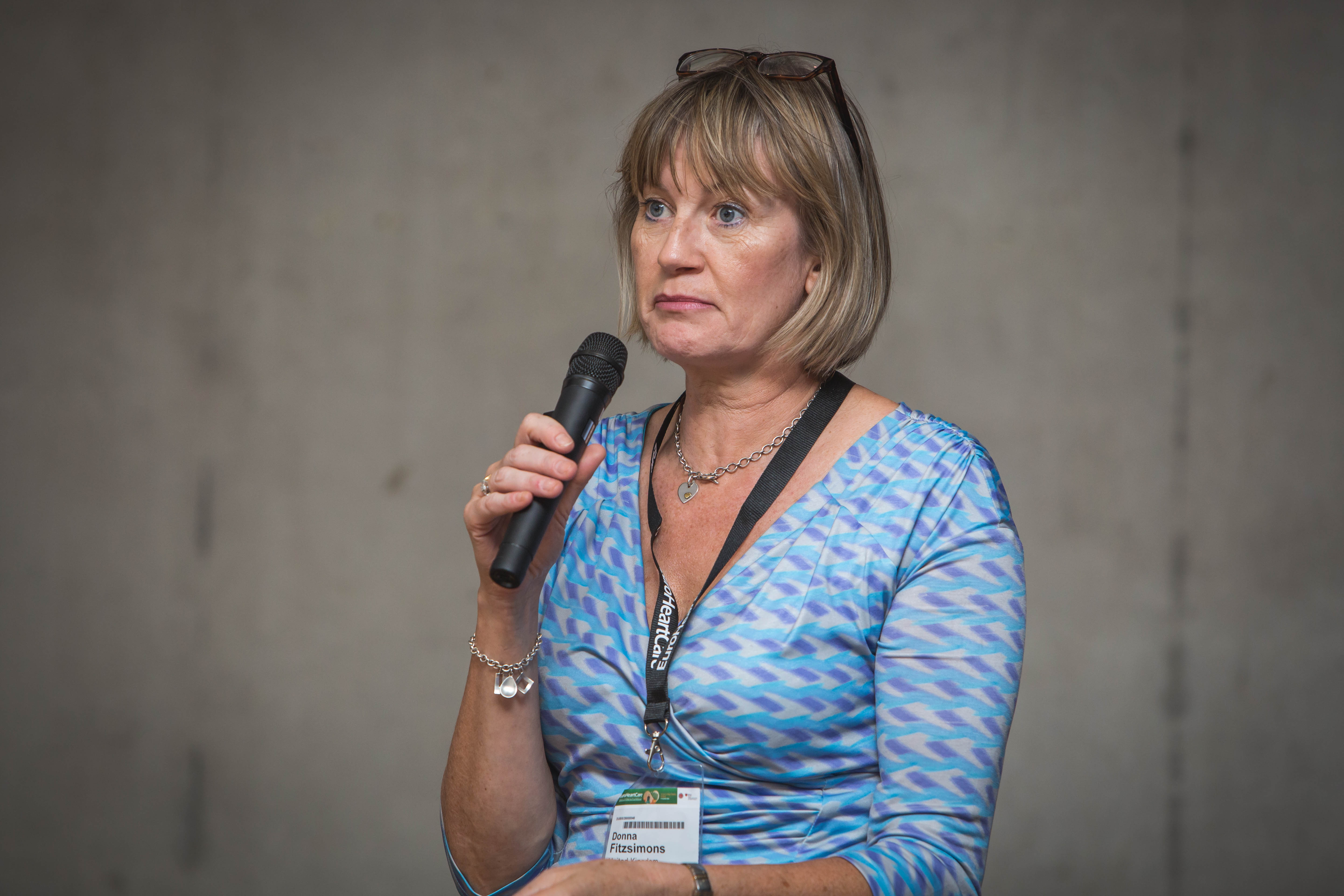
For Prof. Donna Fitzsimons, Professor of Nursing at Queen's University Belfast and Past Co-Chair of the ESC Advocacy Committee, advocacy work can be an enriching part of a varied workload. It is, she says, another way to have a ‘game-changing’ impact on service delivery for patients.
‘Politicians want to engage with experts, so we have an opportunity to bring their attention to the latest science and to improve the quality of cardiology services,’ she says.
It’s also a chance to hone new skills. Having worked at local, national and European level, Prof. Fitzsimons knows the value of tailoring messages to suit the political priorities and interests of the audience.
‘We have to learn each other’s perspectives and motivation if we are to get our points across,’ she explains. ‘When we speak to politicians who are interested in gender equality, we highlight the disparities that exist for women in research, service delivery and health. This engages the person and makes cardiology more immediately relevant to that particular Minister or Member of the European Parliament.’
The same principle holds when talking to an agriculture official or a member of a parliamentary transport committee: ‘We bring data on how cardiovascular disease contributes to road deaths; or we highlight the role of EU farming subsidies for tobacco – a crop that drives cardiovascular disease, which is the world’s biggest killer.’
Persuasion and patience
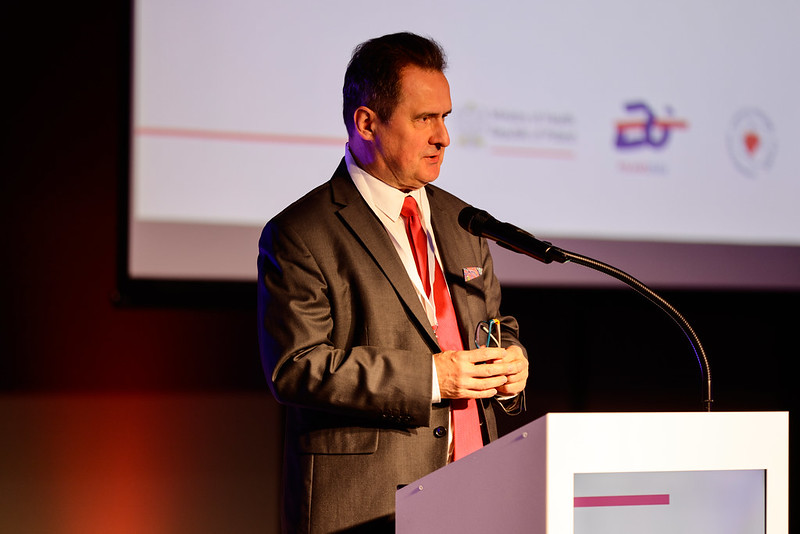
‘I’m naturally impatient, but change takes time,’ he says. ‘We cannot fix everything overnight. Instead of working on ten problems at once, we should define three priorities and focus on those – before moving on to the next challenge.’
As past-President of the Polish Cardiac Society, Prof. Mitkowski has a wealth of experience engaging with politicians and officials at national and European level. Working with colleagues, he has ushered in improvements in cardiology that were once deemed ‘impossible’. His advice is to stay the course.
‘Sometimes the first meeting may be negative,’ he says. ‘But if you want to move forward on an issue, you must pause, reflect and return at a later date. You’ll get there over time.’
A way to give back
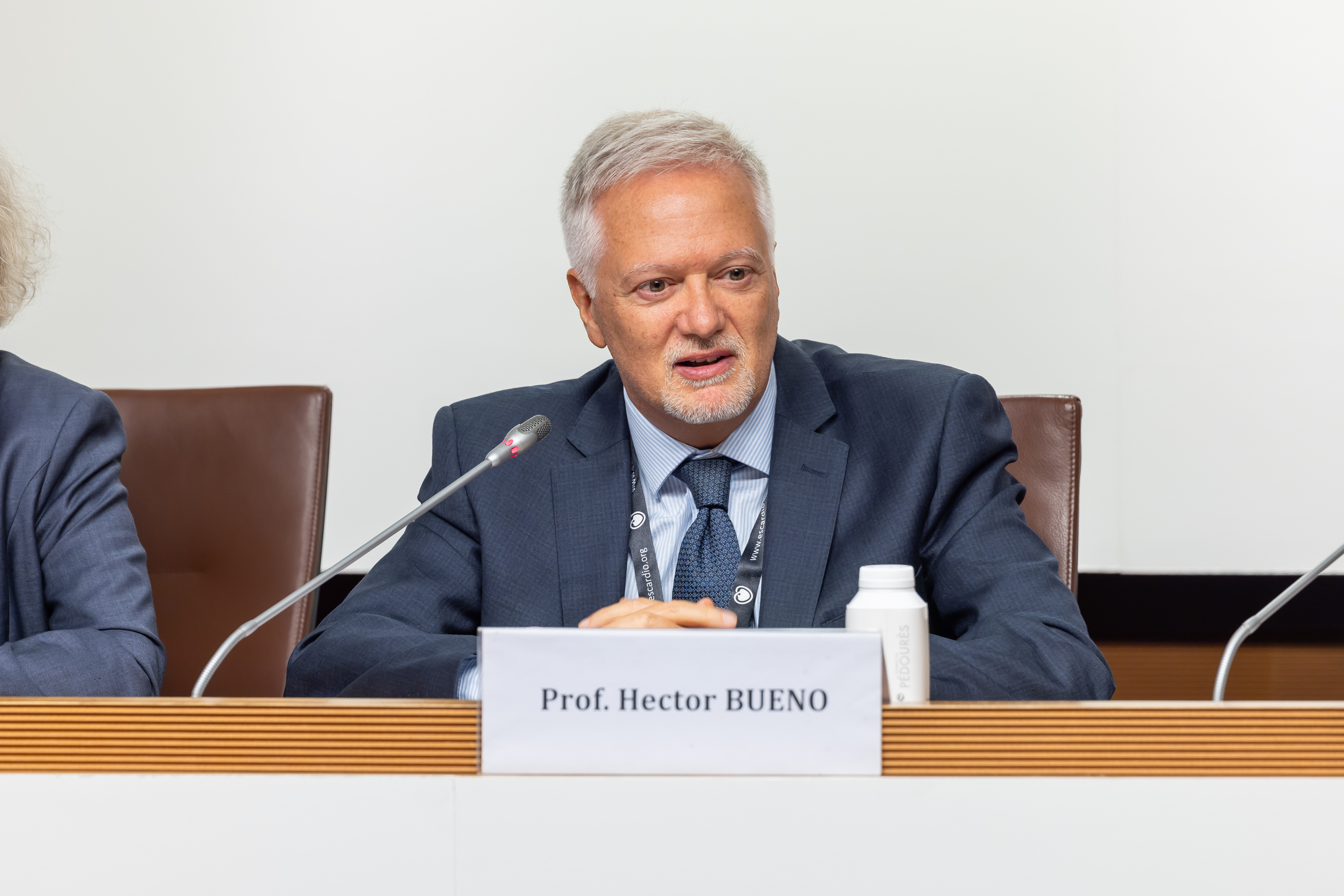
‘I suggested we should think about cardiovascular health instead of cardiovascular disease,’ he recalls. ‘The Ministry liked the idea, secured approval, and the policy shifted towards a broader population health mindset.’
Rather than taking the lead and focusing on specialist hospital care, Prof. Bueno sought a more inclusive approach. He became one of four scientific coordinators, with the other three drawn from primary care, nursing and management. ‘This was a revolutionary strategy for Spain,’ he says. ‘In the past, this kind of work was always led by specialists, but I was convinced that we needed to think about society – primary care, public education, schools.’
It proved to be a major undertaking but, despite changing health ministers six times and navigating a pandemic, the large team of experts produced a strategy in 2022. ‘I learned a lot,’ Prof. Bueno says. ‘As specialists, we can have a very narrow vision. Seeing how others view the problem makes you change how you view what’s best for the health system and society. It was very satisfying.’
His advice to cardiologists considering taking a proactive role in health policy is to be ambitious, to ensure strong policy support, to pursue a multidisciplinary approach, and to take account of gender and equity in health promotion.
Cardiologists, nurses and researchers keen on shaping the future of cardiac care can get in touch with national societies or with the ESC. There is plenty of work to do, but those with experience of engaging with policymakers say the challenges are eclipsed by the rewards.
‘I feel that I have been very privileged in my career,’ Prof. Bueno says. ‘Working on the strategy was a way to improve not only the lives of patients, but society as a whole. I view this work as a service.’
Shaping the future

Prof. Susanna Price is used to working in high pressure critical care settings, but is now throwing herself into political advocacy at a crucial juncture. As the ESC Advocacy Committee Chair, she has been playing a key role in pushing for the ambitious Europe-wide plan that could set the tone for a generational shift in heart health.
‘It’s an exciting moment to deliver meaningful action at scale,’ she says. ‘We’re not doing it alone, but with a diverse cross-section of partners. Together, we’ve got momentum and we’re ready to build on it.’
If you are inspired to step into the world of political advocacy, contact your national cardiac society to learn more about their work.