


The ESC is coordinating expert input on cardiometabolic checks, as the EU prepares landmark cardiovascular health (CVH) plan
This month, we look at how the ESC is driving change at the European level while national associations embrace the task of delivering preventive care in their countries. The spotlight is on Greece where an unprecedented initiative aims to screen millions of people for cardiovascular risk factors. We speak to Prof. Konstantinos Toutouzas, President of the Hellenic Society of Cardiology, to get the latest.
This reflects wider efforts to lead the way in Brussels on systematic health check-ups and ‘knowing your numbers’, ahead of the publication of the EU Cardiovascular Health Plan next month. ESC experts are working with colleagues and counterparts from several organisations to provide concrete technical input on cardiometabolic screening.
Prof. Francesco Cosentino of the Karolinska Institutet and Karolinska University Hospital in Sweden tells us how specialists have spent the past three months discussing what risk factors need to be checked, in which age groups, and how often. The aim is to inform future recommendations by the European Council on structured routine programmes that would follow the CVH Plan.
Cardiometabolic health checks: definitions drive delivery
The value of preventative health – for individuals and for health systems – has become a prominent feature of health policy discussions. This has added weight to calls for regular screening to identify and address potential problems as early as possible. Turning this aspiration into action requires clear definitions on what will be checked and when.
Since earlier this Summer, the ESC has served as the secretariat for a new Task Force of experts on cardiometabolic checks, with representatives from the European Renal Association (ERA), the European Kidney Health Alliance (EKHA), the European Diabetes Forum (EUDF), the International Diabetes Federation – Europe, the European Association for the Study of Obesity (EASO) and the European Heart Network. The group is co-chaired by Dr. Maddalena Lettino of San Gerardo dei Tintori Foundation of Monza, Italy, and Prof. Francesco Cosentino.
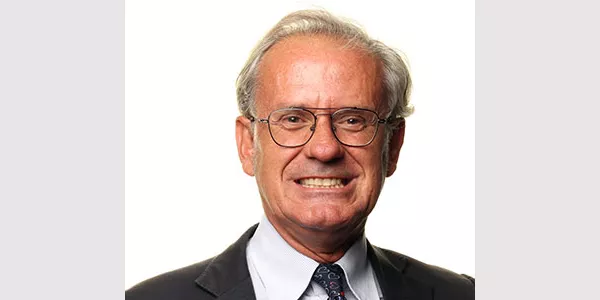
"The high prevalence of CVD and diabetes provides a compelling reason for early assessment and screening, and when appropriate, the implementation of evidence-based management to slow down and prevent diseases", Prof Cosentino said. "In the context of the forthcoming EU Cardiovascular Health Plan, the expert group is developing putative language for future European Council Recommendations on cardiometabolic health screening."
"An agreed definition of what such health checks should entail is crucial", he added. "Our ambition is to support the European Commission by providing clear and actionable recommendations on what should be screened and when."
Decisions on how to deliver these checks would be for national authorities to make, but most of the tests could be implemented by nurses or primary care clinicians. For the moment, the focus is on agreeing high-level advice that could drive discussions among national health ministers at European Council level.
"We have looked at the example of the EU Beating Cancer Plan and subsequent recommendations that followed that", he said. "Council recommendations have to be very short and practical. Then it’s up to Member States to implement it based on their health systems."
Several European countries already provide some cardiometabolic health checks. The goal now, as the EU begins to write a new chapter in cardiovascular health, is to strive for high levels of evidence-based care for people across Europe.
Greece embarks on landmark screening drive
Cardiovascular disease is the highest cause of mortality in men (31% of deaths) and women (34%) in Greece. CVD is also responsible for a significant economic burden of more than €4.3 billion, almost half of which is due to healthcare costs.
This year, the Greek government embarked on a major cardiovascular screening campaign which aims to test 5.5 million people. The initiative, which has already screened 3 million individuals, is part of a wider focus on preventative healthcare known as Prolamvano (which means 'I prevent' in Greek). The broader screening programme includes testing for breast cancer, cervical cancer and colon cancer.

Step-by-step to better health
The Prolamvano programme for cardiovascular disease tests includes a free doctor's visit and comprehensive blood tests for cholesterol, blood sugar, and other markers like lipoprotein(a). Blood tests are conducted at public hospitals, university hospitals and in the private sector. At the second step, GPs or cardiologists calculate a risk score to determine which patients are at highest risk. Next, in case of findings, a cardiological examination for the presence or absence of coronary artery disease is conducted. In cases where suspicious findings arise, stress testing is then carried out to diagnose or rule out coronary heart disease, followed by coronary angiography, if required.
"We included public and private providers because we wanted to screen millions of patients over a short period, focusing on those at highest risk", Prof. Toutouzas explains. "In future, we would like to continue the screening initiative, extending it to those at intermediate risk."
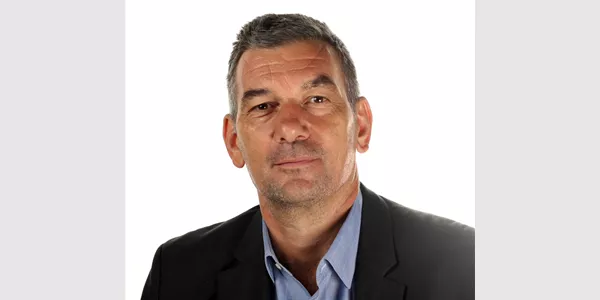
"We included public and private providers because we wanted to screen millions of patients over a short period, focusing on those at highest risk", Prof. Toutouzas explains. "In future, we would like to continue the screening initiative, extending it to those at intermediate risk."
A culture of prevention
As well as directly helping thousands of people who have been identified as being at elevated risk, Prolamvano is shifting attitudes to preventative care among the public and policymakers. Millions of people who would otherwise not have been screened now have experience and knowledge of primary prevention. For political decision-makers, the economic analysis that will be conducted at the end of this year’s programme could shape future diseases on how to manage resources.
"We want to change the culture towards greater focus on prevention programmes", says Prof. Toutouzas. "We hope to prevent cardiovascular events, which will also avoid spending on hospital treatment. We hope colleagues within the ESC will take an interest in these programmes – we would be happy to discuss the outcomes with colleagues in the future."
While the screening drive is due to conclude at the end of 2025, the Hellenic Society for Cardiology will continue to advocate for the expansion of primary and secondary prevention across Greece with a view to containing expenditure and, above all, saving lives.