


Millions of Europeans are affected by cardiovascular, renal or metabolic conditions at the same time. The problem is that many are unaware of this. That is why early detection and screening is so important, says Prof. Francesco Cosentino, former Vice-President of the European Society of Cardiology.
‘It is crucial to diagnose people as early as possible to prevent serious, life-threatening complications,’ he says. ‘Establishing a joint cardiovascular and diabetes health check at primary care level is a quick and inexpensive way to protect patients and to deliver cost-savings to our societies. We cannot afford to ignore it.’
Prof. Cosentino is Co-Chair, alongside Dr. Maddalena Lettino, of the Task Force that published new Recommendations on cardiovascular-renal-metabolic health checks. Drawing on experts from cardiovascular health, kidney health, diabetes and obesity, the group has set out specific risk factors that should be rolled out for adults in all 27 Member States. The Recommendations were submitted to the European Commission which, building on the EU Safe Hearts Plan, will propose a Council Recommendation on health checks for cardiovascular disease later this year.
What’s in the Recommendations?
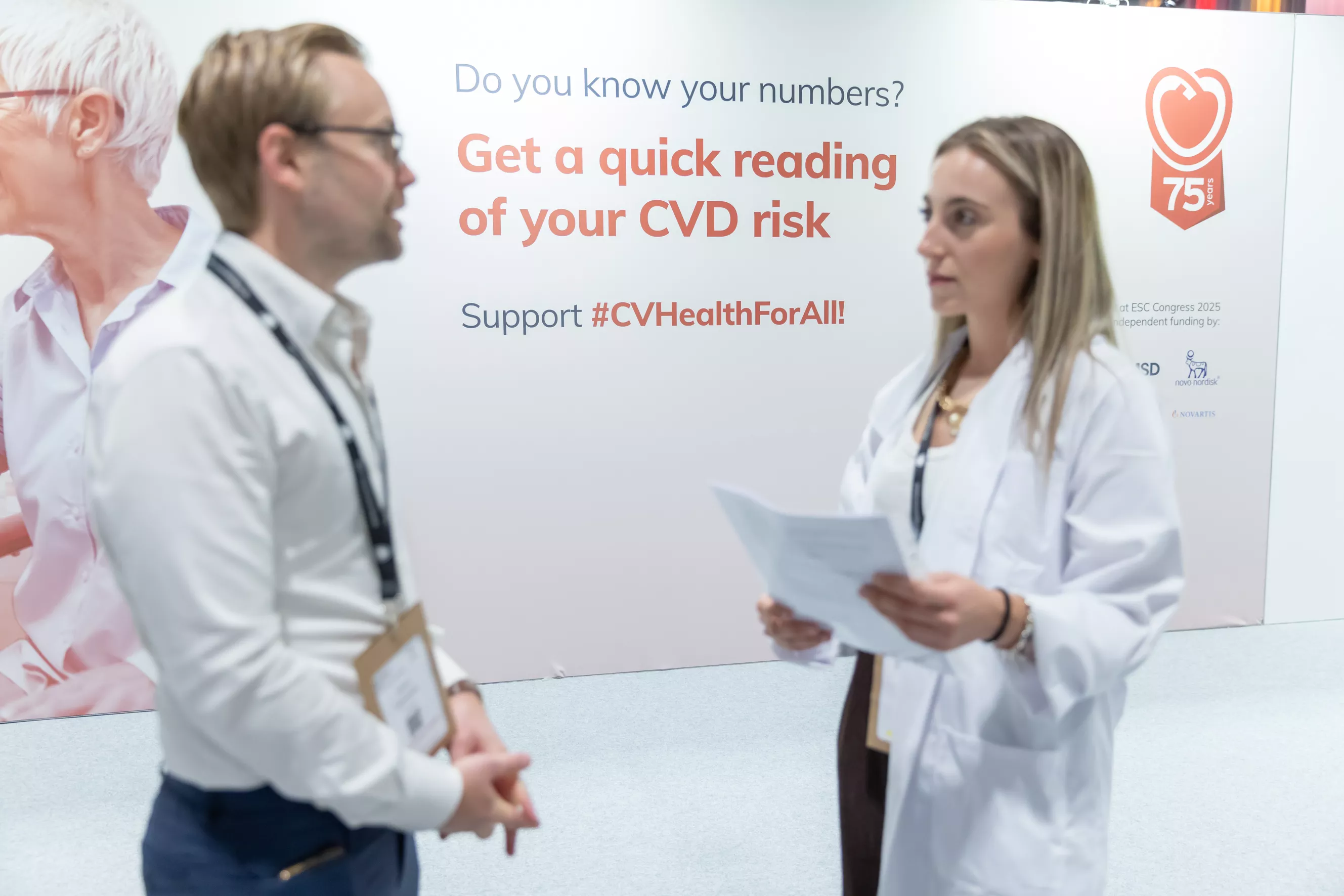
‘There are two parts to the health check: risk and clinical assessment,’ he explains. ‘First, we propose evaluation of lifestyle and health behaviours, and second, measurement of cardiovascular risk factors including blood pressure, full lipid profile and detection of diabetes and pre-diabetes. Overall it’s a simple assessment that provides clinicians with an incredible amount of information.’
A pragmatic approach
The broad range of European scientific societies that shaped the document adds to its political weight, as well as its prospects for swift adoption. Dr. Waqas Tahir, a GP in the United Kingdom who represented the European Diabetes Forum on the Task Force, says the group was conscious that their advice should be clear and easily implemented by primary care teams.
‘By bringing together experts in cardiology, diabetes, nephrology and obesity, we can combine the essential risk factors into a comprehensive set of checks,’ he says. ‘It was important to take a holistic approach to care and to think about the individual who will be offered a cardiometabolic health check.’
This, he adds, is better value for health systems and logistically easier to implement than asking patients to attend for separate cardiovascular and diabetes screening. ‘What we tried to do was to frame cardiometabolic healthcare in a way that is focused, feasible, and fit for purpose,’ Dr. Tahir says.
The Recommendations cover a wide range of factors and include the individual’s clinical and family history along with a set of measurable risks. However, the Task Force was determined for the checklist to be ‘targeted but not exhaustive’. ‘To ensure policy uptake, we must be realistic and politically viable,’ he says. ‘A longer checklist might hinder adoption.’
It was also important that the document be short and actionable, with ‘policy-ready’ language that can be translated into national and local contexts. Regional or national authorities may, according to the needs of their populations and the capacity of their health systems, add further tests to the core set included in the Recommendations.
Building on momentum
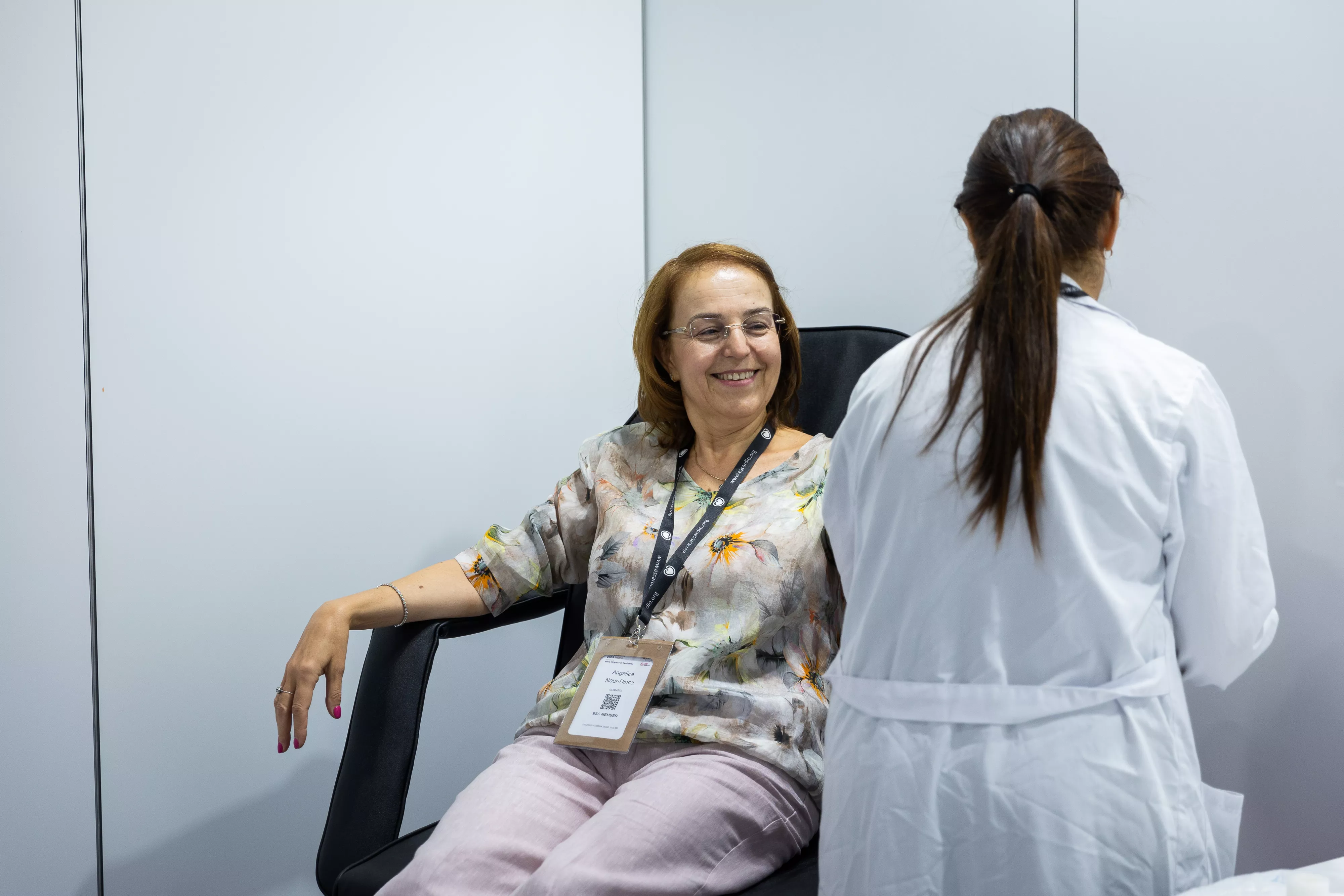
The idea of systematic cardiovascular health checks has been on the agenda for several years. The ESC’s Advocacy Committee has long campaigned for EU-level leadership on this topic, consistently highlighting cardiovascular diseases as the number one cause of death in Europe. Now, however, there is unprecedented political momentum behind this policy push. The EU Safe Hearts Plan resulted from a concerted effort among stakeholders and puts prevention in the spotlight. Just as Europe’s Beating Cancer Plan did for oncology, the Safe Hearts Plan has the potential to mobilise politicians and resources in ways that would otherwise not be feasible. The Beating Cancer Plan in 2021 was followed by Council Recommendations on cancer screening in 2022. By taking this high-level approach, while leaving implementation and funding decisions to Member States, the EU can set high standards, reduce equity gaps and allow flexibility to adapt to local needs.
Dr. Maddalena Lettino, a member of the ESC’s Advocacy Committee and co-chair of the Task Force that devised recommendations on cardiometabolic testing, says the Cancer Plan shows what can be achieved when clinicians and patient advocates come together.
‘We focused on prevention and early detection of disease, while making our recommendations feasible and sustainable,’ she explains. ‘We’re asking for the simplest things that can be implemented everywhere with limited need for healthcare resources. In this way, it is similar to the Cancer Plan.’
This approach, largely delivered at primary care, is more likely to be acceptable to healthcare professionals and to the public. The involvement of a wide range of stakeholders, with input from patients, will also help to achieve widespread buy-in if the Recommendations are translated into national and regional policy.
‘The collaboration has been very productive,’ says Dr Lettino. ‘It’s a good example of how distinct organisations can cooperate towards a common objective. By working together, we can make real progress.’
That progress will take time, she adds. ‘We don’t expect significant results for several years, but I hope the impact will be very large once we reach all European citizens,’ she says. ‘I would expect to see further prolongation of life, but also, by preventing debilitating disease, we can aim for a better quality of life.’
Task Force Members
European Society of Cardiology, European Association for the Study of Obesity, European Diabetes Forum, European Heart Network, European Kidney Health Alliance, European Renal Association, International Diabetes Federation (Europe), EU Joint Action on Cardiovascular Diseases and Diabetes (JACARDI).

