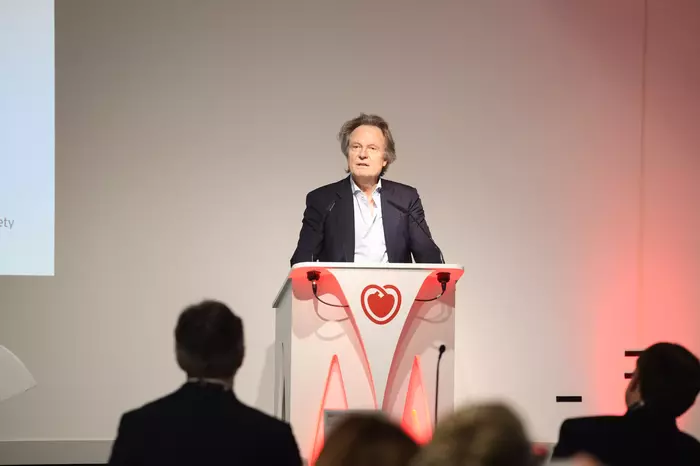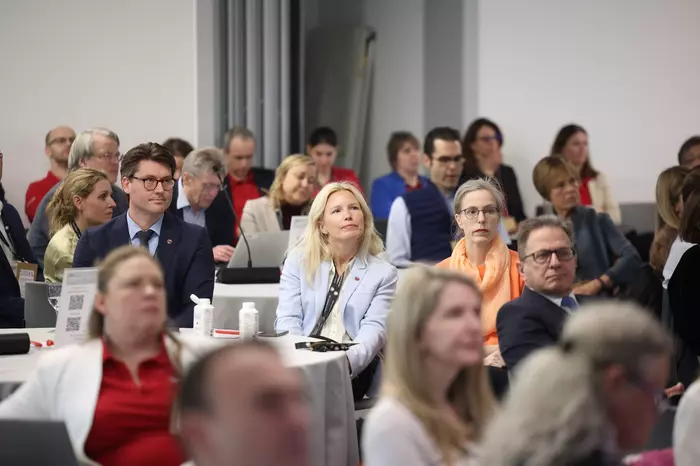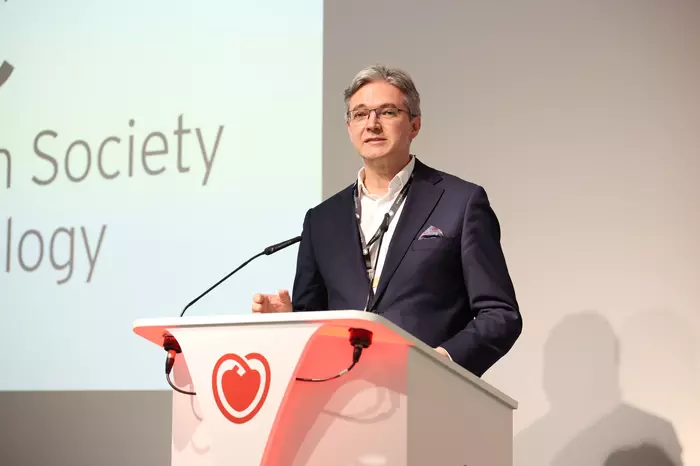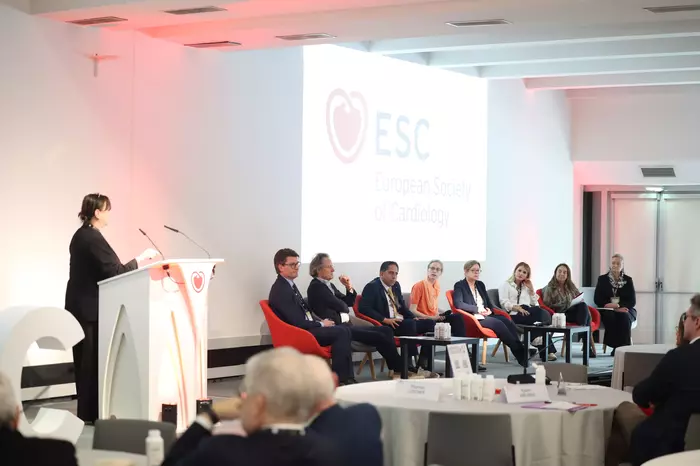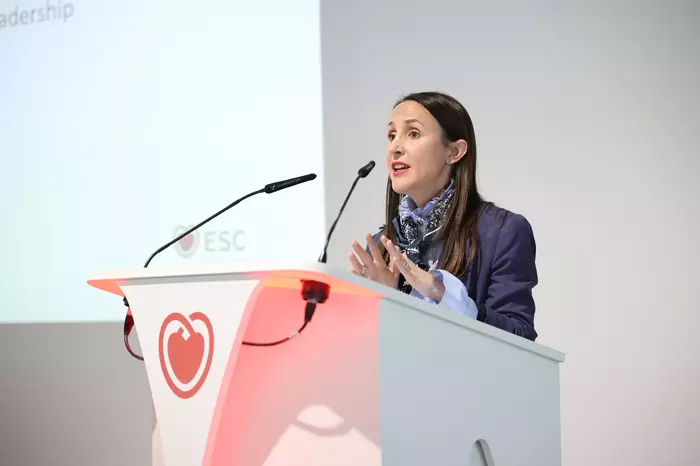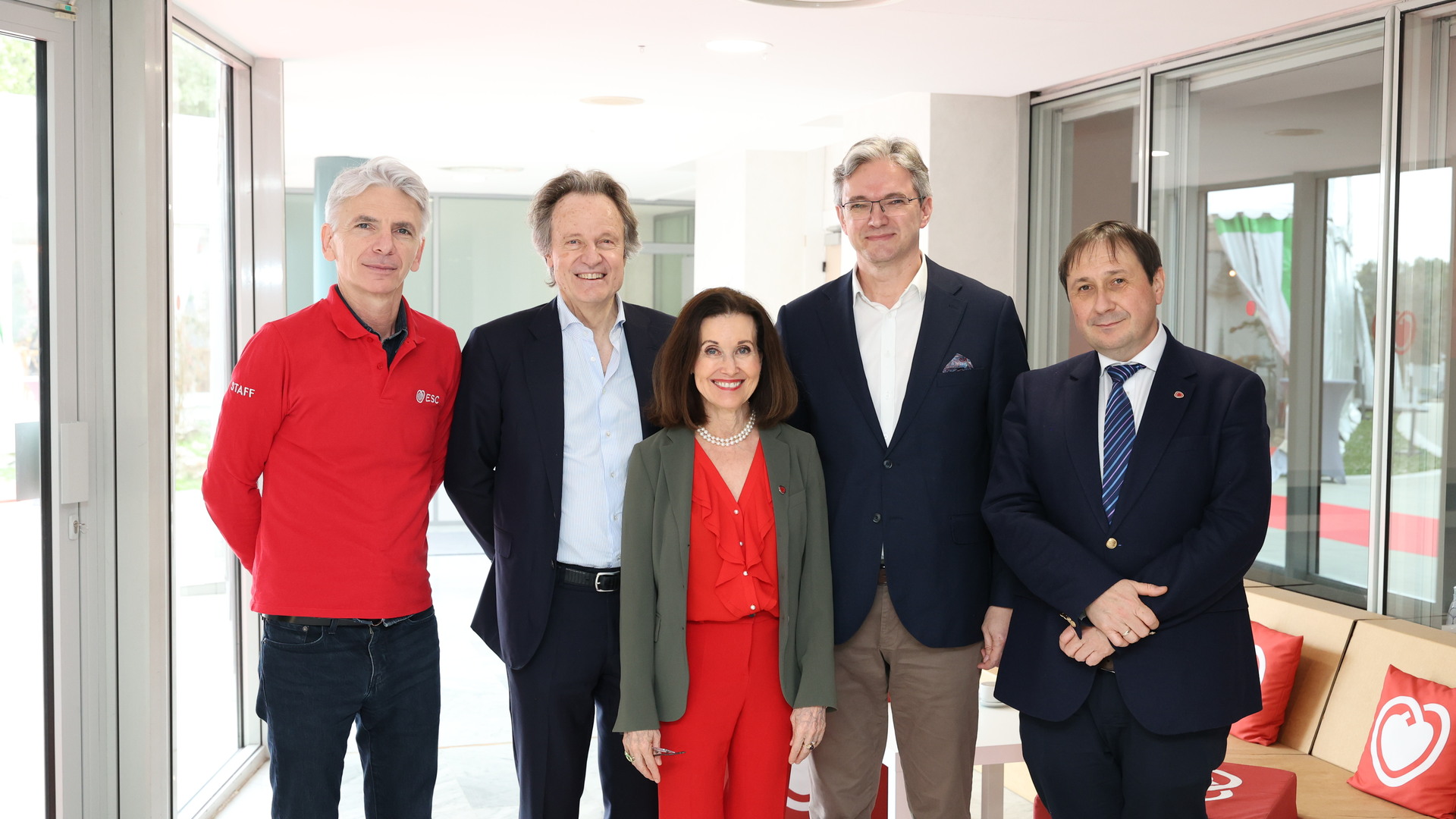
The ESC Spring Summit 2026 brought leaders from across the cardiovascular community together on 5–6 March here at the European Heart House. Over two days, representatives from National Cardiac Societies, scientific leaders across all cardiology disciplines and ESC Patient Forum members gathered to exchange insights and shape the future of cardiovascular health across Europe and beyond. For the first time we were also delighted to welcome MEP and Chair of the Health Committee, Mr. Adam Jarubas, underlining the importance cardiovascular health is taking in the political arena.
This year’s theme, “Towards a Global Cardiovascular Health Plan: Tackling Obesity, Ageing and Environment”, set the tone for a forward looking, collaborative, and deeply human conversation about how everyone within the ESC community can leverage the momentum of the EU Safe Hearts Plan to drive action at a national and European level.
A Shared Mission for a Changing World
Sessions focused on three of the most pressing cardiovascular challenges, including obesity, ageing populations, environmental determinants of health, and the rapid rise of AI driven tools in medicine. During breakout sessions, participants were invited to reflect not only on clinical priorities but also on broader societal forces shaping cardiovascular outcomes.
Prof. Thomas F. Lüscher emphasised the importance of staying close to the science while working together with national societies and policymakers. “As a community, we must ensure that cardiovascular science translates rapidly and effectively into meaningful improvements for patients. At the Spring Summit our member National Cardiac Societies and leaders from across cardiology disciplines talked together about how we can accelerate that progress, and why timely, evidence- based communication remains essential.”
Advancing National Cardiovascular Plans
A core thread of the Summit was the collective push to strengthen national cardiovascular health strategies. Discussions centred on the newly introduced EU Safe Hearts Plan, a framework designed to support the creation and evolution of national CVD plans, improve prevention, increase healthcare access, and harmonise approaches across regions.
Prof. Cecilia Linde spoke about the importance of addressing inequalities across Europe. “The Spring Summit highlights the importance of equity in cardiovascular care. Differences across countries – geographic, economic, structural – remain greater than we often acknowledge. By working together, sharing data, and supporting national societies, we can create health systems that truly serve every patient.”
Policy in Action: Country Perspectives
Real-world experiences were shared by representatives from several countries, highlighting opportunities and challenges on the ground. Case studies from nations such as Poland, illustrated how targeted actions can lead to measurable improvements and offer replicable frameworks for others.
Prof. Susanna Price, Chair of the ESC’s Advocacy Committee, encouraged societies not to hesitate in taking their first steps. “National cardiovascular health plans are powerful tools when paired with real-world experience. Several countries have shown that progress is possible. At the summit, we emphasised that countries beginning this journey do not start from zero and that the ESC community stands ready to support them with evidence, guidance and shared learning.”
Delegates also explored practical tools available to support national level advocacy and decision making. These include the ESC CardioPolicy Group, which provides personalised guidance and peer to peer learning and the ESC Atlas of Cardiology, offering high quality comparative data (the 5th edition of Atlas is coming soon – watch this space!)
Prof. Lüscher concluded: “Above all, ESC Spring Summit is a fantastic gathering of all the ESC’s constituent bodies – National Cardiac Societies, Associations, Working Groups and Councils. There are great presentations, stimulating discussions and the chance to meet with friends and colleagues; it is this great collective that forms the ESC family and whose unified power enables us to make progress for cardiovascular medicine and our patients.”