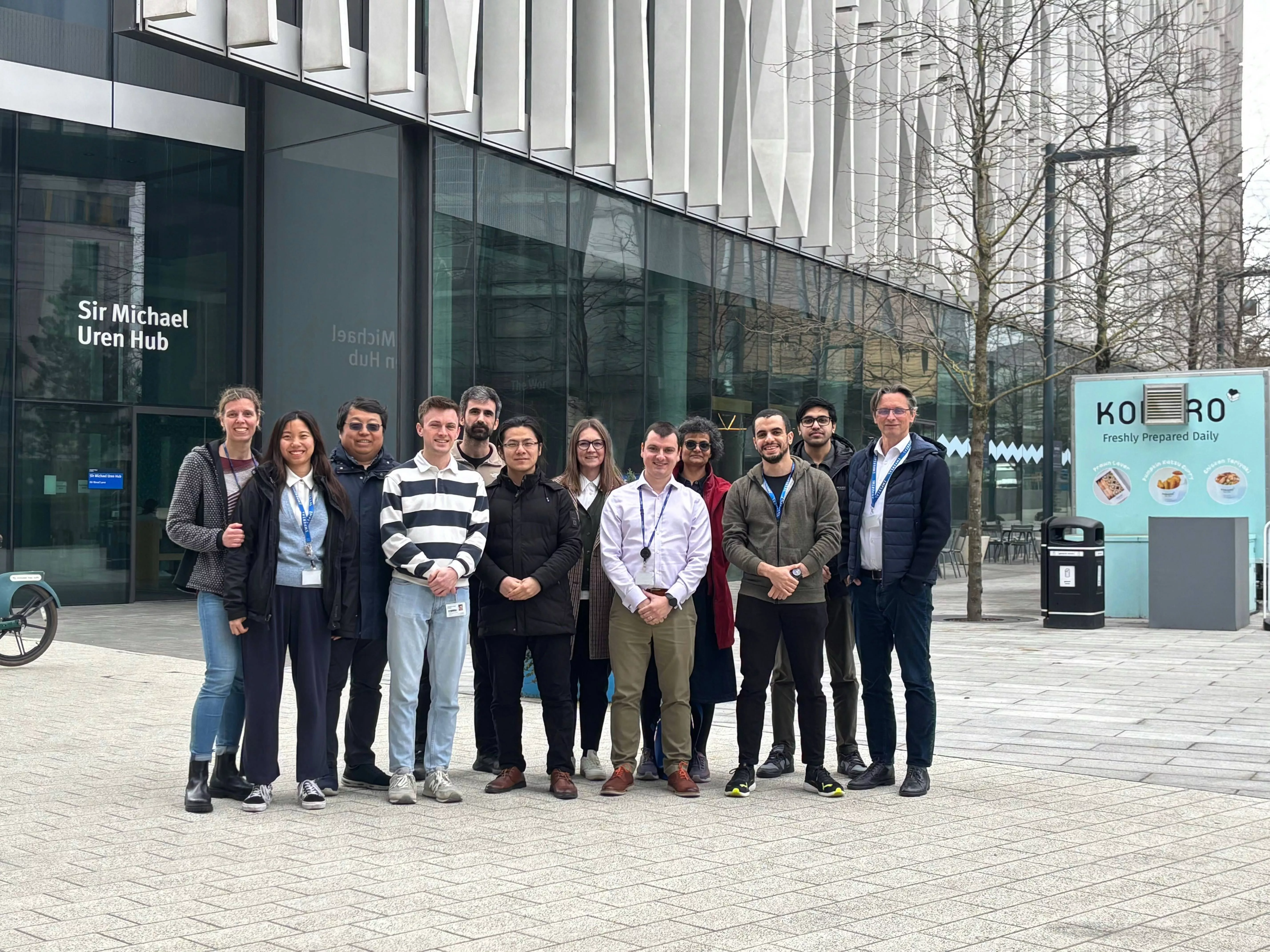
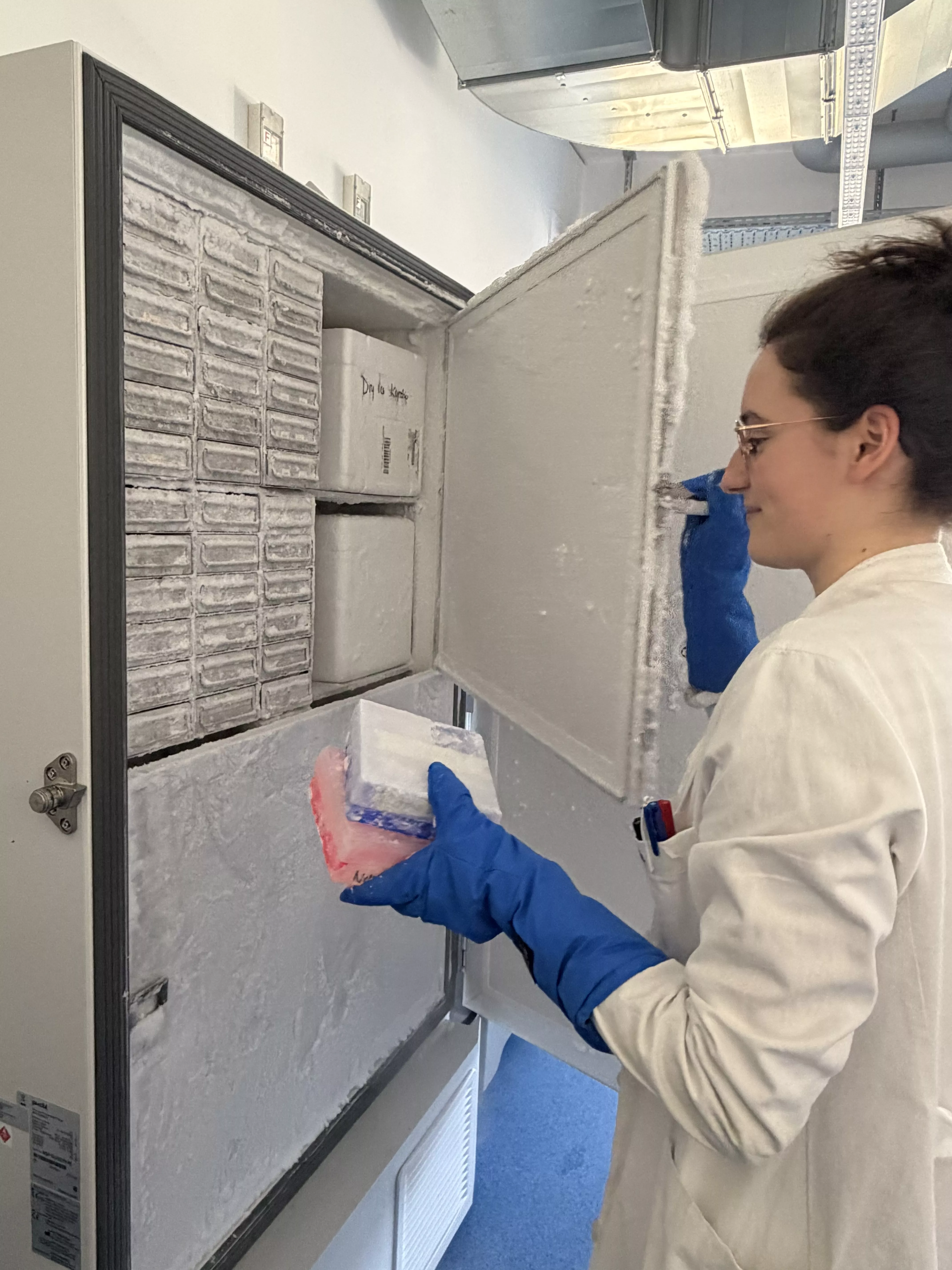
The next generation of cardiovascular researchers have until 16 March to apply for a once-in-a-lifetime training experience at a top European lab. Fifty early career clinicians or scientists from around the world will be selected to spend a week learning from experts in France before a two-week hands-on placement in a leading lab later this year. And, thanks to the new ESC Fund, the course is free, with travel and accommodation supported by grants.
ESC Fund is distinct from the ESC, but shares a commitment to social impact and equitable access to information and training. ESC Fund collaborates with other philanthropic organisations to close gaps in key areas of cardiovascular health and bring meaningful benefits to healthcare professionals and patients.
The breakthrough programme in Basic Science is ESC Fund’s first project and offers participants the skills, experience and mentoring they need to catalyse their cardiovascular research careers. Along with scientific knowledge and a chance to work in centres of excellence, successful applicants will emerge with fresh inspiration and a network of future innovators.
Closing the knowledge gap
So why was Basic Science the first priority for the ESC Fund? The challenge, according to Professor Cinzia Perrino of Federico II University in Naples, arises from the declining interest in basic research among clinicians. Prof Perrino has co-authored a European Heart Journal paper on the challenges this presents for cardiovascular care.
‘There is a knowledge gap between those who treat patients and those who do fundamental research,’ Prof Perrino explains. ‘This means clinicians are applying the results of basic cardiovascular science and clinical trials every day, even if sometimes the precise underlying molecular mechanisms of action are not completely known.’
It’s a double-edged sword: lab scientists working on the foundational research which underpins clinical breakthroughs are increasingly remote from patients, says Professor Paul Evans, Queen Mary University of London, and a co-author of the EHJ paper. ‘As scientists, it’s really important to understand the problems that your basic research is addressing,’ he says. ‘Meeting with clinicians and hearing about the problems they face every day is hugely beneficial.’
Prof. Perrino and Prof. Evans are co-leading the programme which kicks off in Nice on 10 June 2026. Each brings their own expertise from the clinic and the lab, respectively, to ensure the course bridges the widening gulf between the bench and the bedside. The course, which has strong support from ESC leadership, builds on the ESC Council for Basic Science Summer School – elevating it to include more participants from more countries over a longer period. A total of 150 emerging researchers will be selected in the next three years.
Reversing a trend
The need to build closer links between cardiovascular researchers can be seen in abstracts submitted to ESC congresses. There has been a decline in basic science submissions from ESC countries over the past four years, while the number of case reports submitted has surged. This shift may reflect a downturn in fundamental science within the cardiovascular community.
‘We’re seeing changes to how students, fellows, residents and postdocs are trained,’ says Prof. Perrino. ‘There has been a switch away from mechanism-based learning through which students focus on pathophysiological mechanisms before moving to clinical medicine. Now students are learning about the effects of drugs and devices but without a deep understanding of the underlying mechanisms.’
Changes to clinicians’ career paths are adding to the strain between fundamental and applied science, with fewer trainees pursuing research.
‘When I trained to be a cardiologist, we spent time in the lab and were exposed to basic research,’ Prof. Perrino notes. ‘Now very few clinical trainees have practical laboratory experience, and therefore cannot fully understand what research entails or determine whether it aligns with their interests and aspirations.’
The immersive experience provided by this course will enable participants to make a truly informed and deliberate decision about their future academic and professional paths.
Collaborating in a common language
As scientists uncover the genetic, molecular and cellular basis of cardiovascular diseases – and clinical researchers translate this into new therapies and technologies – there is a danger that experts will no longer speak the same language. That could ultimately stem the flow of future innovations. Bad news for patients with unmet needs; bad news for future-focused clinicians and scientists working to make an impact.
The new Basic Science course will fill the space between two groups of cardiovascular experts who are vital to the future of the field. ‘It’s important to develop a common language so that clinicians and basic scientists can spend time in the same room, exchange ideas, and learn to collaborate,’ Prof. Perrino says.
A diverse cohort of promising clinical and non-clinical researchers will be invited to take part, with applications encouraged from low and middle-income countries.
‘It’s a chance to work together, to build relationships, and learn from leading experts in Europe,’ Prof. Evans says. ‘I wish a programme like this had existed when I was building my career.’
ESC Fund hits the ground running
The Cardiovascular Basic Science course, made possible with the support of the Novo Nordisk Foundation, is the first project launched by ESC Fund. Jean-François Riffaud, ESC Chief Executive Officer, says there is much more to come. By working with a wide range of partners, ESC Fund will help to make cardiovascular science actionable and meaningful in any setting.
‘ESC Fund complements our mission,’ he explains. ‘ESC strives for scientific excellence and sets the standards. ESC Fund is about getting that knowledge to the highest number of people – especially those who need it most.’
Mr Riffaud says ESC Fund is focused on inequalities and filling the gaps: ‘For example, there are major geographic inequalities in CVD care in Europe and globally. There are also major gaps for CVD care in women in every country. That’s half the population who are being misdiagnosed and mistreated. At the ESC we don’t leave evidence aside. Through ESC Fund, our goal is to leave no people aside.’
ESC Fund can mobilise resources for impact – not profit – to tackle very real and human injustices. This will include partnerships with NGOs, associations, patients and philanthropists. ‘The journey to beat the world’s biggest killer is not just the job of scientists, doctors, pharmaceutical or device companies,’ Mr Riffaud adds. ‘It’s a fight that belongs to many, not the few and ESC Fund is a home for anyone who wants to join that fight.
Does your organisation share the ESC Fund vision? If yes, contact us so we can work together.