


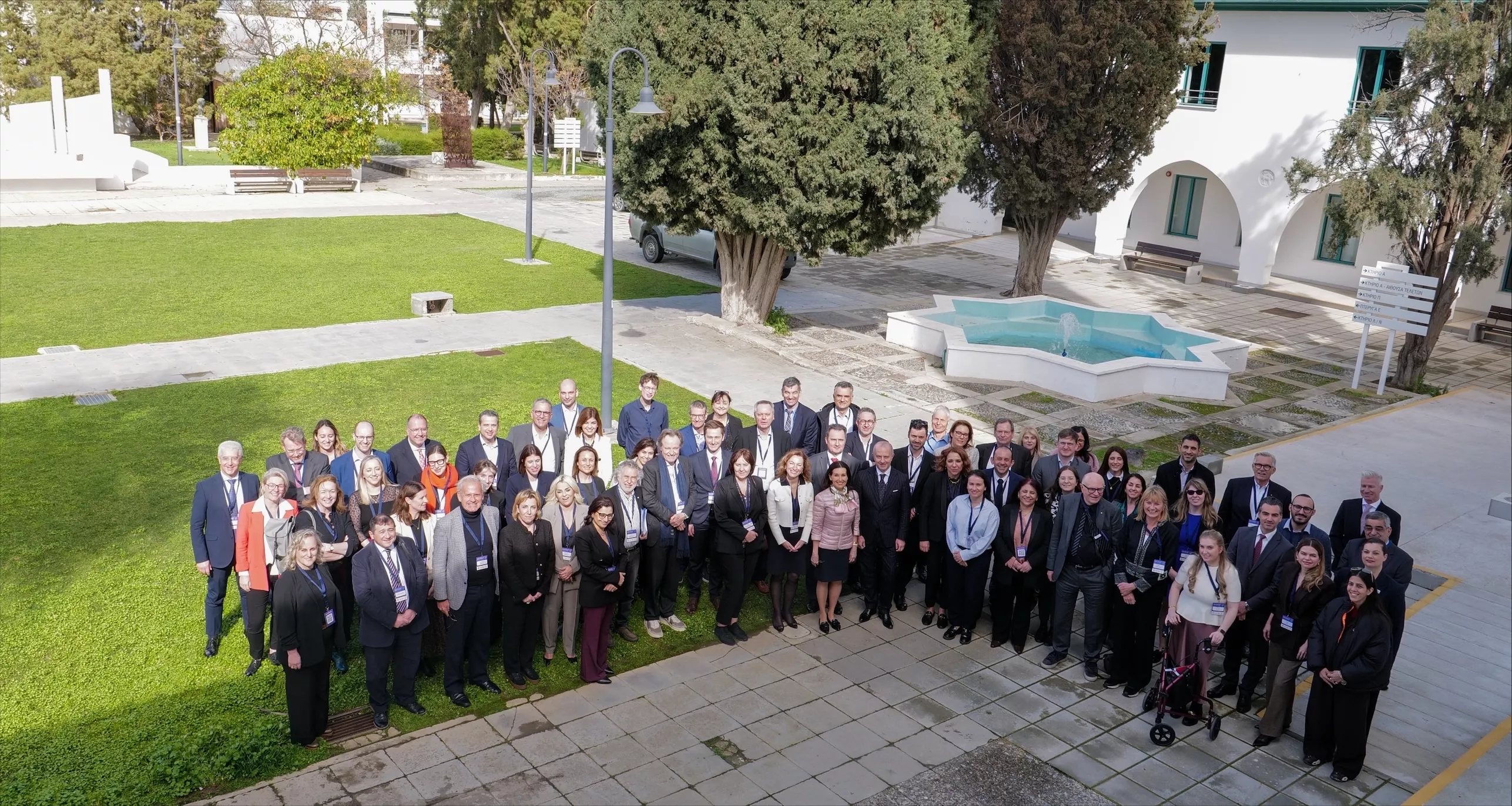
The meeting opened with Cyprus’ Minister of Health, Neophytos Charalambides, who shared a powerful reminder: “The heart is more than an organ – it’s a symbol of life, resilience, and community. By safeguarding our people's health, we also safeguard our countries' resilience.”
The conference heard how trustworthy, validated AI tools can strengthen prevention, improve early and accurate diagnosis, and support more efficient, integrated care across healthcare systems.
With strong governance, harmonised datasets, and clear safeguards, AI has the potential to become a powerful enabler of earlier detection, personalised care, and reduced inequalities.
“You can have a small amount of high-quality data which will be much more valuable than having a huge amount in disconnected systems. To build trust by clinicians and the public, we need clear governance, transparency and shared understanding of purpose. Advanced analytics and AI offers huge opportunities but it is only as reliable as the data and governance that underpin it”, said Professor Susanna Price, Chair ESC Advocacy Committee speaking during the conference.

Cyprus CVD Strategy Prepares for a Digital Future
It’s all action in Cyprus! The country is finalising a National Cardiovascular Disease Strategy, holds the Presidency of the Council of the EU, and hosted a forward-looking conference in Nicosia last week. The event, hosted by the Cyprus Society of Cardiology under the auspices of the Cyprus Presidency, and supported by the ESC, explored how artificial intelligence (AI) and digital tools can advance prevention and equity in heart health.
We spoke to Dr Kyriakos Yiangou, President of the Cyprus Society of Cardiology, about how the national strategy complements the EU Safe Hearts Plan, and the role of technology in closing the gap between aspiration and implementation.
What challenges does Cyprus face in advancing cardiovascular health?
Cardiovascular disease is the leading cause of death in Cyprus. We are not unique in this, but there is more we can do to prevent mortality and morbidity, and to improve access to care. While there have been advances in CVD management, regarding medication and devices, as well as guidelines on prevention, diagnosis and management, there is a gap between strategy and implementation. Right now, when it comes to prevention, we are not as good as we should be.
We have recognised this as a scientific society and as a country. In collaboration with other scientific societies, policymakers, the parliament and the government, we developed a National Strategy for Cardiovascular Disease.
Why is it so important to have a national Strategy at this time?
We see momentum at national level and at EU level. Our national Strategy has been approved and we are moving to the implementation stage.
At the same time, Cyprus has the Presidency of the Council of the European Union which created an opportunity to host a meeting in Nicosia on 18 February to explore national and EU cardiovascular health policy, along with innovation and AI.
What are the features of the Cyprus National Strategy for CVD?
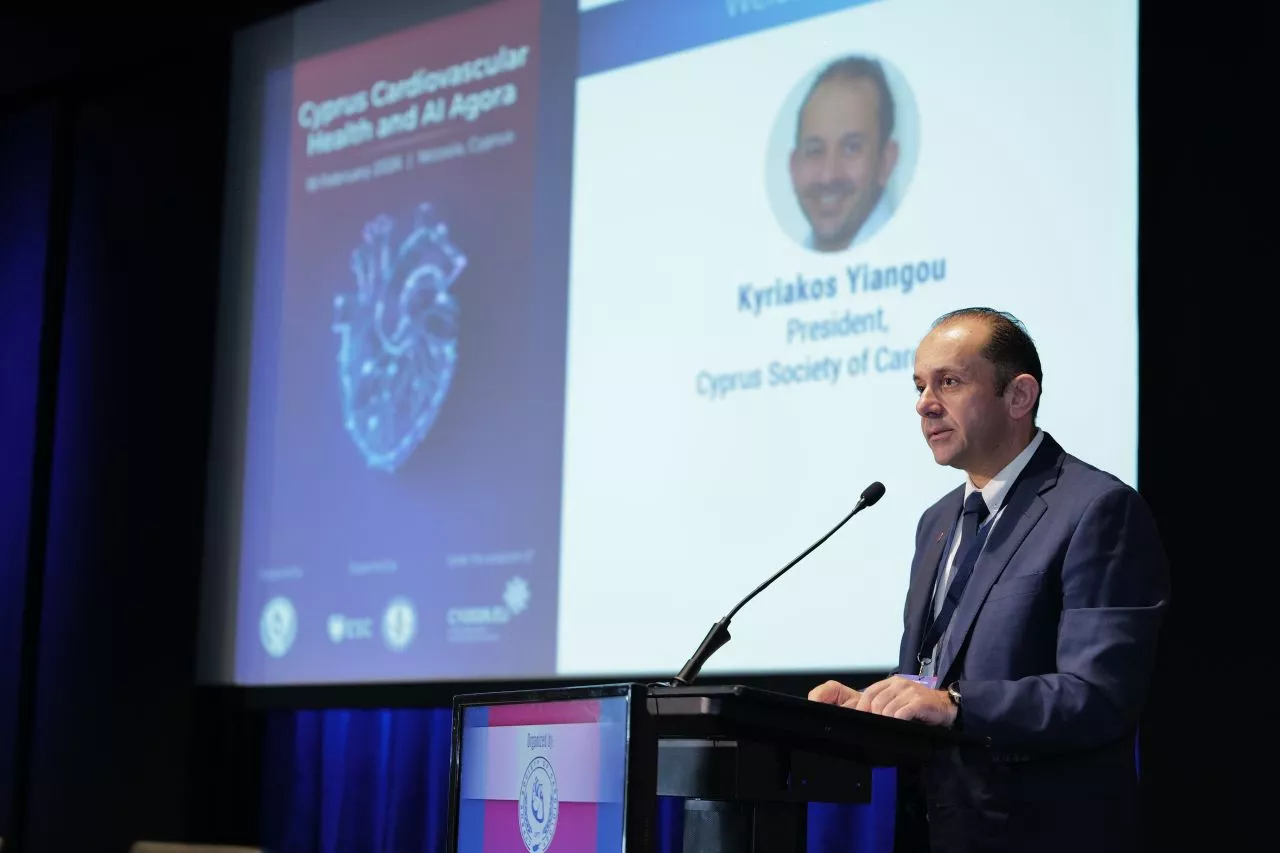
The strategy focuses on four pillars:
- Prevention and early detection;
- Diagnostic approaches and treatment;
- CVD rehabilitation; and
- Research, data collection and innovation.
The latter pillar was developed with input from the Cyprus Digital Health Authority, and the Ministry of Research, Innovation, AI and Digital Transformation.
Is AI specifically mentioned in the Strategy?
Yes, AI is part of our everyday lives and it will become integral to all stages of prevention, diagnosis and management of CVD. This is inevitable, I believe, so we should think about how to use it.
Of course, AI is a tool to facilitate and enhance our efforts in areas like prevention. We should also regulate its implementation, address concerns about its use, and work to overcome barriers. Data protection and transparency are essential.
Is Cyprus a leader in AI and digital health?
Cyprus has the will to enhance its digital health capacity. At the moment, we are learning from other countries – including Estonia, for example, which is quite advanced on digital innovation. The conference in Nicosia was a chance to discuss what others are doing and to identify areas where we need to improve.
We have realised that we, in Cyprus, lack quality data for planning. To help implement our Cardiovascular Strategy and monitor progress, we need to collect credible metrics. AI may help us to address this gap.
We also hope to use AI to identify at-risk populations so that we can protect them at an earlier stage rather than trying to cope with disease later. It all comes back to prevention as a core pillar of cardiovascular health.