


A European Cardiovascular Health Plan, new medicines legislation, forthcoming protocols for health checks – it has been an exceptionally action-packed period for the ESC’s policy teams. However, while cardiovascular disease has been in the headlines in recent months, advocacy is about the sustained effort to build long-term relationships with decision-makers.
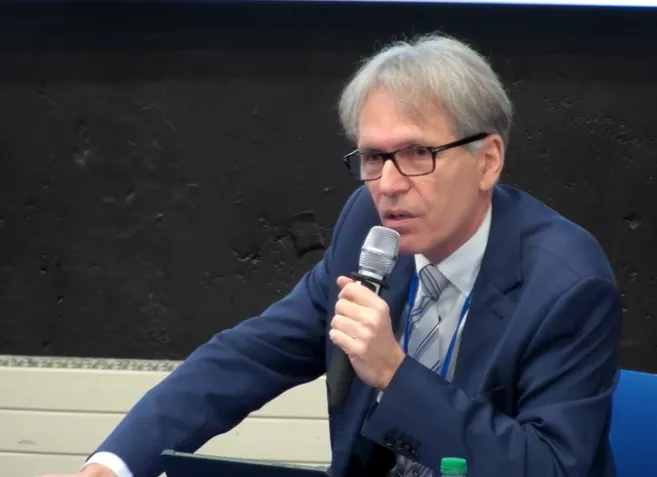
"We remain in regular contact with the individuals who work every day on the issues that matter to us", Prof. Szymanski explains. "It is crucial that these interactions are mutually constructive. We are recognised for the expertise we offer and, as a result, we are able to help inform legislation and, crucially, how it is interpreted in practice."
Ultimately, ESC input seeks to improve patient outcomes and to advance equality in healthcare. "Politicians and lawmakers benefit from our advice as it helps them draft better legislation", says Prof. Maciej Kostrubiec, also Member of the ESC Regulatory Affairs Committee. "The ESC’s consistent advocacy is helping to improve the environment for cardiology and for patients across Europe."
Our advocacy work continues apace, including ongoing discussion on a new protocol for cardiometabolic health checks. And, as set out in the EU Safe Hearts Plan, the ESC will continue to offer support to national societies in developing cardiovascular health plans for their countries.