


Genetic consultation in cardiomyopathies
March 2026

Cardiomyopathies are heterogeneous heart muscle disorders whose classification is based on detailed clinical phenotypes.
Care of patients with cardiomyopathies should routinely include data collection of family history to build accurate pedigrees. While the diagnosis still rests on morphological and functional criteria that are used to define different clinical subtypes, many cardiomyopathies are in fact genetic diseases. Thus, the definition of the specific genetic background beyond a given phenotype is key to profiling prognosis and personalising clinical care.
As a consequence, cardiologists should actively play a role at each stage of the genetic pathway. Phenotyping of patients and their relatives informs decisions on whether genetic testing should be initiated, and supports the prescription of the appropriate genetic test. Subsequently, the interpretation of genetic variants - including negative or non-significant tests, the genotype-phenotype discordance, the return of results to patients, and the tailoring of family screening - are tasks that cardiologists caring for patients with cardiomyopathies should be confident with.
This FOCUS aims to support cardiovascular clinicians in implementing the approach to genetic counselling and testing for cardiomyopathies as described in the 2023 ESC Guidelines for the Management of Cardiomyopathies, favouring the integration of genetic testing into the diagnostic pathways of these patients. Explore these resources, which include congress sessions, webinars, journal articles, textbook chapters, and an ESC eLearning course.


Webinars

Webinar
Principles of genetic testing and variant interpretation in cardiomyopathies
18 Mar 2026 - 18:00

Webinar
Genetic consultation in cardiomyopathies : from test to clinical decision-making
24 Mar 2026 - 18:00
Essentials
ESC Guidelines
2023 ESC Guidelines for the Management of Cardiomyopathies
Genetic testing in dilated and non-dilated cardiomyopathy
When to suspect a genetic cardiomyopathy
How can genetics aid cardiovascular risk management in diabetes?
How should genetics inform the treatment of hypertrophic cardiomyopathies?
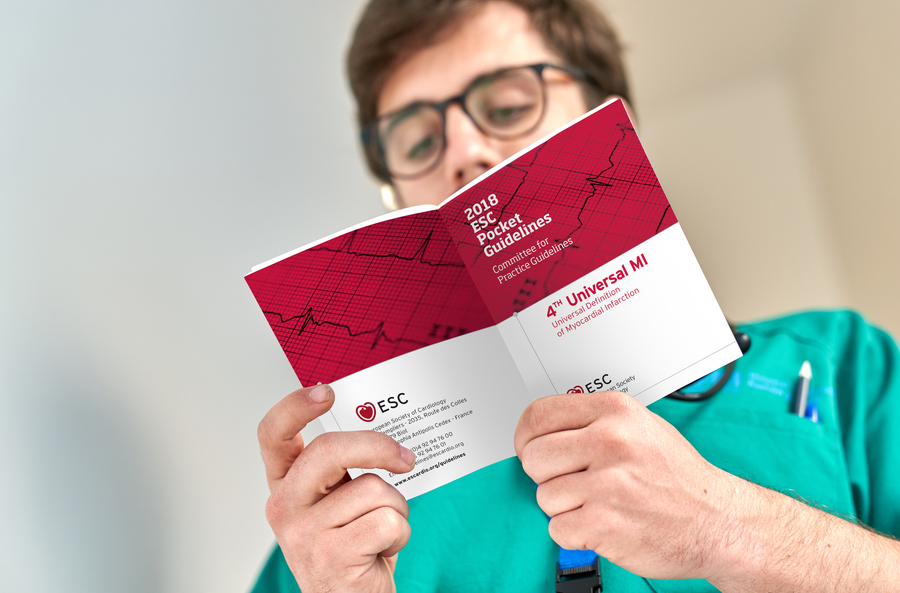

Relevant textbook chapters

Exclusively for members
Dig Deeper
In practice

Webinar
How to read and interpret a genetic testing report in inherited cardiovascular conditions
2 Feb 2026 - 18:00
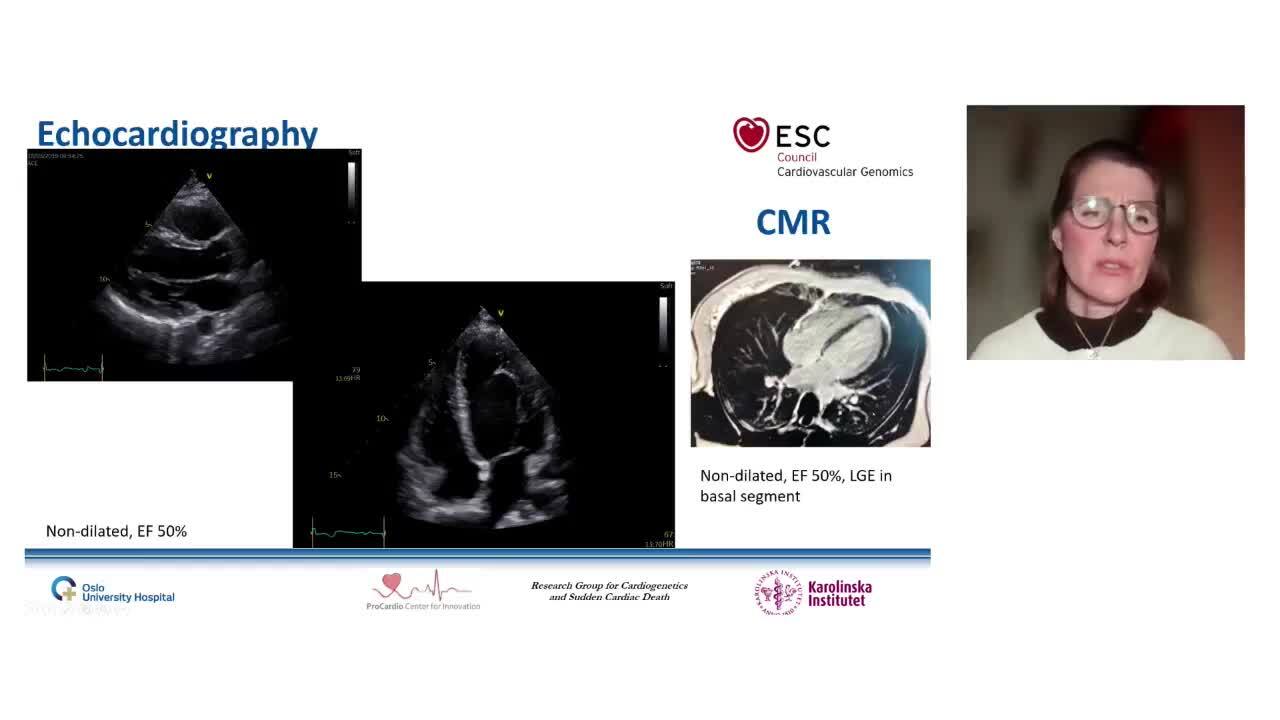
Webinar
Preimplantation genetic diagnosis and pregnancy in inherited cardiovascular disease
21 Feb 2022 - 18:00

Webinar
Primary electrical disorders: between ECG and genes
6 Jul 2021 - 18:00
Interface with the specialists
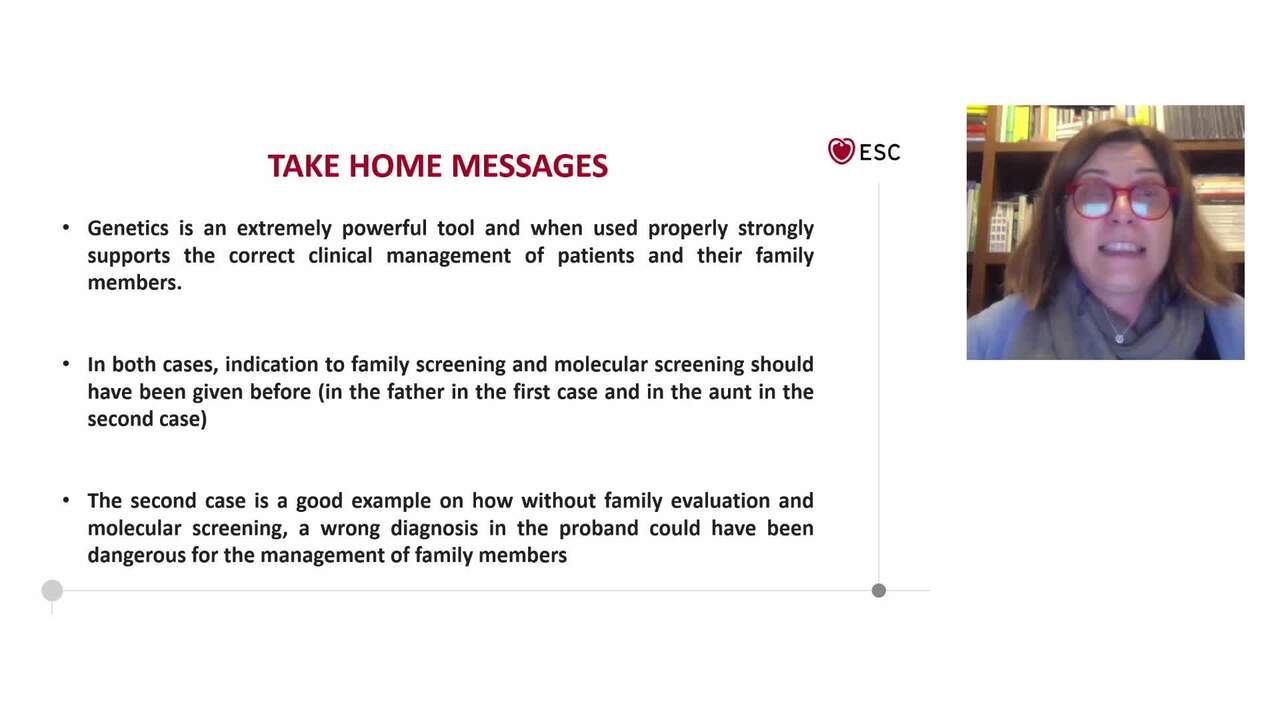
Webinar
Cardiovascular genetics in practice: what to know for today and tomorrow
16 Dec 2024 - 18:00
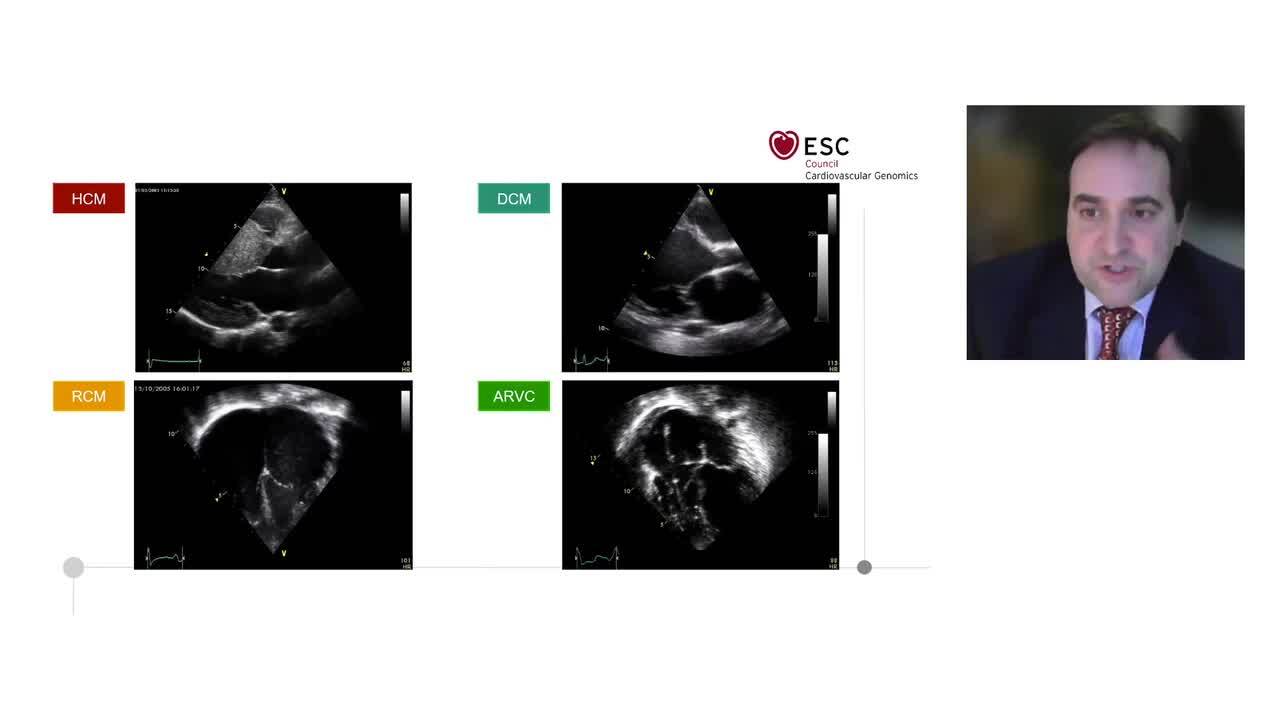
Webinar
Interpretation and actionability of genetic variants in cardiomyopathies
7 Mar 2023 - 18:00

Webinar
Inherited cardiomyopathies: clinical and genetic updates
13 Jan 2022 - 18:00
Pioneers' viewpoint
Webinar
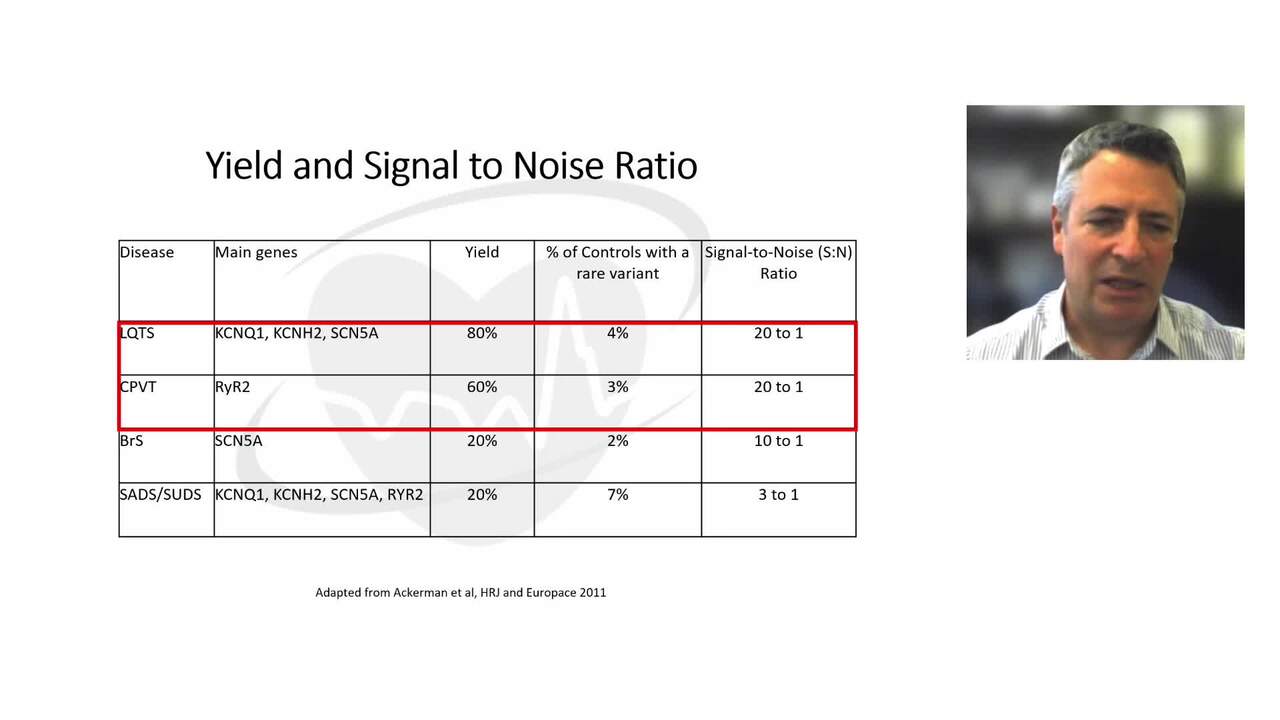
What is genetic variation and how does it cause cardiac disease?
27 Jun 2024 - 18:00
Webinar
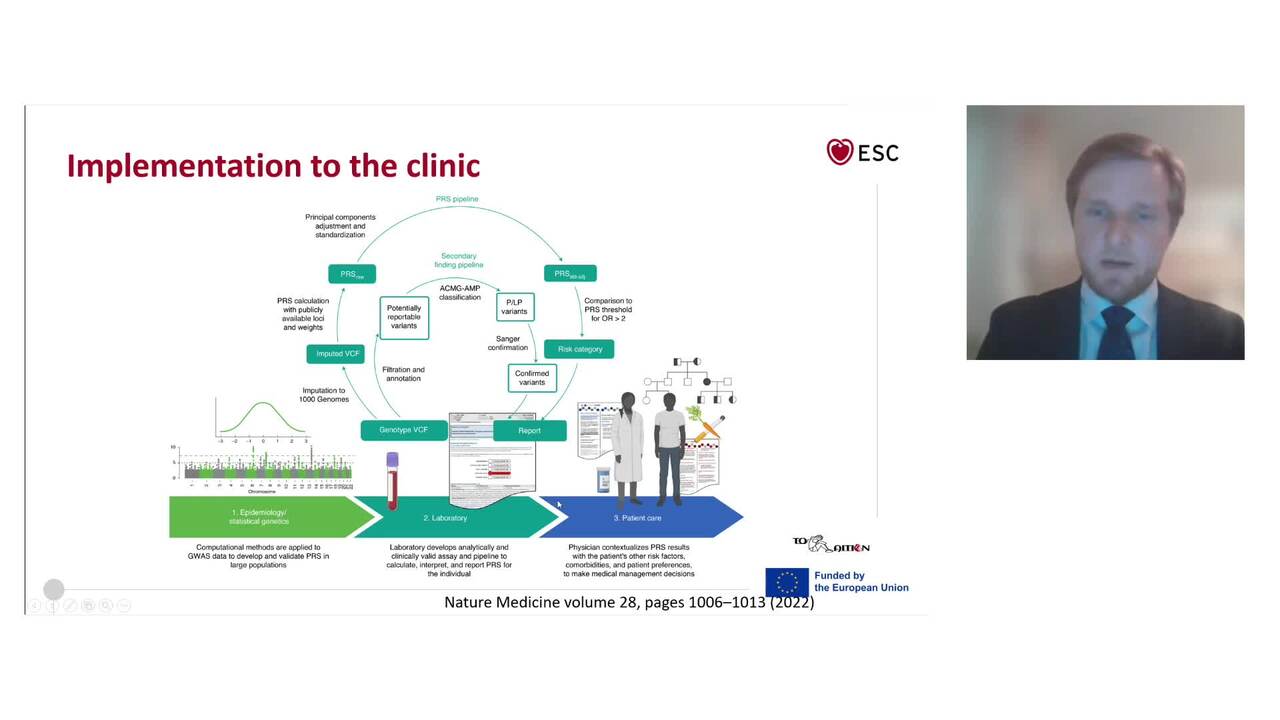
Genomics of cardiovascular risk factors
13 May 2024 - 18:00
Test yourself - eLearning courses

e-Learning Course
Genetics
29 Feb 2024 - 07:00