AortiCare
Patient pathways for aortic stenosis care
How will AortiCare enhance clinical practice?
- Increase knowledge and confidence in diagnosing and referring patients with aortic stenosis.
- Provide insight into the vital role of Valve Clinic Coordinators (VCCs) and how nurses can progress their careers to attain these key positions.
- Advocate the value of a collaborative, multidisciplinary approach to aortic stenosis care that brings faster, more efficient, and patient-centered solutions.
Trending - Latest AortiCare News
Enhanced education to improve aortic stenosis patient pathways: the AortiCare programme: Dr. Fabien Praz (University of Bern, Bern, Switzerland), Dr. Bettina Hoejberg Kirk (Rigshospitalet - Copenhagen University Hospital, Copenhagen, Denmark), AortiCare Organising Committee and Taskforce
The article highlights persistent underdiagnosis and undertreatment of severe aortic stenosis despite effective therapies. The AortiCare programme, an ESC and ACNAP initiative, aims to improve patient outcomes by enhancing education, streamlining diagnosis and referral, and standardising care pathways across Europe.
AortiCare Toolkit - Coming soon!

eLearning Course
This eLearning journey demonstrates how to diagnose aortic stenosis to build confidence among primary care physicians, nurses and allied professionals. Learn at your own pace and earn CME credits with our eLearning course designed to fit your schedule.
The course covers:
- Aetiology & pathophysiology of aortic stenosis
- Clinical presentation and initial assessments and diagnostics
- Management and follow-up
- Referral pathways and scope of roles
- Follow-up care post-intervention
Free for everyone

Webinars on demand
Expert-Led Webinars, Available Anytime, Anywhere
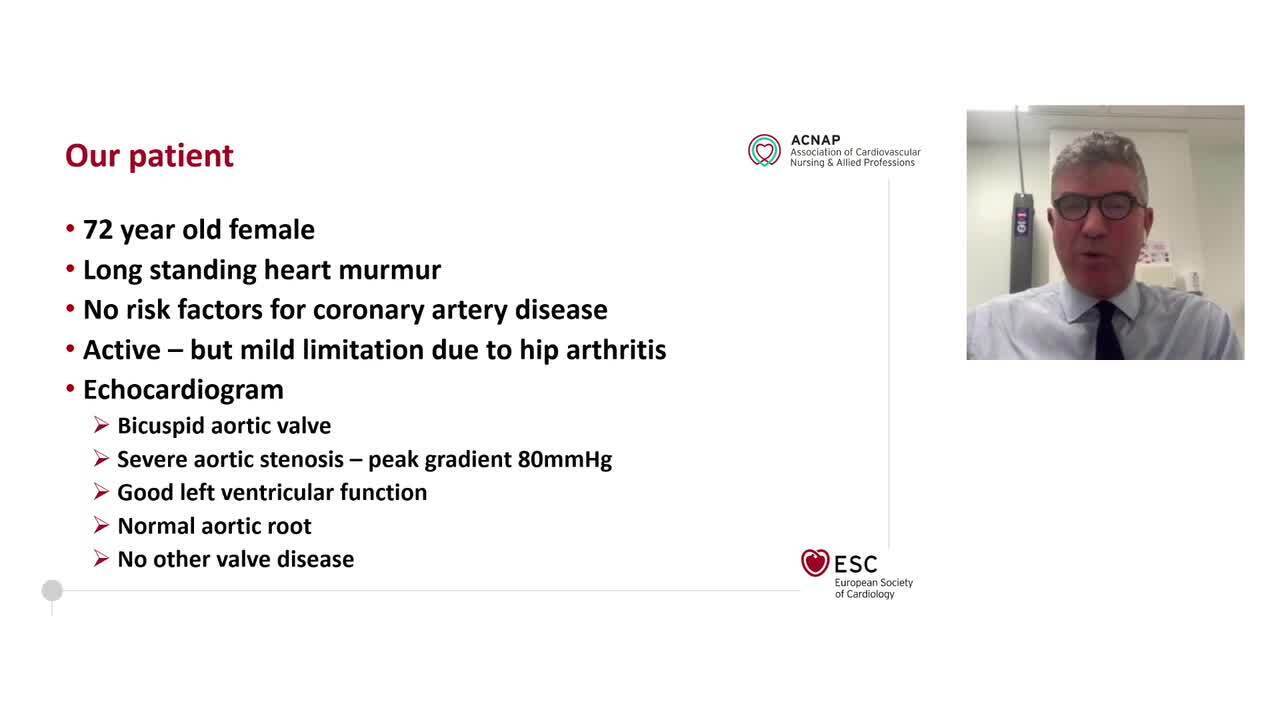
Spotlight on aortic stenosis: raising awareness to enhance detection and diagnosis
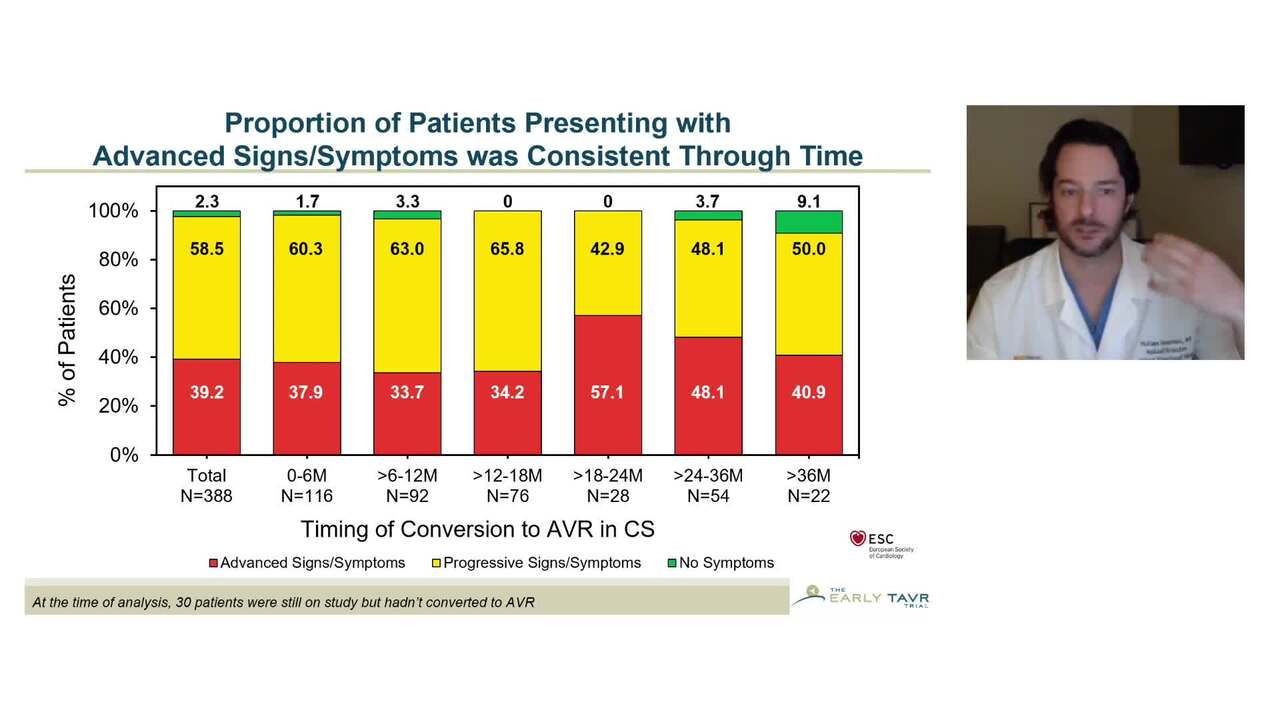
Unlocking the future of aortic care: clinical insights from trials and registries
Addressing undertreatment in aortic valve disease: bridging the gap for women and the elderly
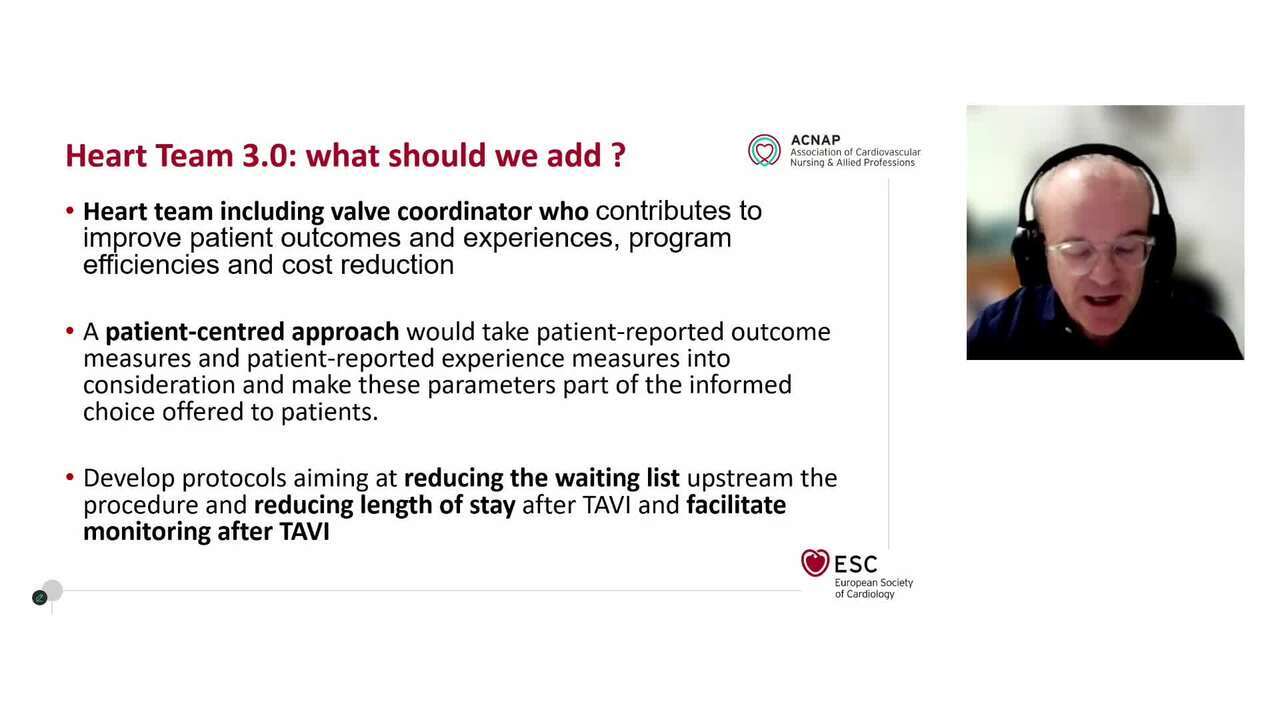
Optimising TAVI outcomes: the ideal valvular heart team structure and role of the valve coordinator
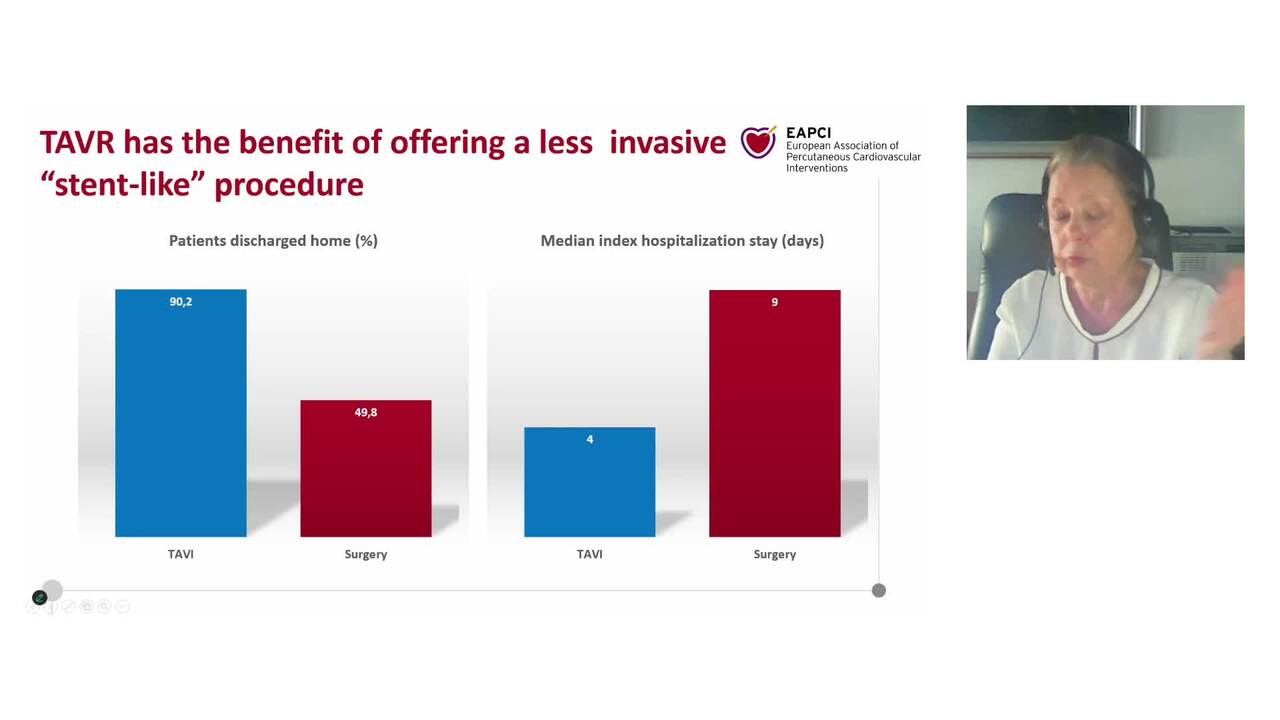
The EAPCI Journal Club - RHEIA trial: transcatheter vs. surgical aortic valve replacement in women with severe aortic stenosis
Fast Facts
Raising Awareness, Saving Lives
AortiCare is also about awareness raising, so here are some fast facts – please share in your institution.
- Aortic Stenosis is a growing concern, especially in those over 75 years of age
- Delayed treatment and complex co-morbidities significantly increase mortality
- Low detection rates, lack of symptom awareness, and long referral processes can delay diagnosis and treatment for months.
- Early intervention, particularly through valve replacement, is critical to improving patient survival.
- Valve Clinic Coordinators (VCCs) in specialised heart valve teams streamline the patient care pathway to improve efficiency and patient outcomes.
- VCCs support a standardised care approach that ensures every patient receives timely and effective treatment.
- Timely identification, efficient referral processes, and seamless coordination between healthcare providers is the key to improving patient care and outcomes.

Thank you to our volunteers for their expertise

Professor Susanna Price
Organising Committee

Mrs Maggie Simpson
Organising Committee

Doctor Fabien Praz
Organising Committee

Mr Valentino Oriolo
Organising Committee

Doctor Victoria Delgado
Task Force Member

Doctor Stefano Nistri
Task Force Member

Professor Sandra Lauck
Task Force Member

Professor Helene Eltchaninoff
Task Force Member

Professor Roberto Lorusso
Task Force Member

Mr Gil Meltzer
Task Force Member

Mrs Francoise Steinbach
Task Force Member
Hear from the Task Force

AortiCare may significantly enhance multidisciplinary practices and improve access to care by:
- Efficiently managing referrals, diagnostics, assessment pathways and waitlists,
- Strengthening patient education and promoting shared decision-making, and,
- Providing robust programme leadership.
This initiative illustrates that the close collaboration between medicine and nursing is essential for patients, the Heart Team and hospitals.
Doctor Bettina Hoejberg Kirk
Task Force Member
Aortic stenosis is the most prevalent valvular heart disease in Europe. With the aging population and demographic shifts, the prevalence of aortic stenosis, is expected to increase significantly in the future. AortiCare connects general cardiology practice with specialised care by providing knowledge for the early detection of potential aortic stenosis. It offers an opportunity for general cardiologists and cardiology nurses to learn from specialists and ensure that our patients receive prompt referrals. For patients, it means a more effective, and personalised treatment experience, ultimately improving their quality of life and outcomes.
Doctor Maria Kouremeti
Task Force Member
Having worked as a cardiology registrar for the past 6 years, at hospitals offering aortic valve interventions, I have been able to see the positive difference the prompt diagnosis and referral of patients with aortic stenosis can make and also the consequences of any delay. I now have the privilege of working on the AortiCare project, which will continue to progress the understanding of aortic stenosis for the benefit of our patients.
Doctor Nicolas Buttinger
Task Force Member

In my opinion, AortiCare is a very important initiative because, through webinars and a training course, it aims to show the importance of aortic stenosis, propose circuits to avoid delays in diagnosis and treatment, with the objective of improving outcomes in this pathology. I also find it very interesting to mention that it is composed of expert cardiologists in valvulopathies, young cardiologists, and patients, which provides a broad and multidisciplinary perspective on the problem and its potential improvements
Doctor Inigo Anduaga Elorza
Task Force Member
What we want to achieve through AortiCare
- Improve the identification of aortic stenosis through awareness-raising, empowerment, and education of healthcare professionals.
- Reduce delays in referral by addressing gaps between pre-hospital care and specialist treatment.
- Raise awareness of the crucial role played by Valve Clinic Coordinators (VCCs) in enhancing patient pathways and improving outcomes.
- Promote peer-to-peer learning among healthcare professionals to share best practices and encourage the adoption of roles like the VCC.
This programme is supported by Edwards Lifesciences through an independent support grant.
The scientific programme has not been influenced in any way by its grant provider.