


ESC Working Group on Coronary Pathophysiology & Microcirculation
Our mission is to promote prevention and enhance the diagnosis and treatment of impaired coronary perfusion, we share expertise in coronary pathophysiology – from the large arteries to the terminal vessels.
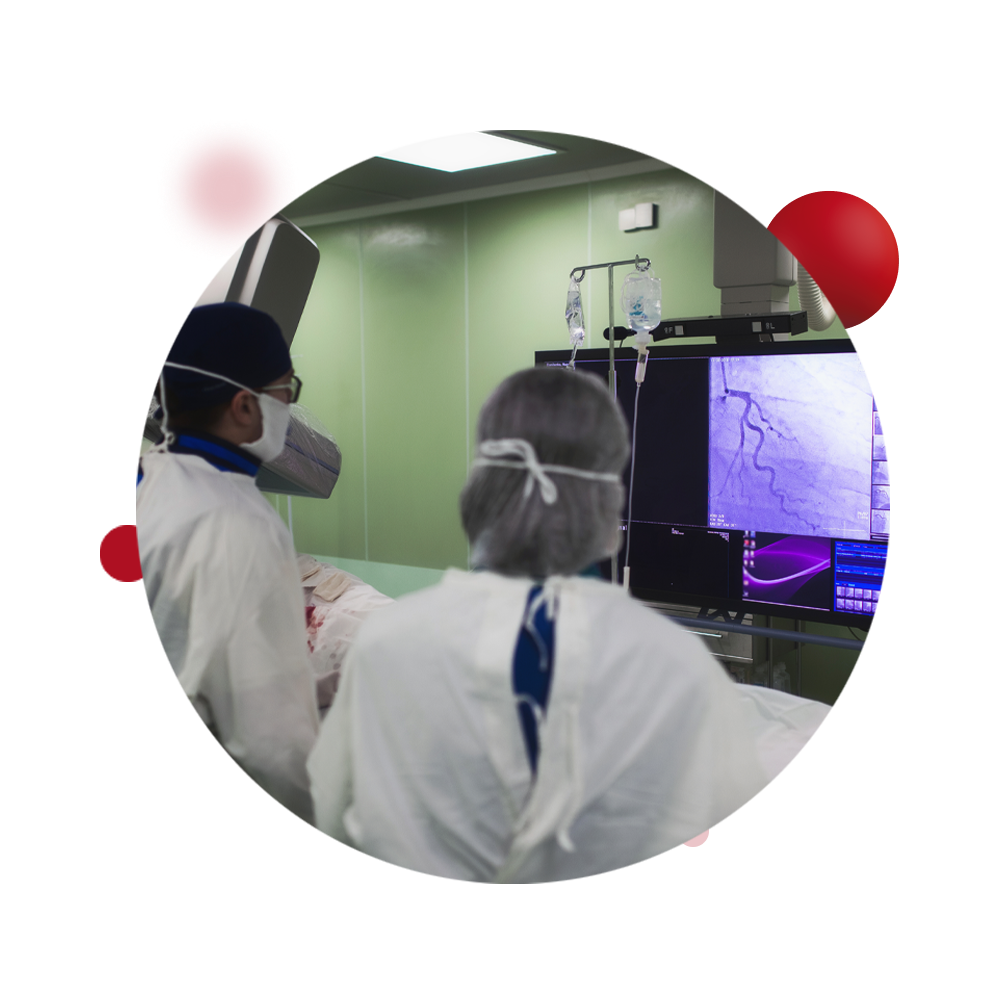
Who we are
Advancing care and research in coronary disease and coronary physiology
We’re building a collaborative space in coronary physiology and microcirculation, bringing together expertise in epicardial and microvascular coronary disease, physiology, imaging, and interventional strategies.
Through shared guidelines, consensus documents, and educational initiatives, we support excellence in patient care and lifelong learning. Our Working Group fosters collaboration and discussion, providing a welcoming forum to connect with colleagues, exchange ideas, and advance the field together. Our shared goal is to make a meaningful difference in patients’ lives every day.


Doctor Edina Cenko
Chairperson of the ESC Working Group on Coronary Pathophysiology & Microcirculation
Discover the NucleusWorking group elections 2026-2028
We are inviting active and committed volunteers to take on leadership roles for the 2026-2028 mandate. Shape the working group's direction and represent your community. The call for candidates opens on 13 April.

Stay up to date

Great science, direct to your inbox!
Sign up for free to the My ESC News.
ESC Clinical Practice Guidelines
Our guidelines support you in balancing benefits and risks when making clinical decisions
2025 Focused Update of the 2019 ESC/EAS Guidelines for the management of dyslipidaemias
This 2025 Focused Update addresses changes in recommendations for the treatment of dyslipidaemias based on new evidence published since the 2019 version, up until 31 March 2025.
2024 ESC Guidelines for the management of chronic coronary syndromes
The current guidelines for managing chronic coronary syndromes (CCS) are intended to assist in diagnosing and initiating treatment for individuals with suspected CCS, as well as in the longterm management of patients with confirmed CCS.
2023 ESC Guidelines for the management of acute coronary syndromes
The present guideline has been developed to support healthcare professionals in the diagnosis and management of patients presenting with acute coronary syndrome (ACS). For the first time, the present guideline presents recommendations for management of patients across the entire spectrum of ACS in one document.
2023 Focused Update of the 2021 ESC Guidelines for the diagnosis and treatment of acute and chronic heart failure
Since the publication of the 2021 ESC Guidelines for the diagnosis and treatment of acute and chronic heart failure, there have been several randomised controlled trials that should change patient management ahead of the next scheduled full guideline.
2021 ESC Guidelines on Cardiovascular Disease Prevention in Clinical Practice
The present guidelines have been developed to support healthcare professionals in their efforts to reduce the burden of ASCVD in both individual patients, as well as at a population level.
2018 ESC/EACTS Guidelines on Myocardial Revascularisation
These Guidelines represent the third time that the ESC and EACTS have brought together cardiologists and cardiac surgeons in a joint Task Force to review the ever-increasing body of evidence, with the mission of drafting balanced, patient-centred practice Guidelines on myocardial revascularisation.
Related activities
Resources that move our Working Group forward
Our resources on ESC 365
Discover all our resources on ESC 365 on Coronary Pathophysiology & Microcirculation.
Publications
The Working Group on Coronary Pathophysiology & Microcirculation is involved in different scientific publications.
Cardiovascular Research
Cardiovascular Research (CVR) is the international journal of the European Society of Cardiology that deals with basic and translational research across different disciplines and areas.
Not a member yet?
If you specialise in coronary pathophysiology from major arteries to microvasculature, our Working Group offers numerous benefits for you.
You can enjoy:


Get Involved
Connect, act, advance
ESC Mentoring
Your online mentoring platform for one-to-one access to global mentors and mentees!
Membership
Join our diverse, global community, united by a shared mission - to reduce the burden of cardiovascular disease.
Fellowships
Your expertise deserves recognition. The Fellow community represents the exceptional contributions and achievements made by cardiovascular health professionals.
Our dynamic community is on LinkedIn
Join our community of scientists and clinicians on our LinkedIn page to foster knowledge exchange in cellular electrophysiology.
Discover your Working Group
Your community for growth, knowledge and impact
About us
We welcome everybody who shares our interest in clinical and basic research in the field of coronary pathophysiology from the large down to the terminal vessels. Clinicians as well as basic researchers in the field of vascular biology are welcome.
Membership
Be part of a supportive community, ready to help you grow connect and make a difference in cardiovascular care.
Education and Research
Find here educational and research content on Coronary Pathohysiology and Microcirculation.
Meetings
Upcoming events and past resources
Publications
The Working Group on Coronary Pathophysiology & Microcirculation is involved in different scientific publications.
News
Read the latest message from the chairperson of the ESC Working Group on Coronary Pathophysiology & Microcirculation.