


ACNAP Young Community (YoCo) Toolkit
ACNAP YoCo Toolkit
Listen to our Young members who are contributing to developping the YoCo Toolkit
About the toolkit
The ACNAP Young Community (YoCo) was created in 2019 to support the needs of the young community of nurses and allied professionals by transferring knowledge and expertise within ACNAP and the ESC, and by helping them within the cardiovascular field, whether in a clinical, educational or research setting.
In response to members' feedback, the Committee launched the 'YoCo Toolkit' initiative in 2023, an online platform providing resources on research methods, career development, and evidence-based practice.The toolkit is regularly updated by the ACNAP YoCo Committee members and YoCo National Contacts. Hear their insights and explore the latest resources below!
Aim
The toolkit serves as a valuable resource tailored for nurses and allied professionals entering the cardiovascular field. The purpose of the toolkit is to:
- Gather key scientific content for use in research, education, clinical practice and career development.
- Organise content around key topics identified by our Young Community.
- Consolidate information into a comprehensive, all-in-one resource, making the toolkit unique.
- Be in constant evolution as it is updated on a regular basis, making it a handy evidence-based practice guide.
How to use it
Click on the blocks below and you will be redirected to a list of contents (articles, slides, videos etc...), focused on each particular topic. Most resources are sourced from our ESC 365 platform and from the ESC Journals Family. You must be a member to access certain content.
Questions
Do you have a question regarding the toolkit? Would you like to see other content or share an idea with us? Contact us at acnap@escardio.org.
Methods

Propensity weighting: how to minimise comparative bias in non-randomised studies?

Process evaluation of complex cardiovascular interventions: How to interpret the results of my trial?

Meta-analysis: How to quantify and explain heterogeneity?

Anonymize or synthesize? Privacy-preserving methods for heart failure score analytics

A guide to improve your causal inferences from observational data

Flash mob studies: a novel method to accelerate the research process

Using mixed methods in cardiovascular nursing research: Answering the why, the how, and the what’s next

Chronic illness as a ‘family disease’: The need for appropriate scientific methods for dyadic research

Overcoming the challenges of conducting research with people who have advanced heart failure and palliative care needs

Inconsistent measurement of acute coronary syndrome patients’ pre-hospital delay in research: A review of the literature

When face-to-face interviews are not possible: tips and tricks for video, telephone, online chat, and email interviews in qualitative research

Grounded theory: what makes a grounded theory study?

Can you picture it? Photo elicitation in qualitative cardiovascular health research

Now you see it! Using wearable cameras to gain insights into the lived experience of cardiovascular conditions<sup> </sup>

Designing and conducting qualitative research across countries and cultures: challenges for inclusiveness and rigour

New frontiers for qualitative textual data analysis: a multimethod statistical approach

Interviewing people on sensitive topics: challenges and strategies

Rapid reviews: the pros and cons of an accelerated review process

Justification, rationale and methodological approaches to realist reviews

A practical guide to living evidence: reducing the knowledge-to-practice gap
‘Snapshot’ cohort study design across multi-site research settings: challenges, strategies, and solutions

User Experience (UX) Design as a co-design methodology: lessons learned during the development of a web-based portal for cardiac rehabilitation
Experienced-based co-design for cardiovascular and chronic disease research

Spatial methods for measuring access to health care
Strategies for improving diversity, equity, and inclusion in cardiovascular research: a primer
Patient journey mapping: emerging methods for understanding and improving patient experiences of health systems and services
Hitting the (bio)mark part 1: selecting and measuring biomarkers in cardiovascular research
Hitting the (bio)mark Part 2: analysing, interpreting, and reporting biomarker data in cardiovascular research

Challenges and strategies for effective recruitment and retention of participants in clinical research studies

Measuring up: the significance of measurement invariance in cardiovascular research

Exploring the full potential of the electronic health record: the application of natural language processing for clinical practice
Research methods: Time to get excited!
Celebrating a quinquennium of the EJCN Methods Corner
Data Collection

Research Electronic Data Capture (REDCap): tackling data collection, management, storage, and privacy challenges

Data: the new gold.

Solutions to address low response rates in online surveys
A guide to navigating administrative data linkage for research

The science of clinical quality registries

Are digital citizen panels an innovative, deliberative approach to cardiovascular research?
Interviewing people on sensitive topics: challenges and strategies
Data Analysis
Understanding the family care dyad: A comparison of two multilevel models

Identifying subgroups: Part 1: Patterns among cross-sectional data

Identifying subgroups: Part 2: Trajectories of change over time

The role of generalized linear models in handling cost and count data

Survival analysis 101: an easy start guide to analysing time-to-event data

Using item response theory to develop and refine patient-reported outcome measures
New frontiers for qualitative textual data analysis: a multimethod statistical approach
A guide to improve your causal inferences from observational data
Publication
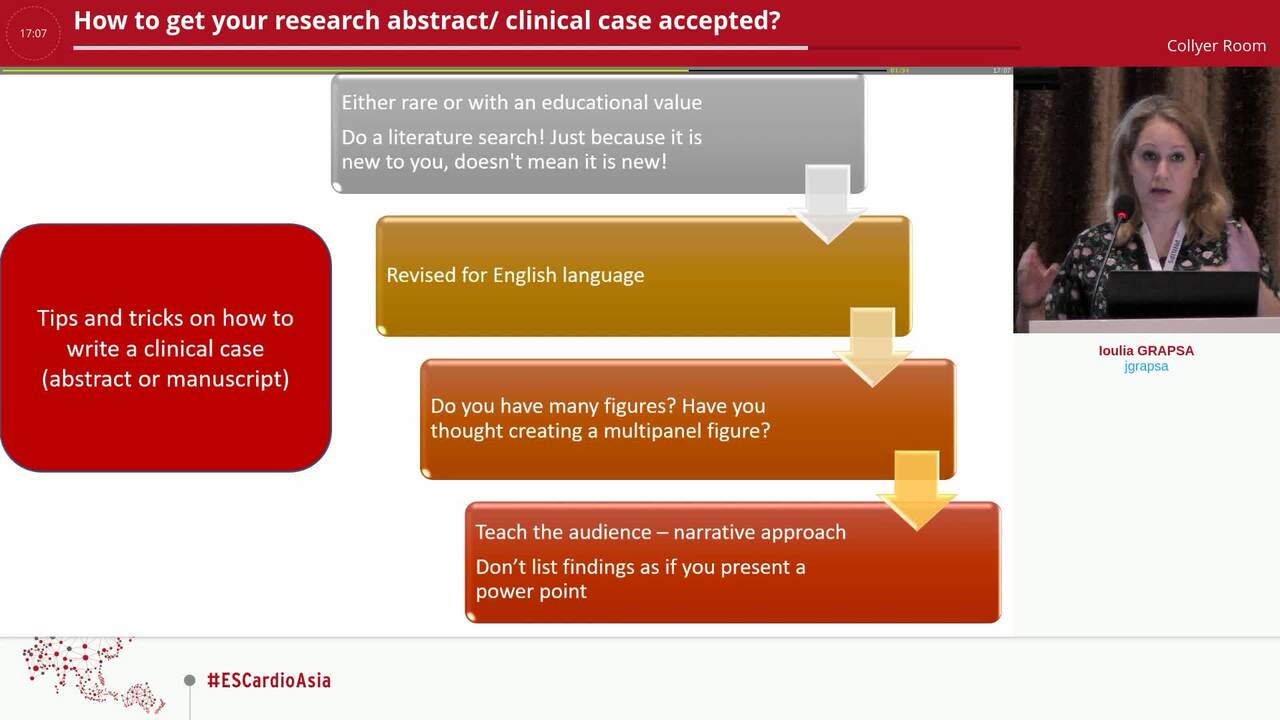
How to get your research abstract/ clinical case accepted?
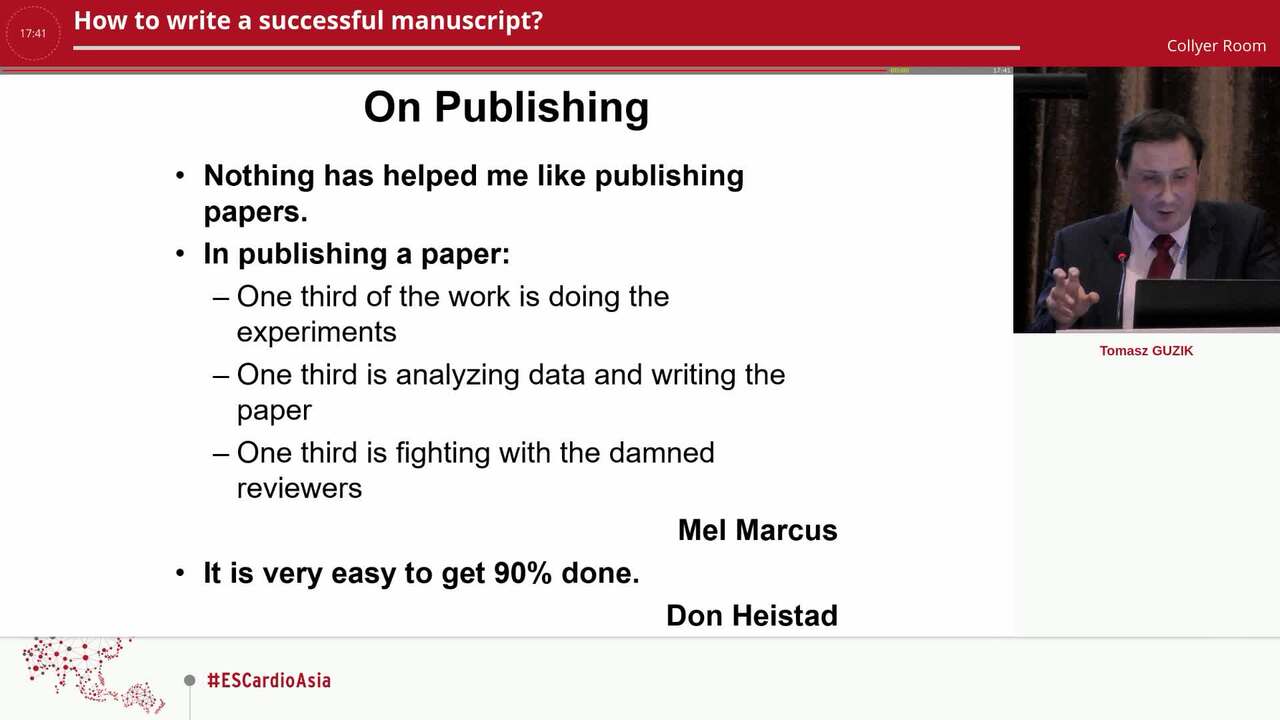
How to write a successful manuscript?

Rapid, accurate publication and dissemination of clinical trial results: benefits and challenges
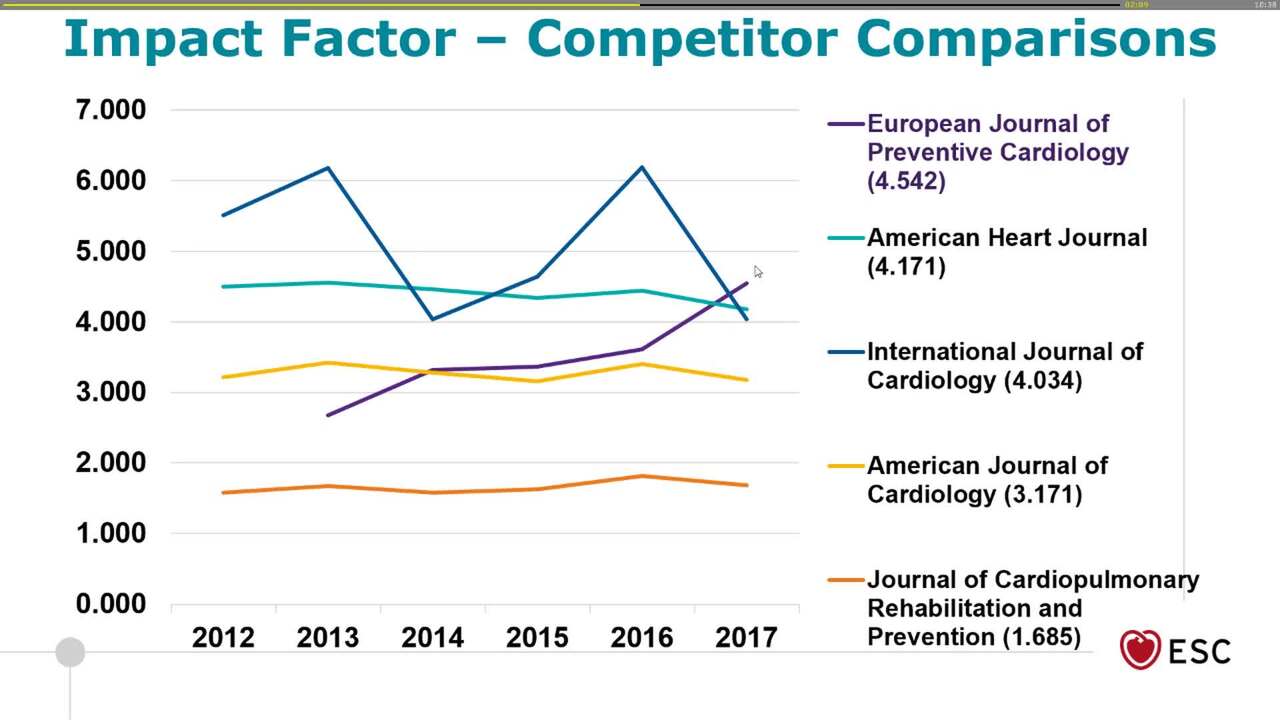
EJPC: 5 key reasons to submit your publications.
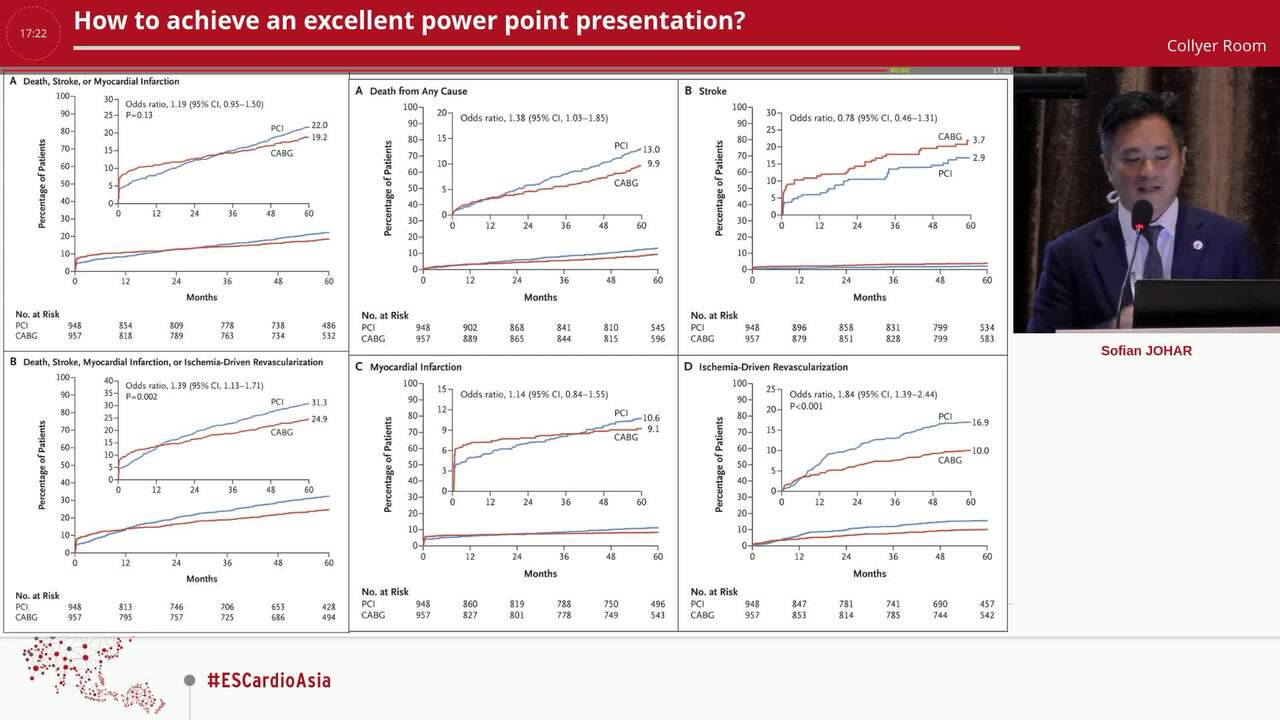
How to achieve an excellent power point presentation?
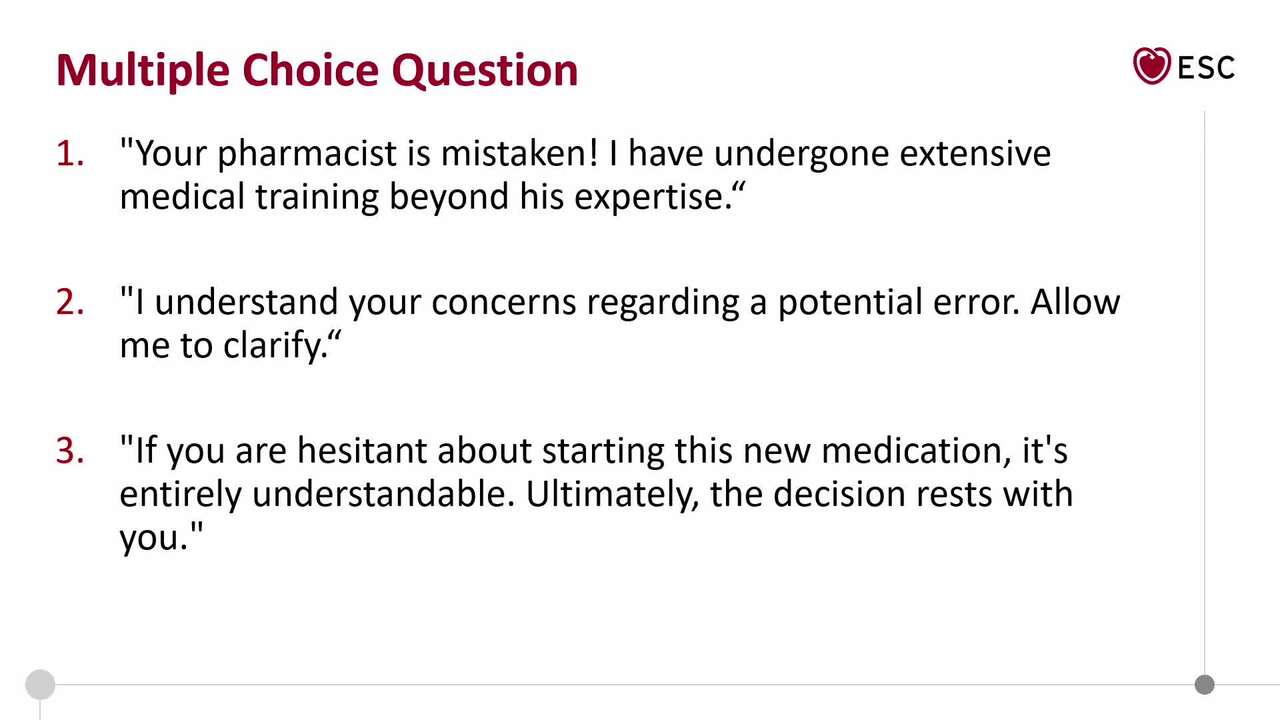
Guidance on communication skills for GPs and primary care specialists

Open Access publishing: benefits and challenges

Abstract Submission Tips & Tricks
Career Growth
ESC Nursing and Allied Professional Training grants: 10 top tips for enhancing funding success!
The X-factors of PhD supervision: ACNAP top 10 tips on choosing a PhD supervisor
Future-proofing your research career post-PhD: top tips for doctoral students
Learning from experiences: tips for PhD students

Questionable research practices, careerism, and advocacy: why we must prioritize research quality over its quantity, impact, reach, and results
From networking to knowledge sharing: cracking the code of scientific conferences

Research Partnerships and Collaboration in Cardiovascular Nursing
The Core Curriculum for Cardiovascular Nurses and Allied Professionals

A Core Curriculum for the Continuing Professional Development of Nurses Working in Cardiovascular Settings: Developed by the Education Committee of the Council on Cardiovascular Nursing and Allied Professions (CCNAP) on behalf of the European Society of Cardiology

A core curriculum for the continuing professional development of nurses: Developed by the Education Committee on behalf of the Council on Cardiovascular Nursing and Allied Professions of the ESC

The Core Curriculum for Cardiovascular Nurses and Allied Professionals: what is it and why do we need it?

2024 updated European Heart Rhythm Association core curriculum for physicians and allied professionals: a statement of the European Heart Rhythm Association of the European Society of Cardiology Syllabus, Objective Structured Assessment of Technical Skills, training assessment, and training centre/trainer/trainee requirements to guide the certification for cardiac implantable electronic devices and invasive cardiac electrophysiology

How to conduct clinical research in cardiovascular imaging: a primer for clinical cardiologists and researchers—a statement of the European Association of Cardiovascular Imaging (EACVI) of the ESC

Keeping Cardiac Nurses on the Job
Interviewing people on sensitive topics: challenges and strategies
ACNAP Statements
Competency-based cardiac imaging for patient-centred care. A statement of the European Society of Cardiology (ESC)

European Society of Cardiology quality indicators for the care and outcomes of adults undergoing transcatheter aortic valve implantation

Placing patient-reported outcomes at the centre of cardiovascular clinical practice: implications for quality of care and management A statement of the ESC Association of Cardiovascular Nursing and Allied Professions (ACNAP), the Association for Acute CardioVascular Care (ACVC), European Association of Percutaneous Cardiovascular Interventions (EAPCI), European Association of Preventive Cardiology (EAPC), Heart Failure Association (HFA), European Heart Rhythm Association (EHRA), European Association of Cardiovascular Imaging (EACVI), ESC Regulatory Affairs Committee, ESC Advocacy Committee, ESC Digital Health Committee, ESC Education Committee, and the ESC Patient Forum

Global perspectives on heart disease rehabilitation and secondary prevention: a scientific statement from the Association of Cardiovascular Nursing and Allied Professions, European Association of Preventive Cardiology, and International Council of Cardiovascular Prevention and Rehabilitation
The heart of the matter: advocacy in cardiovascular nursing and allied professions
Integrated care in cardiovascular disease: a statement of the Association of Cardiovascular Nursing and Allied Professions of the European Society of Cardiology
From new kid on the block to leading journal: a review and reflection on the first 20 years of the <em>European Journal of Cardiovascular Nursing</em>

Perceptions of injectable therapies with cardiovascular benefit: an ACNAP survey of healthcare professionals to explore facilitators and barriers
Research methods: Time to get excited!
The X-factors of PhD supervision: ACNAP top 10 tips on choosing a PhD supervisor
Sleep apnoea management in atrial fibrillation in clinical practice: key messages for health care professionals based on a joint survey by EHRA and ACNAP<sup> </sup>

The transition to adult care for patients with congenital heart disease: Nurses' experiences. A qualitative study

Transition to adult care of young people with congenital heart disease: impact of a service on knowledge and self-care skills and correlates of a successful transition

ESC working group on e-cardiology position paper: use of commercially available wearable technology for heart rate and activity tracking in primary and secondary cardiovascular prevention—in collaboration with the European Heart Rhythm Association, European Association of Preventive Cardiology, Association of Cardiovascular Nursing and Allied Professionals, Patient Forum, and the Digital Health Committee

An international e-Delphi study to identify core competencies for Italian cardiac nurses

Digital solutions to optimize guideline-directed medical therapy prescription rates in patients with heart failure: a clinical consensus statement from the ESC Working Group on e-Cardiology, the Heart Failure Association of the European Society of Cardiology, the Association of Cardiovascular Nursing & Allied Professions of the European Society of Cardiology, the ESC Digital Health Committee, the ESC Council of Cardio-Oncology, and the ESC Patient Forum

The interpretation of CHA<sub>2</sub>DS<sub>2</sub>-VASc score components in clinical practice: a joint survey by the European Heart Rhythm Association (EHRA) Scientific Initiatives Committee, the EHRA Young Electrophysiologists, the Association of Cardiovascular Nursing and Allied Professionals, and the European Society of Cardiology Council on Stroke
A Core Curriculum for the Continuing Professional Development of Nurses Working in Cardiovascular Settings: Developed by the Education Committee of the Council on Cardiovascular Nursing and Allied Professions (CCNAP) on behalf of the European Society of Cardiology
A core curriculum for the continuing professional development of nurses: Developed by the Education Committee on behalf of the Council on Cardiovascular Nursing and Allied Professions of the ESC
The Core Curriculum for Cardiovascular Nurses and Allied Professionals

Patient-reported outcome measures for atrial fibrillation: systematic review and evaluation of psychometric properties of symptom severity measures
AI & Digital Health
Applications of artificial intelligence for nursing: has a new era arrived?

Multi-modal artificial intelligence algorithm for the prediction of left atrial low-voltage areas in atrial fibrillation patient based on sinus rhythm electrocardiogram and clinical characteristics: a retrospective, multicentre study

Early discharge programme after transcatheter aortic valve implantation based on close follow-up supported by telemonitoring using artificial intelligence: the TeleTAVI study

Use of artificial intelligence to predict outcomes in mild aortic valve stenosis

Performance of Chat Generative Pre-trained Transformer-4o in the Adult Clinical Cardiology Self-Assessment Program

Artificial intelligence-enhanced electrocardiogram for arrhythmogenic right ventricular cardiomyopathy detection

Artificial intelligence–based electrocardiogram analysis improves atrial arrhythmia detection from a smartwatch electrocardiogram

Artificial Intelligence-based Electrocardiogram prediction for duration of Atrial Fibrillation

Artificial intelligence–enhanced electrocardiography analysis as a promising tool for predicting obstructive coronary artery disease in patients with stable angina

Prospects for artificial intelligence-enhanced electrocardiogram as a unified screening tool for cardiac and non-cardiac conditions: an explorative study in emergency care
Evaluation of the compliance of diet plans and nutritional advice generated by artificial intelligence with guidelines for cardiac patients
When the computer says yes, but the healthcare professional says no: artificial intelligence and possible ethical dilemmas in health services

Enhancing the interoperability and transparency of real-world data extraction in clinical research: evaluating the feasibility and impact of a ChatGLM implementation in Chinese hospital settings

Artificial intelligence–empowered treatment decision-making in patients with aortic stenosis via early detection of cardiac amyloidosis
ChatGPT: can artificial intelligence language models be of value for cardiovascular nurses and allied health professionals,
How to get the most out of ChatGPT? Tips and tricks on prompting
Transforming nursing with large language models: from concept to practice
How true is the role of large language models in nursing?
For better or for worse: when chatbots influence human emotions and behaviours
Using ChatGPT and Google Bard to improve the readability of written patient information: a proof of concept
Letters to the editor: questionable publishing practices in the ChatGPT era
Clinical use of voice measurement in patients with heart failure: study protocol
Transcribing in the digital age: qualitative research practice utilizing intelligent speech recognition technology

Performance of computerized self-reported medical history taking and HEAR score for safe early rule-out of cardiac events in acute chest pain patients: the CLEOS-CPDS prospective cohort study

Advanced electrocardiography heart age: a prognostic, explainable machine learning approach applicable to sinus and non-sinus rhythms

Validation of machine learning-based risk stratification scores for patients with acute coronary syndrome treated with percutaneous coronary intervention
Predicting early-stage coronary artery disease using machine learning and routine clinical biomarkers improved by augmented virtual data

Dynamic risk stratification of worsening heart failure using a deep learning-enabled implanted ambulatory single-lead electrocardiogram
Predictors of 30-day readmission based on machine learning in patients with heart failure: an essential assessment for precision care
Machine learning–based 30-day readmission prediction models for patients with heart failure: a systematic review
Machine-learning based scoring system to predict cardiogenic shock in acute coronary syndrome

Supervised machine learning including environmental factors to predict in-hospital outcomes in acute heart failure patients

Multimodal data integration to predict atrial fibrillation

Machine learning based prediction models for cardiovascular disease risk using electronic health records data: systematic review and meta-analysis

Machine learning approaches for risk prediction after percutaneous coronary intervention: a systematic review and meta-analysis

Deep learning algorithm for predicting left ventricular systolic dysfunction in atrial fibrillation with rapid ventricular response

Machine learning-based prediction of 1-year all-cause mortality in patients undergoing CRT implantation: validation of the SEMMELWEIS-CRT score in the European CRT Survey I dataset
Characterizing atrial fibrillation symptom improvement following de novo catheter ablation

Efficacy of an Internet of Things-based system for cardiac rehabilitation monitoring: insights from the IntellIoT pivotal trial in heart failure patients

An eHealth intervention for patients with a low socioeconomic position during their waiting period preceding cardiac rehabilitation: a randomized feasibility study
Digital solutions to optimize guideline-directed medical therapy prescription rates in patients with heart failure: a clinical consensus statement from the ESC Working Group on e-Cardiology, the Heart Failure Association of the European Society of Cardiology, the Association of Cardiovascular Nursing & Allied Professions of the European Society of Cardiology, the ESC Digital Health Committee, the ESC Council of Cardio-Oncology, and the ESC Patient Forum
Implantable cardiac monitors: the digital future of risk prediction?

Standardized assessment of evidence supporting the adoption of mobile health solutions: A Clinical Consensus Statement of the ESC Regulatory Affairs Committee Developed in collaboration with the European Heart Rhythm Association (EHRA), the Association of Cardiovascular Nursing & Allied Professions (ACNAP) of the ESC, the Heart Failure Association (HFA) of the ESC, the ESC Young Community, the ESC Working Group on e-Cardiology, the ESC Council for Cardiology Practice, the ESC Council of Cardio-Oncology, the ESC Council on Hypertension, the ESC Patient Forum, the ESC Digital Health Committee, and the European Association of Preventive Cardiology (EAPC)

Remote proctoring in complex percutaneous coronary intervention aided by mixed reality technology

Digital and technological solutions in cardiovascular nursing and perspectives for a smooth digital shift: a discussion paper

Patient activation improves with a multi-component personalized mHealth intervention in older patients at risk of cardiovascular disease: a pilot randomized controlled trial
Why and how should we conduct a thorough search for existing mobile health applications before deciding to develop one from scratch

Prioritizing what matters most in digital health research<sup> </sup>
Digital healthcare consumption: lessons about online information

Mobile/wearable digital devices for care of active cancer patients: a survey from the ESC Council of Cardio-Oncology
Cardiac symptom burden and arrhythmia recurrence drives digital health use: results from the iHEART randomized controlled trial

Mobile health and implantable cardiac devices: Patients' expectations

Understanding needs and expectations of heart failure patients and their caregivers regarding digital health - the PASSION-HF project

The use of imputation in clinical decision support systems: a cardiovascular risk management pilot vignette study among clinicians

Association between gait video information and general cardiovascular diseases: a prospective cross-sectional study
Exploring the full potential of the electronic health record: the application of natural language processing for clinical practice
Long-term effects of e-Health secondary prevention on cardiovascular health: a systematic review and meta-analysis

The effectiveness and usability of a novel mobile phone-based self-care intervention for patients with heart failure: a mixed-methods pilot study
Environmental Sustainability
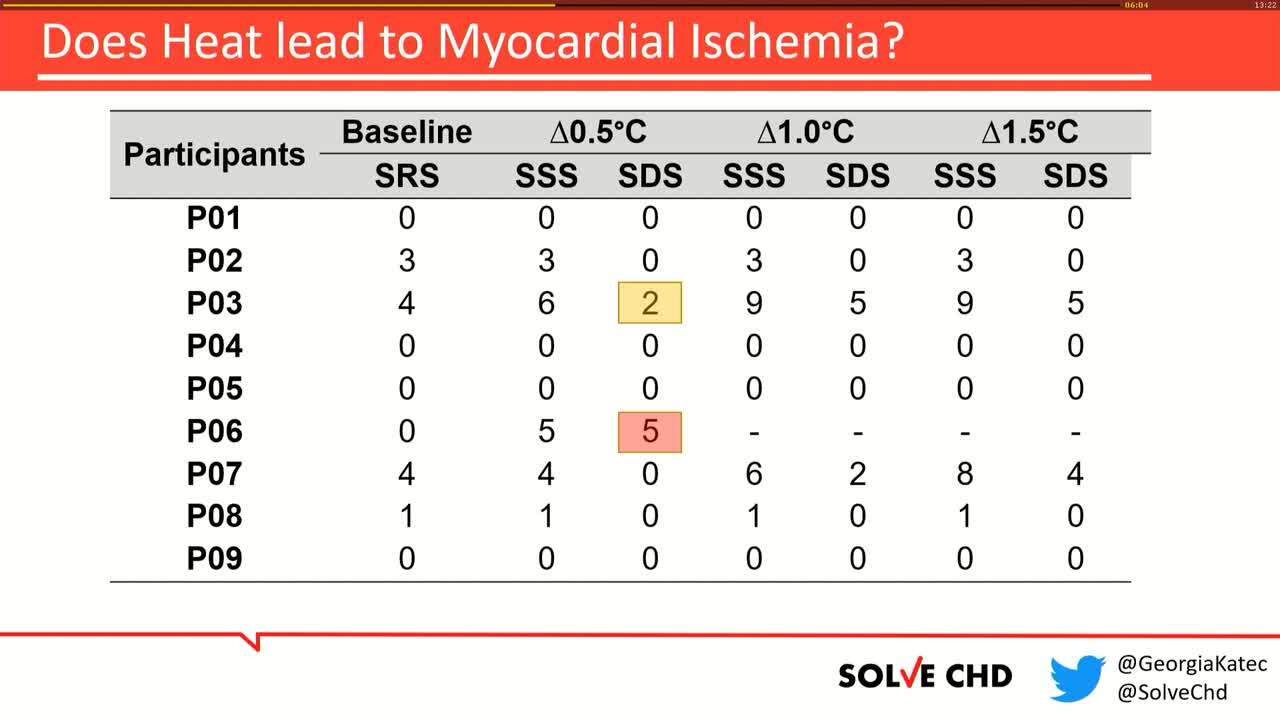
Extreme heat events and cardiovascular disease: is there a relationship and what can be done?
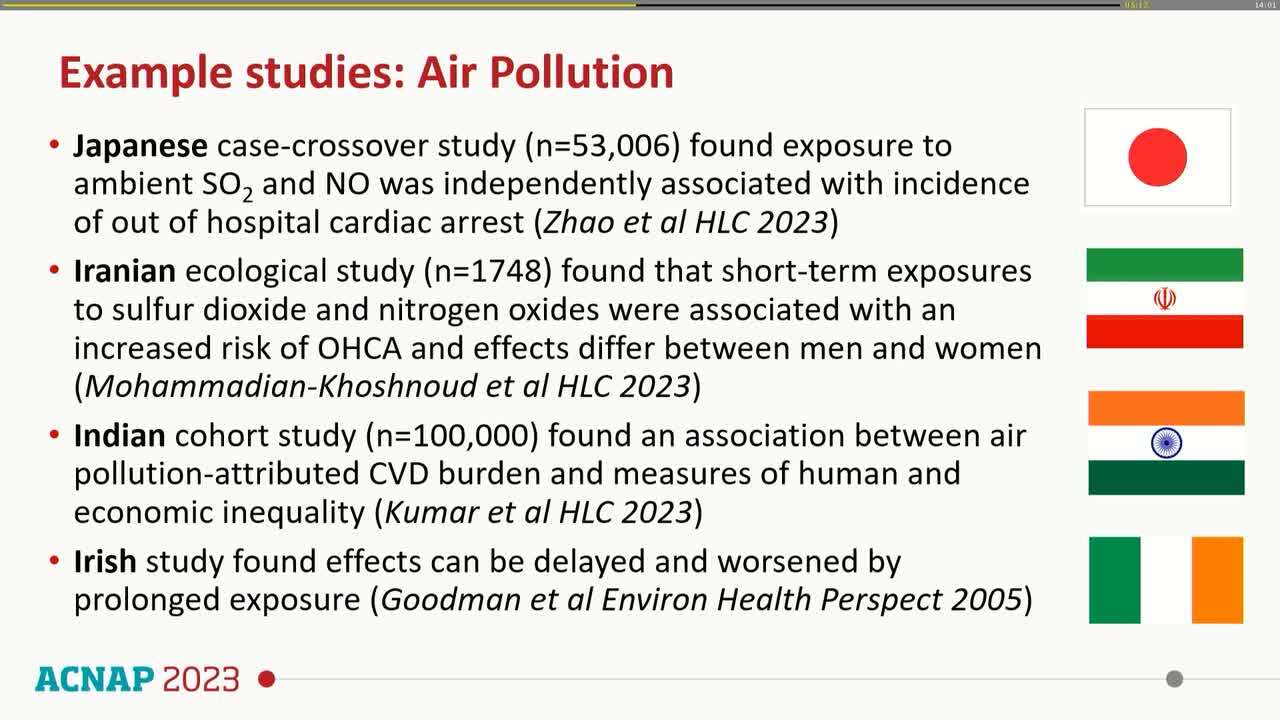
Summary of contemporary research in climate and environment as it relates to cardiovascular health

To live in the country or in town? Not an easy choice

Challenges posed by climate hazards to cardiovascular health and cardiac intensive care: implications for mitigation and adaptation
ESC TV Roundtable on Cardiology Today and Tomorrow: women driving change in cardiology
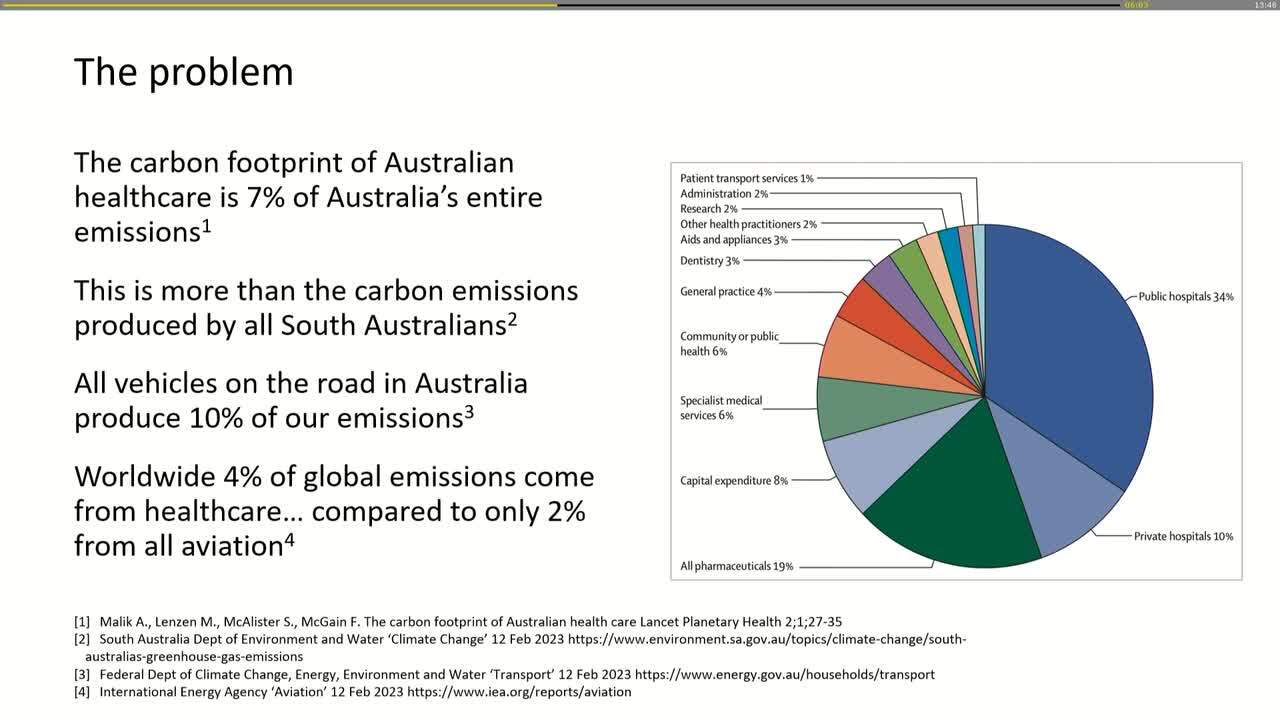
Climate change: the role of nursing and allied professionals

Time to treat the climate and nature crisis as one indivisible global health emergency <sup> </sup>

Call for emergency action to limit global temperature increases, restore biodiversity, and protect health Wealthy nations must do much more, much faster
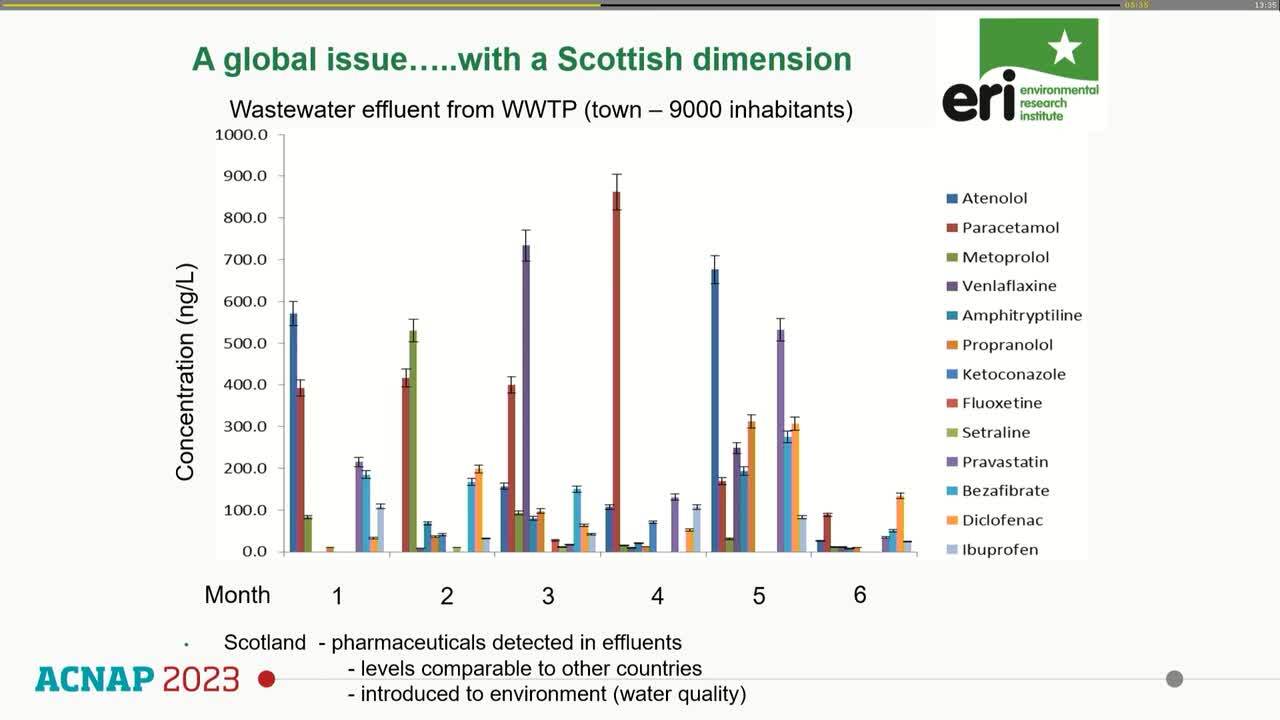
Environmental sustainability in cardiology
Twelve actions in healthcare to reduce carbon emissions

A healthy diet should consider environmental impact

Gene-environment interactions in cardiovascular disease

Climate and environmental triggers of acute myocardial infarction

Heart healthy cities: genetics loads the gun but the environment pulls the trigger

Effect of urban environment on cardiovascular health: a feasibility pilot study using machine learning to predict heart rate variability in patients with heart failure
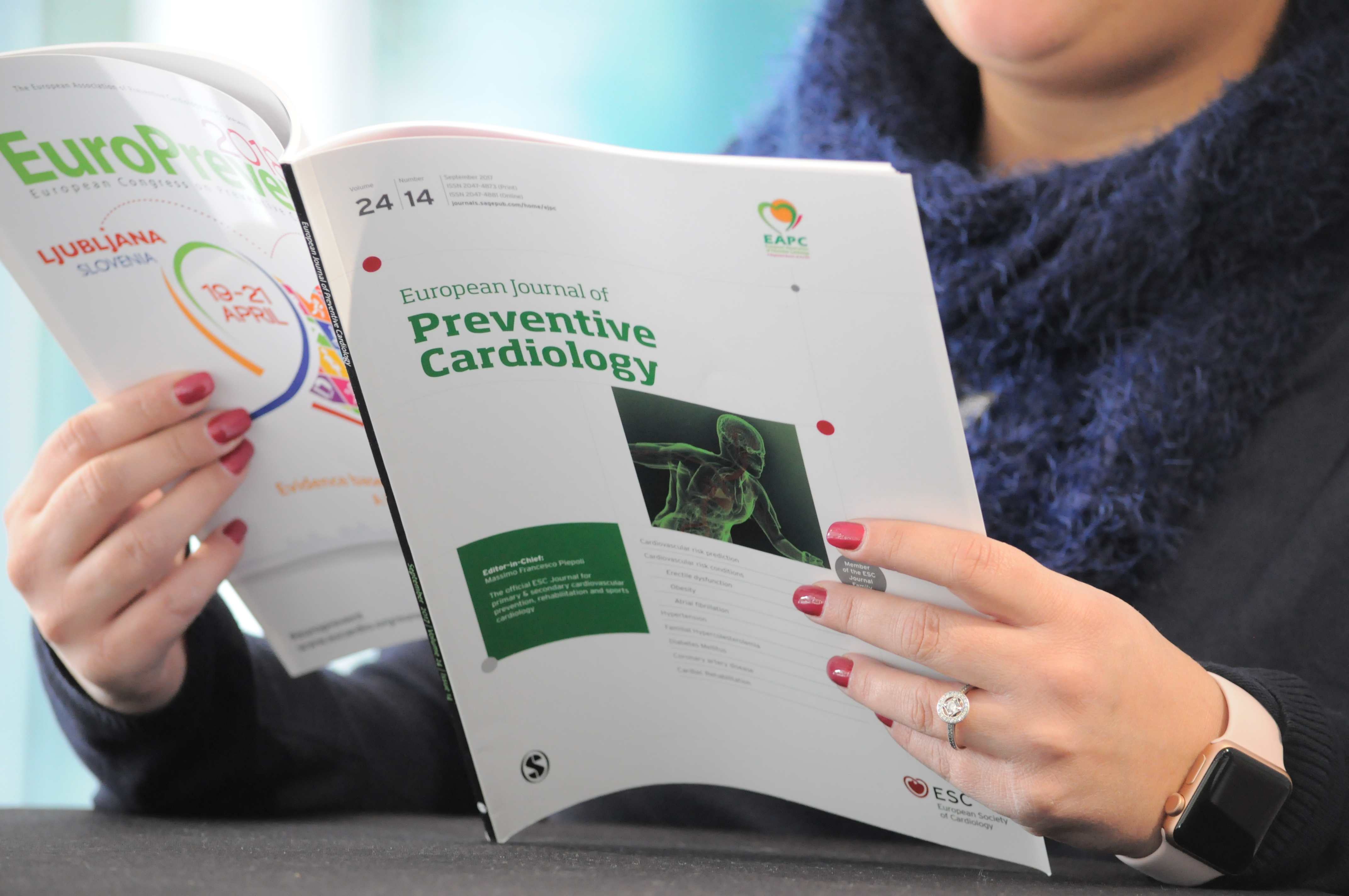
Deep Learning Analysis of Google Street View to Assess Residential Built Environment and Cardiovascular Risk in a U.S. Midwestern Retrospective Cohort

Exploring the effect of urban environment on cardiovascular health: a feasibility study using machine learning to predict heart rate variability responses to environmental attributes in CHF patients
Impact of environment and ethnicity on prognosis in AF patients: does the 'where' matter more than the 'who'?
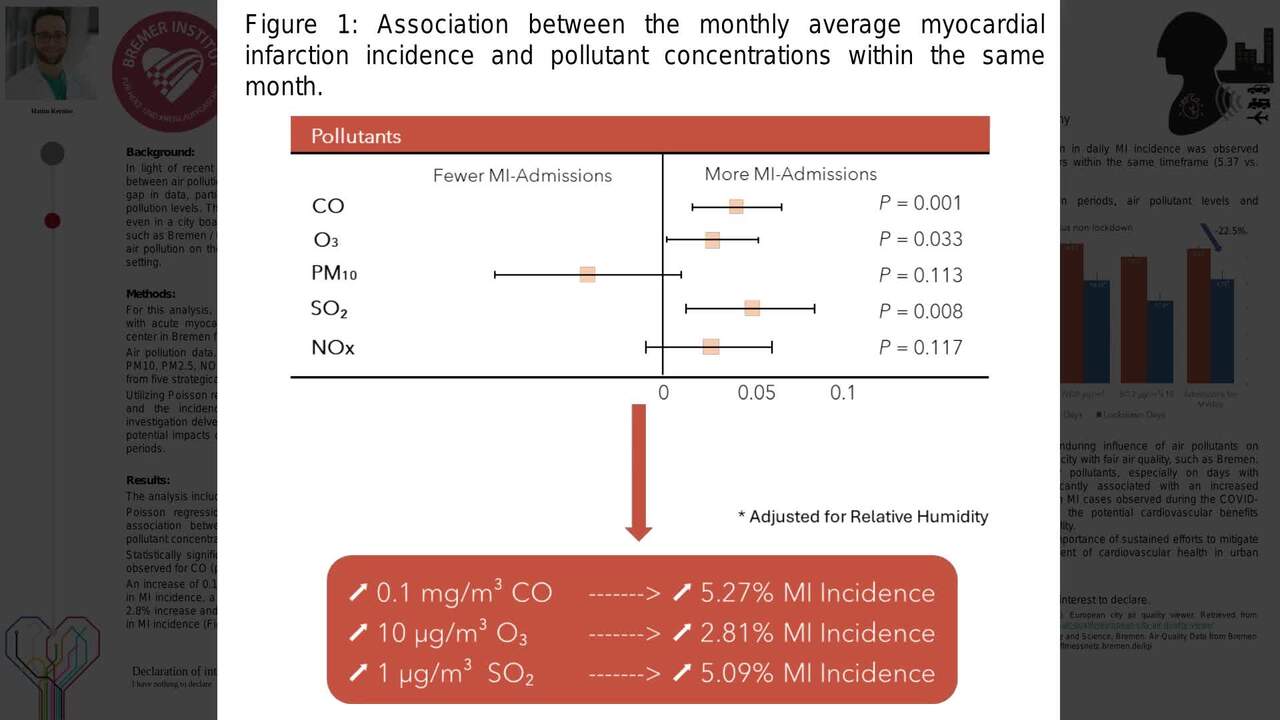
Does air pollution impact myocardial infarction incidence even in a city with fair air quality? Results from the EPIC-MI (Environmental Pollution and IncidenCe of Myocardial Infarction) Study
Air quality and the risk of acute atrial fibrillation (EP-PARTICLES study): a nationwide study in Poland
Split impact: road traffic directly strains the heart, railway noise fuels metabolic risk—the need for tailored noise control

The association between air pollution and the occurrence of atrial fibrillation (EP-PARTICLES study)
Air pollution as a trigger for ischemic stroke - retrospective analysis of over 80-million-person years of follow-up (EP-PARTICLES study)

Association between air pollutants and out-of-hospital cardiac arrest: a 5-year time series analysis

Air pollutants, genetic susceptibility, and abdominal aortic aneurysm risk: a prospective study

Impulse 1: environment and cardiovascular disease – an overview
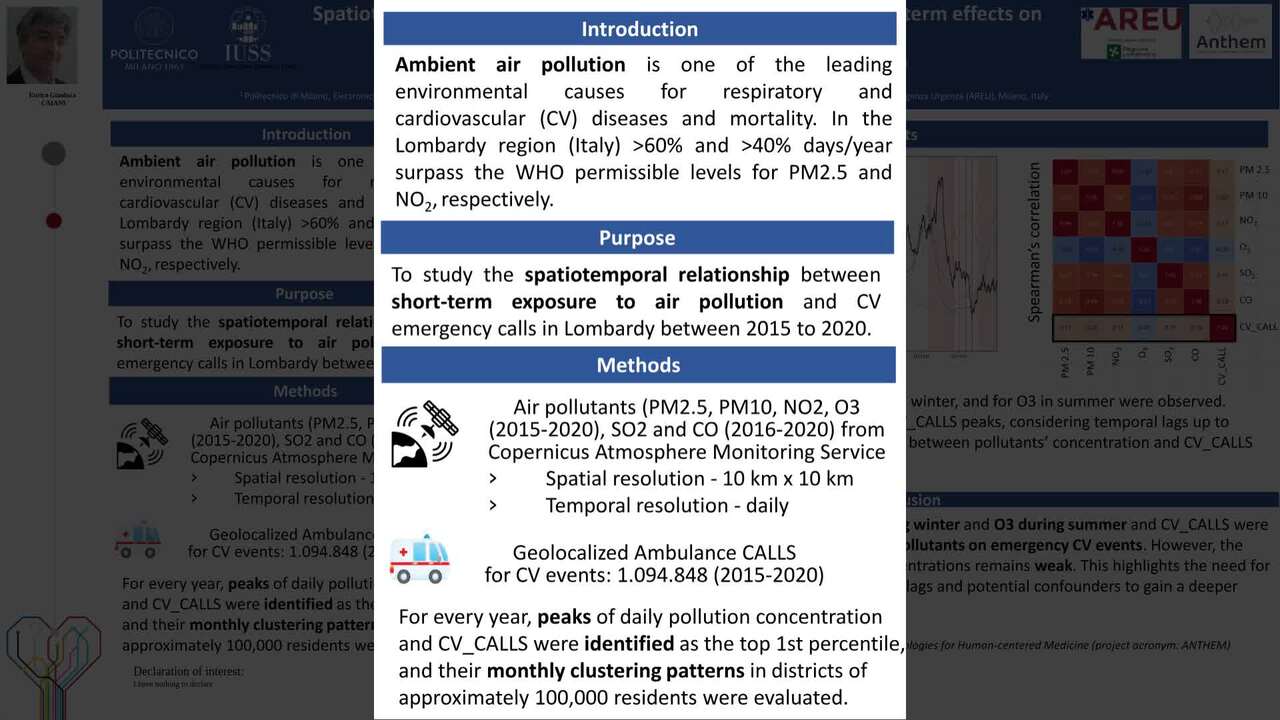
Spatiotemporal analysis of air pollution concentration and short-term effects on cardiovascular emergencies in Lombardy
Not a member yet?
Joining the Association of Cardiovascular Nursing & Allied Professions offers numerous benefits.
You can enjoy:


