ESC Fund – Basic Cardiovascular Science Course 2026
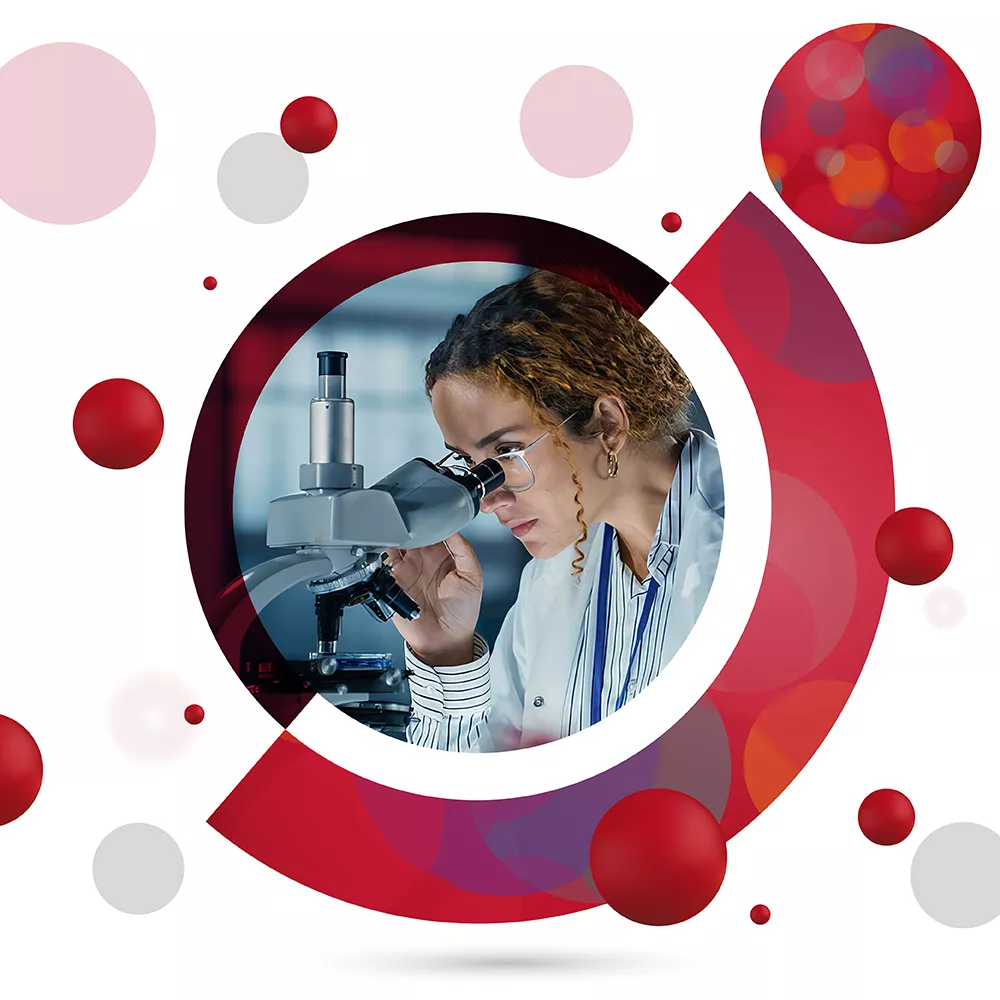
A new learning opportunity bridging basic and clinical cardiovascular science
The ESC Fund Basic Science Course has been created to encourage the discovery of science and support the next generation of cardiovascular researchers.
As the first programme backed by ESC Fund, this course is free of charge and also offers grants for travel and accommodation, ensuring fair access for early‑career scientists worldwide, including those from lower- and middle‑income regions.
Why has this course been developed?
Cardiovascular basic science is central to advancing research, bridging the gap between fundamental mechanisms and clinical practice, and improving patient care. Yet the number of trained basic scientists is declining worldwide, creating a growing challenge for future innovation.
The ESC Fund Basic Science Course responds to this need by offering an immersive, high‑quality training experience that combines core concepts with hands‑on laboratory work in leading European research centres.
What makes this course unique?
You will benefit from a fully funded participation package, covering:
- Registration costs
- A grant for travel and accommodation
- Grant support for the two-week hands on laboratory placement
The inclusive programme not only encourages, but supports, candidates, including those from low- and middle-income countries (LMICs) . You do not need to be an ESC Member to take part in this course.
Applications are now closed, and successful applicants will be announced on 1 April.
A bridge for breakthroughs: from basic to clinical
The course strengthens scientific reasoning and fosters collaboration between clinical and non-clinical researchers, essential for future cardiovascular innovation.
A world-class learning experience
The course is structured across three weeks:
- 10–14 June: One week of in-person training in Nice (France), to cover genetics, molecular biology, preclinical models, regenerative medicine, research methodology, mentoring and regulatory affairs.
- July – December: Two weeks of hands-on learning during a placement in a leading European laboratory. You will benefit from practical immersion, working on real-world cardiovascular research through supervised projects and skills development.
Who should apply?
If you are a PhD, MD or MD/PhD student, or you are a researcher who has completed your PhD, MD or MD/PHD within the past five years, this ESC Fund Basic Science Course is for you! We have places for up to 50 candidates who are:
- Early-career researchers working in basic or clinical cardiovascular science
- Clinicians seeking a deeper understanding of fundamental mechanisms
- Basic scientists aiming to engage more closely with translational research
- Other non-clinical profiles including data analysts and public health researchers
We want broad global representation in this course, so we welcome applications from across the globe. Grants are available to support all candidates.
Selection is based on merit, motivation and alignment with the course objectives.
Expected outcomes
By the end of the course, participants will have:
- Built a stronger foundation in cardiovascular science
- Aquired skills that support translational and clinical research
- Gained exposure to high-quality laboratory environments
- Expanded their professional network
- Increased career sustainability and long-term research impact
Timeline and procedure
- 16 March: Application deadline.
- 13 April: Selection results will be communicated (delayed from 1 April due to high volume of applicants).
Please submit a brief abstract with your application of about 250–300 words with the following headings:
- Background
- Working hypothesis
- Main objective
- Strategy (type of approach, main technology, innovative aspects)
- Expected results
- Optional - Preliminary results
- Scientific outlook (plausible impact of the expected results)
This programme has been made possible thanks to ESC Fund and is generously supported by the Novo Nordisk Foundation, reinforcing a shared commitment to strengthening global cardiovascular research capacity.