


Why it matters
Leading the way towards true gender equity in cardiology
Women make up over half of medical graduates in the EU – yet remain under‑represented in senior cardiology and ESC leadership roles. Our report highlights how the ESC is closing that gap through transparent governance, strong policies, and a renewed commitment to gender equity across education, research, advocacy and clinical practice. Since adopting the ESC Gender Policy in 2022, real progress has been made – and this report shows where we stand, what still needs to change, and how the ESC Gender Task Force is driving meaningful action across the cardiovascular community.


"We believe that the ESC should promote regular monitoring of women representation in leadership positions, with annual reporting. From my own experience at national level, such monitoring and benchmarking have proven effective. We should also ensure that clinical trial inclusion reflects the proportion of women affected by each condition, and that trials are designed – where possible – to provide sex and gender disaggregated data."
Professor Cecilia Marianne Linde
ESC President-Elect 2024-2026
Progress and challenges in gender equity
A clear look at gains made and gaps still to close
Gender equity across our activities
The ESC Community
Within the ESC Community, women represent nearly half of new My ESC account holders and have increased their presence across Working Groups, Associations and National Cardiac Societies. However, representation remains uneven overall, with women accounting for just 21% of ESC Fellows – pointing to persistent barriers in fellowship application and selection processes.
Research and publications
Leadership roles
Out of over 2,500 leadership roles, 33% are held by women. Although progress has been steady over the past five years, these numbers still fall short of the ESC Gender Policy's objectives, highlighting the need for continued monitoring and consistent efforts to achieve gender equity.
Education
In education, women faculty in webinars and eLearning are increasing, reinforcing the ESC’s commitment to inclusive learning. Across training, mentoring and grants, women now make up 32% of mentors and 45% of ESC Grant awardees, signalling progress in career support. Recognition is improving, with women accounting for 38% of Gold Medal recipients over the past five years.
Shared responsibility
Everyone has a part to play in building an equitable ESC
Looking ahead, the ESC’s commitment to gender equity is underpinned by shared responsibility across the entire community. Driven by the ESC Gender Policy and supported by the leadership of the ESC Gender Task Force, efforts continue to embed fairness, transparency and inclusiveness across all ESC activities. This includes strengthening implementation of the Gender Policy, fostering professional networks, increasing visibility and opportunities for women in cardiovascular science, and providing training to support progression into leadership roles. Aligned with broader European priorities to close the gender gap in cardiovascular health, these collective efforts help ensure equity is not only a value, but a standard that strengthens the whole ESC community.
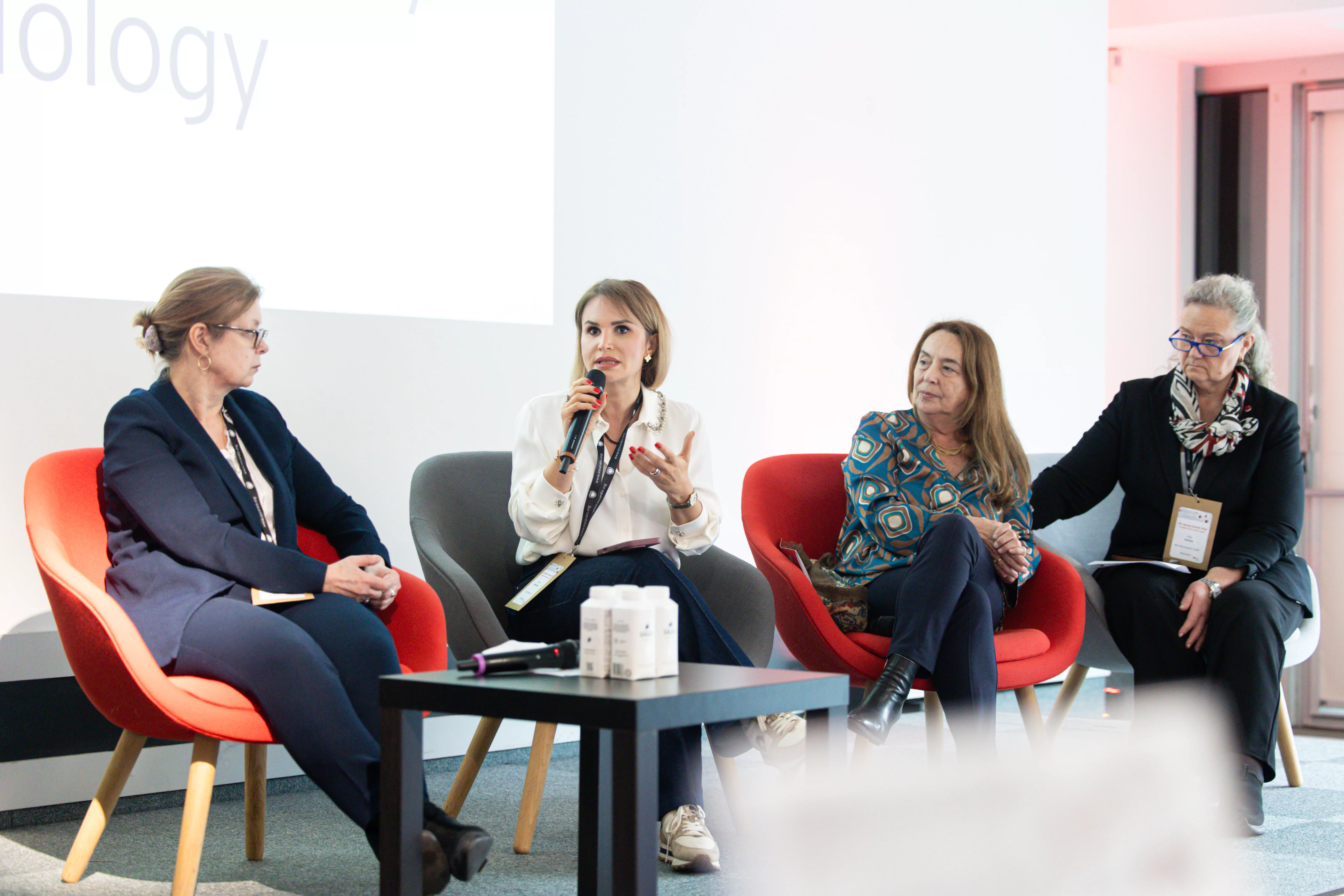

"This report shows solid, measurable progress in our congresses: we are proud of this trajectory and will keep pushing, because maintaing scientific and clinical excellence in faculty selection and achieving fair representation are not competing goals. Beyond whom is on stage, congresses also serve as an important platform to raise awareness on sex- and gender-relevant cardiovascular science and clinical practice."
Professor Tomasz Guzik
ESC Congress Programme Committee Chairperson 2024-2026