


Our Social Responsibility
Driving equity, sustainability and ethical leadership

Advancing cardiovascular health means more than science
Stand for values that matter
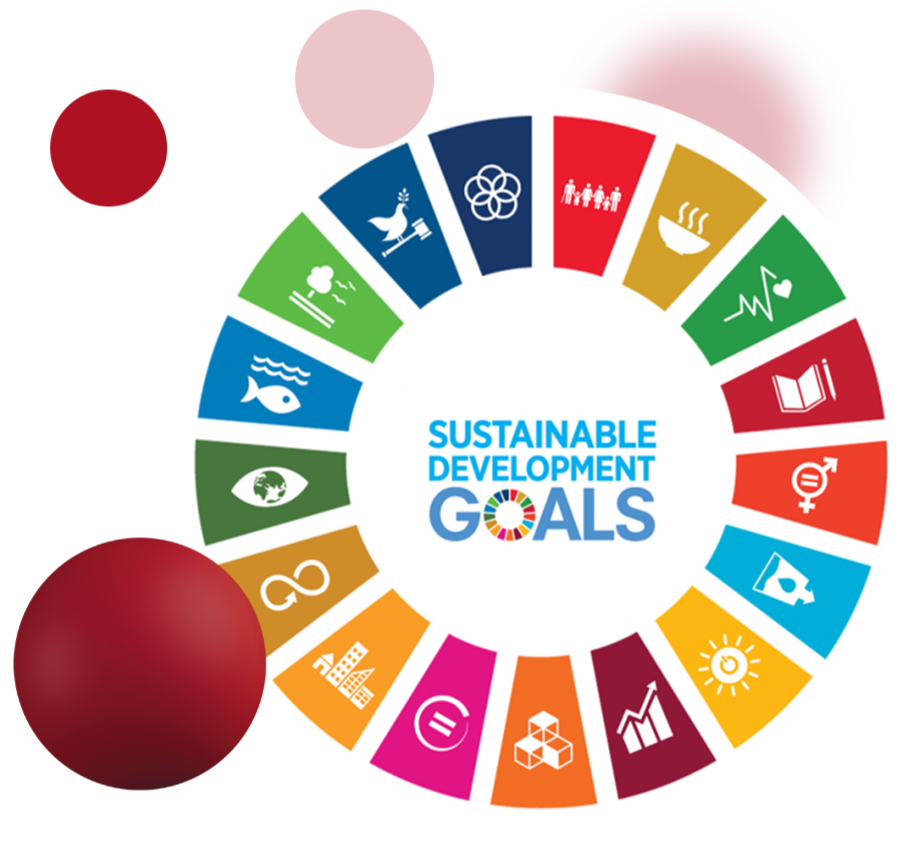
We are committed to meaningful action by supporting underrepresented regions, expanding access to education, reducing our impact on the environment and embedding ethical leadership across everything we do.
These commitments reflect not only the ESC’s mission but the wider global health and sustainability goals expressed through the United Nations Sustainable Development Goals (SDGs). Many of our activities contribute directly to key goals, including:
- Good Health and Well-being
- Quality Education
- Reduced Inequalities
- Climate Action
- Partnerships for the Goals

“Serving science is of course offering hope and solutions to patients with cardiovascular diseases. But it’s also standing for some important values.
We believe in curiosity, humility, collaboration and determination. This is what science teaches us.”
Mr Jean-Francois Riffaud
ESC Chief Executive Officer
Our key pillars of social responsibility
Towards a sustainable future, together
The health of people and the health of the planet are inseparable.
Air pollution, rising temperatures and environmental stressors are major drivers of cardiovascular disease.
Through the ESC Task Force on Environmental Sustainability, cardiologists, public health experts and environmental scientists work side by side to generate evidence, share insights and raise global awareness.
At the same time, we are reducing the environmental footprint of our own operations — lowering emissions at congresses, promoting greener travel and embedding eco-friendly practices throughout the ESC community.

Gender, Diversity & Inclusion
Cardiology thrives when every voice is heard

The ESC is dedicated to creating opportunities for all, regardless of gender, background or geography. We are implementing inclusive policies and fair practices across our organisation, guided by our Gender Policy and the work of the ESC Gender Task Force.
This task force tackles systemic challenges, from the under-research of cardiovascular disease in women to the lack of female representation in leadership and clinical trials. By raising awareness, promoting women’s leadership and collaborating with initiatives such as Women as One, we aim to bring visibility and opportunities to underrepresented talent.
Ethical Leadership & Workplace Culture
Integrity in everything we do
High ethical standards, openness and accountability guide our science, our governance and how we work together.
Task Forces focusing on sustainability, gender and underrepresented regions ensure that values translate into concrete action.
Inside the organisation, we foster a respectful, inclusive culture that prioritises staff and volunteer well-being so that everyone can thrive while contributing to our shared mission.

Bridging Gaps in Global Heart Health
No community should be left behind

Cardiovascular disease affects us all, yet access to care and knowledge remains uneven. The ESC is committed to closing these gaps through:
- Evidence gathering: Collecting real-world data to highlight inequalities and inform policy.
- Guideline adaptations: Tailoring ESC guidelines and tools (e.g. SCORE2 risk calculator) for non-European regions including Latin America and Asia.
- Accessible resources: Offering online education, mentoring, congress access, translations and free digital tools such as ESC Chat (AI-based, built on ESC Guidelines) and ESC TV Today.
- Financial support: Providing grants, free registrations, and inclusive congress sessions for professionals from low- and middle-income countries.
- Talent development: Investing in training, mentoring and career opportunities for health professionals in underserved regions. Together, these efforts bring us closer to a future where progress in cardiovascular health is shared by all.